CM Rekha Gupta Hails Amdavad 2030 Commonwealth Games Bid

Synopsis
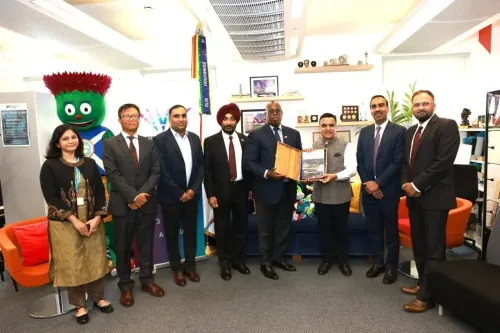
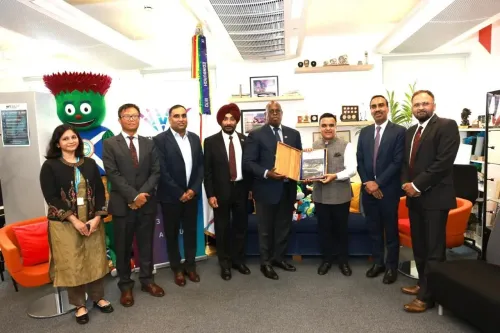
Delhi Chief Minister Rekha Gupta on 3 August 2026 announced the start of India's push to host the 2030 Commonwealth Games in Amdavad (Ahmedabad), framing the bid in civilisational terms and launching the #Amdavad2030 campaign.
Key Takeaways
Delhi CM Rekha Gupta publicly backed India's bid to host the 2030 Commonwealth Games in Amdavad on 3 August 2026 .
The post launched the hashtag #Amdavad2030 , signalling an early public-momentum campaign around the bid.
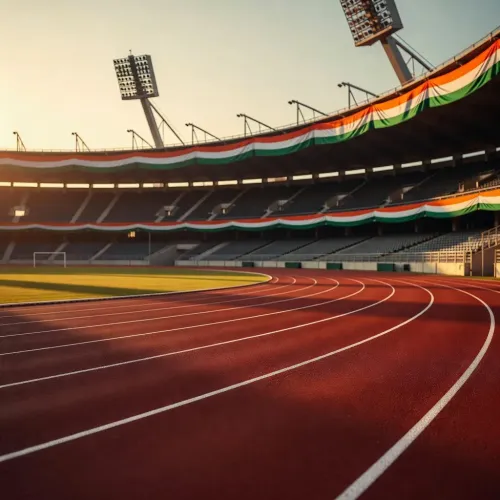
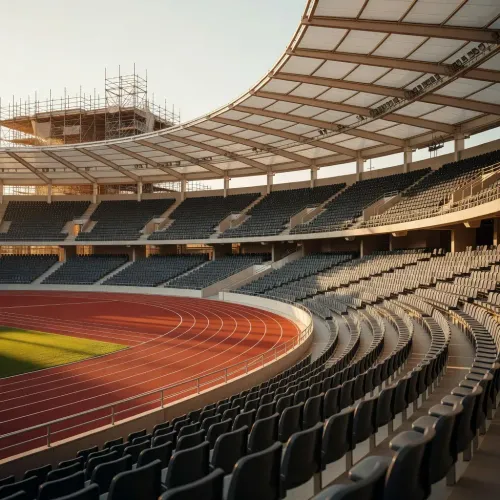
Amdavad (Ahmedabad), Gujarat's largest city, is India's proposed venue — home to world-class sporting infrastructure including the world's largest cricket stadium.
India last hosted the Commonwealth Games in Delhi in 2010 , establishing national delivery capacity for the event.
The Commonwealth Games Federation has not yet formally confirmed a host city for 2030; the bid remains in progress.
The bid fits India's broader pattern of leveraging major international sporting events as instruments of soft power and global visibility.
A civilisation that once welcomed traders, scholars, and conquerors to its shores is now preparing to welcome the world's athletes. Delhi Chief Minister Rekha Gupta on Monday, 3 August 2026, marked what she called the beginning of a new chapter in Indian sporting history — the journey toward hosting the 2030 Commonwealth Games in Amdavad.
Posting on X, CM Gupta framed the moment in sweeping civilisational terms: 'The Commonwealth's next destination is Bharat. A civilisation that has welcomed the world for millennia now prepares to host it once again. The journey to Amdavad 2030 begins.' The hashtag #Amdavad2030 signals an early push to build public momentum around the bid.
Amdavad's Case for the Global Stage
Amdavad — the local name for Ahmedabad, Gujarat's largest city — has emerged as India's preferred venue for the 2030 edition of the quadrennial multi-sport event that draws athletes from across the Commonwealth of Nations. The city has invested heavily in world-class sporting infrastructure in recent years, making it a natural candidate for an event of this scale.
India's last turn as Commonwealth Games host came in 2010, when Delhi staged the Games — an event that, despite pre-tournament controversy over infrastructure delays, ultimately delivered a successful competition. That precedent matters: it demonstrates India's capacity to absorb and execute a project of this magnitude at the national level.
India's Soft-Power Playbook and What Amdavad 2030 Represents
Hosting major international sporting events has become a deliberate strand of India's soft-power strategy. The pattern is consistent: leverage state-level venues with modern infrastructure — stadiums, transport links, athlete villages — to project both domestic ambition and global readiness. Ahmedabad, home to the Narendra Modi Stadium, the world's largest cricket ground, already carries that kind of symbolic weight.
A successful Commonwealth Games bid would also give Gujarat a global platform of a kind it has not hosted before at this scale, reinforcing the state's positioning as a hub for investment and international events. For Indian athletes, the prospect of a home Games is significant — the home-crowd advantage and familiar conditions historically translate into stronger medal hauls.
The Commonwealth Games Federation has yet to make a formal host-city announcement for 2030, and the official confirmation status of any bid remains pending. But the political signal from CM Gupta's post is clear: India is in the race, and it wants the world to know.
Sixteen years after Delhi, Amdavad may be where Bharat writes its next chapter on the Commonwealth stage.
Point of View
A register increasingly common in BJP political communication. If the bid succeeds, it would hand the ruling party a tangible soft-power dividend ahead of the 2029 general election cycle. The open question is whether the Commonwealth Games Federation's host-city process will move at the pace India's political calendar demands.
NationPress
17 Sept 2026
Frequently Asked Questions
Is India confirmed as the host of the 2030 Commonwealth Games?
As of August 2026, India's bid to host the 2030 Commonwealth Games in Amdavad (Ahmedabad) has not been officially confirmed by the Commonwealth Games Federation. Political leaders including Delhi CM Rekha Gupta have publicly backed the bid, but formal host-city selection is pending.
Where will the 2030 Commonwealth Games be held in India?
Amdavad — the local name for Ahmedabad, Gujarat's largest city — is India's proposed venue for the 2030 Commonwealth Games. The city has significant sporting infrastructure, including the world's largest cricket stadium.
When did India last host the Commonwealth Games?
India last hosted the Commonwealth Games in 2010, when Delhi staged the event. Despite pre-tournament controversy, the Games were considered a successful delivery and established India's capacity to host multi-sport events of this scale.
What did Delhi CM Rekha Gupta say about Amdavad 2030?
CM Rekha Gupta posted on X on 3 August 2026 that 'The Commonwealth's next destination is Bharat,' framing India's bid in civilisational terms and declaring that 'the journey to Amdavad 2030 begins,' launching the hashtag #Amdavad2030.
Why does India want to host the 2030 Commonwealth Games?
Hosting major international sporting events is a core strand of India's soft-power strategy, projecting infrastructure readiness and global ambition. A home Games also benefits Indian athletes with familiar conditions and home-crowd support, historically boosting medal tallies.