CM Rekha Gupta Echoes Modi on Surgical Strikes via Mann Ki Baat
Synopsis
Delhi Chief Minister Rekha Gupta shared PM Narendra Modi's Mann Ki Baat quote on 27 September 2026, calling the 2016 Surgical Strikes India's decisive response to the prolonged pain caused by cross-border terrorist attacks, invoking the operation's anniversary in national security discourse.
Key Takeaways
Delhi CM Rekha Gupta posted PM Narendra Modi 's words from Mann Ki Baat on 27 September 2026 , framing the Surgical Strikes as India's 'decisive response' to cross-border terrorism.
The 2016 Surgical Strikes were authorised after a 18 September 2016 terrorist attack on the Uri Army base killed 19 Indian soldiers .
The strikes targeted terrorist launch pads in Pakistan-occupied Kashmir across the Line of Control.
PM Modi's monthly radio programme Mann Ki Baat has repeatedly used the Surgical Strikes as a reference point for India's evolving counter-terrorism posture.
CM Gupta's amplification of the quote signals BJP 's continued use of the operation as a touchstone of national security messaging.
Ten years on, the 2016 Surgical Strikes remain a live wire in India's national security conversation — and Delhi Chief Minister Rekha Gupta kept that current flowing on Sunday, 27 September 2026, sharing Prime Minister Narendra Modi's words on the operation that redrew India's counter-terrorism doctrine.
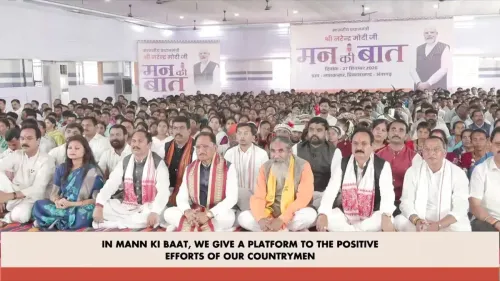
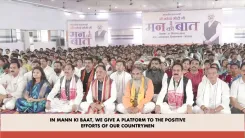
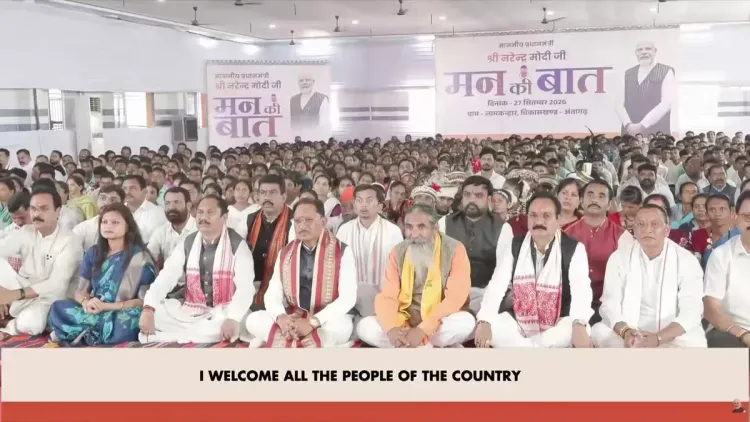
Quoting PM Modi from Mann Ki Baat — his monthly radio address to the nation — CM Gupta posted: 'Aatankwadi hamlon ke kaaran Bharat ne lambe samay tak, jo dard jhela tha, 'Surgical Strike' us kasht ke khilaf hamaari nirnayak pratikriya thi.' In English: 'The 'Surgical Strike' was our decisive response to the prolonged pain India had endured because of terrorist attacks.'
The September 2016 Uri Attack and What Followed
The remark traces directly to one of modern India's most consequential security decisions. On 18 September 2016, a terrorist attack on the Indian Army brigade headquarters in Uri, Jammu and Kashmir, killed 19 soldiers — the deadliest attack on Indian forces in decades. Public and political pressure for a firm response was immediate and intense.
Within days, the government authorised cross-Line-of-Control raids on terrorist launch pads in Pakistan-occupied Kashmir. The Indian Army publicly announced the operation — a significant departure from the policy of strategic silence that had governed past covert actions. That announcement itself sent a message: India's threshold for absorbing cross-border terror had shifted.
Mann Ki Baat as a National Security Megaphone
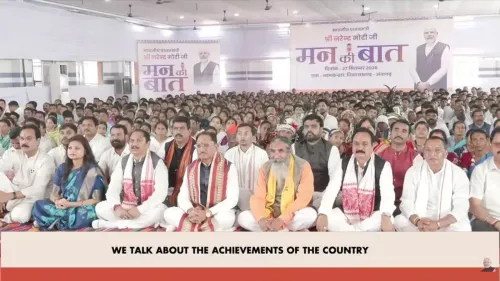
PM Modi's Mann Ki Baat programme, broadcast monthly on All India Radio, has consistently served as a platform to frame national security moments for a mass, non-specialist audience. Invoking the Surgical Strikes within that format is deliberate: it places a military decision inside a civic conversation, connecting the soldier's sacrifice to the kitchen-table listener.
By amplifying this specific quote on a date that carries symbolic weight — 27 September falls in the same calendar window as the original 2016 operation — CM Gupta's post signals that the Surgical Strikes are not merely history but active political vocabulary for the BJP. The framing — 'decisive response to prolonged pain' — positions the operation as both a corrective and a warning: tolerance of cross-border terror has limits, and those limits have teeth.
Why the Message Still Resonates in 2026
Counter-terrorism posture remains one of the few issues that commands genuine cross-party public support in India. Each anniversary cycle reactivates the debate: Was the 2016 strike a turning point, or a template? Successive Mann Ki Baat references suggest the government continues to treat it as both. For CM Gupta, sharing the quote on the occasion is also a reminder that Delhi's BJP leadership is aligned with the Centre's security narrative — a quiet but clear demonstration of ideological continuity.
The soldiers of Uri and the officers of the Special Forces who carried out those strikes in the dark did not get to choose the political echo their mission would generate. But ten years on, that echo is still very much part of how India talks about what it will and will not tolerate at its borders.
Point of View
CM Rekha Gupta is participating in a broader BJP effort to institutionalise the 2016 Surgical Strikes as a foundational moment in India's security doctrine, not merely a one-off military action. The annual re-surfacing of this messaging around the Uri–Surgical Strike calendar window reflects a deliberate strategy: to keep proactive counter-terrorism central to the party's governance identity. It also reinforces vertical alignment between the Delhi government and the Centre on security narratives, which matters politically in a city-state where law-and-order and national security optics carry significant electoral weight.
NationPress
27 Sept 2026
Frequently Asked Questions
What were the 2016 Surgical Strikes?
The 2016 Surgical Strikes were a covert Indian Army operation launched in late September 2016, targeting terrorist launch pads across the Line of Control in Pakistan-occupied Kashmir. They were authorised in response to the Uri attack of 18 September 2016, which killed 19 Indian soldiers.
What is Mann Ki Baat?
Mann Ki Baat is PM Narendra Modi's monthly radio address broadcast on All India Radio, in which he speaks directly to citizens on policy achievements, social issues, and national moments — including recurring references to the Surgical Strikes.
Why did Delhi CM Rekha Gupta post about the Surgical Strikes?
CM Rekha Gupta shared PM Modi's quote from Mann Ki Baat on 27 September 2026, a date that falls within the anniversary window of the 2016 Uri attack and subsequent strikes, using the post to reinforce the BJP's national security narrative.
What was the Uri attack?
The Uri attack took place on 18 September 2016 , when terrorists struck the Indian Army's brigade headquarters in Uri, Jammu and Kashmir, killing 19 soldiers . It was one of the deadliest attacks on Indian forces in decades and directly prompted the Surgical Strikes.
Has PM Modi spoken about Surgical Strikes on Mann Ki Baat before?
Yes. PM Modi has referenced the 2016 Surgical Strikes in multiple Mann Ki Baat episodes over the years, consistently framing the operation as evidence of India's shift toward a proactive counter-terrorism posture.