CM Rekha Gupta resolves 36 Delhi families' power wait via Jan Sunwai
Synopsis
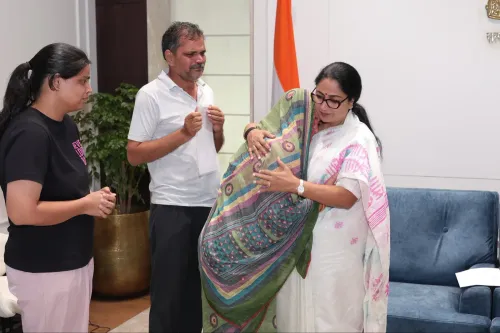
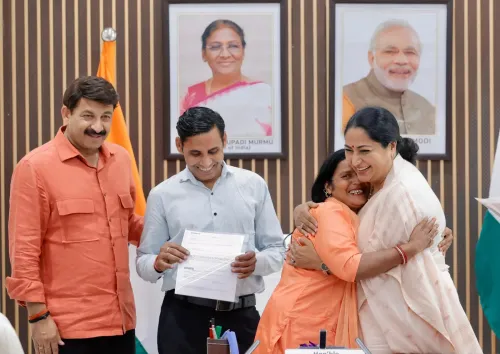
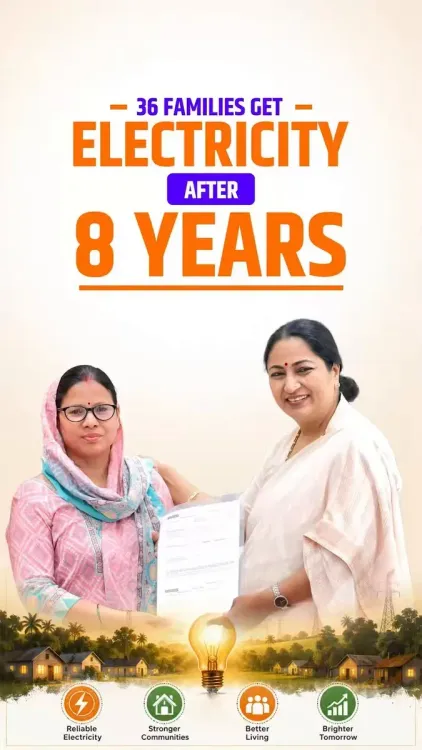
Delhi Chief Minister Rekha Gupta announced that 36 families waiting since 2018 for electricity connections have finally been connected to the grid after their cases were taken up through the CM Jan Sunwai public grievance forum, citing the outcome as an example of seva and sushasan.
Key Takeaways
36 Delhi families received electricity connections after an eight-year wait dating to 2018 .
The resolution came through the CM Jan Sunwai , a public grievance forum allowing direct citizen appeals to the Chief Minister.
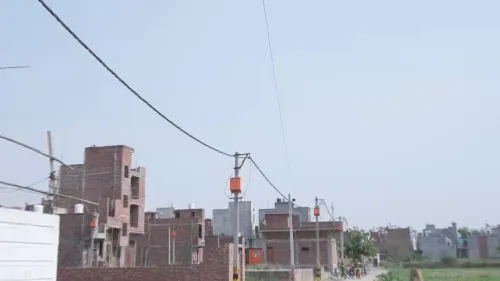
Long-pending connection backlogs are common in Delhi's unauthorised and regularised colonies where standard utility processes have gaps.
Chief Minister Rekha Gupta framed the outcome as reflecting the government's commitment to seva and sushasan (service and good governance).
Further Jan Sunwai sittings and discom quarterly reports will indicate how many more pre- 2020 pending applications are cleared.
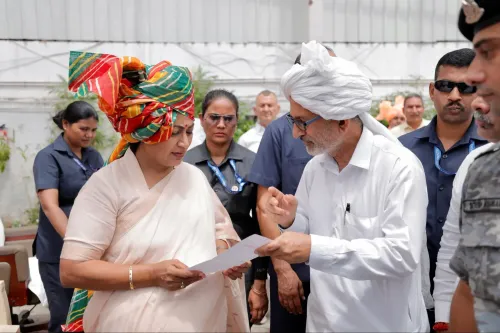
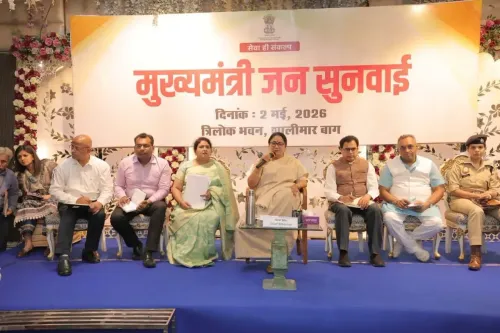
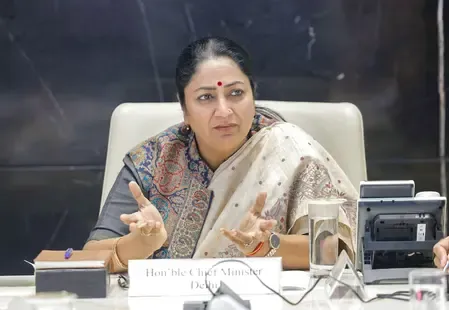
Delhi Chief Minister Rekha Gupta announced on Sunday, 25 May 2026 that 36 Delhi families who had been waiting for electricity connections since 2018 have finally received them through the CM Jan Sunwai, a public grievance redressal forum that allows citizens to bring pending civic issues directly before the Chief Minister.
Context
In her post on X, Rekha Gupta wrote that 'the wait of 36 Delhi families for an electricity connection since 2018 has finally ended through the CM Jan Sunwai,' adding that 'the sense of dignity and relief on their faces reflects the true spirit of seva and sushasan.' The families had gone without a formal electricity connection for over eight years, a period spanning multiple administrations in the capital.
Long-pending electricity connection requests of this nature are common in Delhi's unauthorised colonies and resettlement areas, where regularisation notifications — many issued after 2015–2018 — created a backlog of households that fell outside routine utility processes.
Policy Backdrop
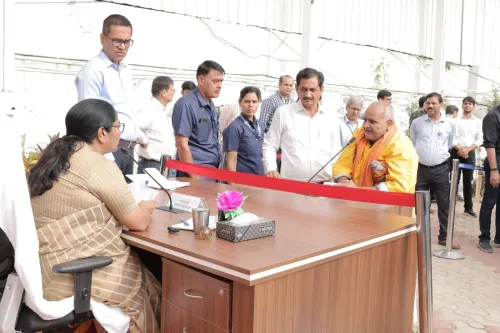
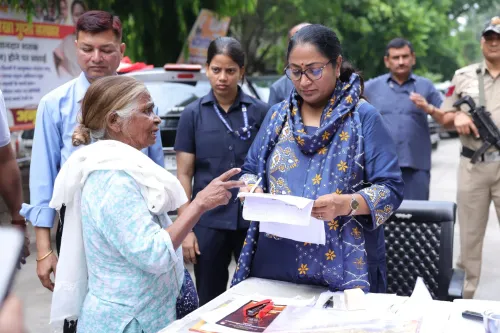
The CM Jan Sunwai is a structured public-hearing mechanism designed to surface individual service-delivery failures that have not been resolved through standard bureaucratic channels. Citizens register grievances and are called to present their cases directly to the Chief Minister's office, which then coordinates with the relevant agencies for resolution.
Delhi administrations across parties have used similar public-hearing platforms since the mid-2010s to clear backlogs in electricity, water, and sanitation. The current BJP-led government under Rekha Gupta has framed the Jan Sunwai as a cornerstone of its 'seva and sushasan' — service and good governance — administrative messaging since taking office.
Stakeholders and Impact
The 36 households now connected to the grid gain access to legal, metered electricity, which carries implications for safety, billing transparency, and eligibility for subsidised power tariffs available to domestic consumers in Delhi. For residents of areas regularised after 2018, a formal connection also strengthens documentation of residency.
Broader stakeholders include Delhi's power distribution companies, which are required to extend networks into newly regularised areas, and the Delhi Electricity Regulatory Commission, which monitors connection timelines and compliance. Persistent backlogs in such areas have historically been flagged in quarterly discom performance reviews.
What's Next
Attention will now turn to whether the CM Jan Sunwai mechanism produces further clearances for the larger pool of pre-2020 pending electricity applications across Delhi. Quarterly reports from the capital's distribution companies on connection clearance rates will serve as a key performance indicator for the administration's governance claims.
The Chief Minister's public framing of the resolution — emphasising dignity and relief — signals that the Jan Sunwai will continue to be positioned as a visible, citizen-facing accountability tool ahead of future electoral and policy cycles in the capital.
Point of View
The question is why regular channels could not. For Chief Minister Rekha Gupta, publicising individual resolutions is a deliberate governance-communication strategy, converting bureaucratic outputs into political capital around the 'sushasan' brand. The BJP's emphasis on direct-access grievance mechanisms in Delhi mirrors similar platforms used by its state governments elsewhere, suggesting a replicable template rather than an ad hoc measure. Whether the Jan Sunwai scales to address the full backlog of pending applications — rather than spotlighting select cases — will determine its lasting policy value.
NationPress
19 Sept 2026
Frequently Asked Questions
What is CM Jan Sunwai in Delhi?
CM Jan Sunwai is a public grievance redressal forum in Delhi where citizens can bring unresolved civic issues — such as pending electricity or water connections — directly before the Chief Minister's office for resolution.
Why were 36 Delhi families without electricity since 2018?
The 36 families had long-pending electricity connection applications, a situation common in Delhi's unauthorised and regularised colonies where standard utility processes often leave households in a backlog for years after regularisation notifications.
Who is Rekha Gupta and what is her role?
Rekha Gupta is a BJP leader serving as the Chief Minister of Delhi, having taken office after the BJP's return to power in the capital.
What is 'seva and sushasan' in the context of Delhi governance?
'Seva and sushasan' translates to 'service and good governance' and is a recurring administrative slogan used by the BJP-led Delhi government to describe its citizen-centric governance approach, including mechanisms like the Jan Sunwai.
What happens after CM Jan Sunwai resolves a case?
Once a case is taken up at a Jan Sunwai session, the Chief Minister's office coordinates with the relevant agency — such as a power distribution company — to execute the resolution, after which the citizen receives the service they had been awaiting.