CM Rekha Gupta Hails New Kashmir on Dal Lake Tiranga

Synopsis
Delhi CM Rekha Gupta shared a video of the tricolour flying over Dal Lake on August 13, 2026, crediting PM Modi's abrogation of Article 370 in 2019 for Kashmir's claimed progress in peace, infrastructure, and tourism ahead of Independence Day.
Key Takeaways
Delhi CM Rekha Gupta posted on 13 August 2026 , the eve of Independence Day, invoking the tricolour over Dal Lake, Srinagar .
She credited PM Narendra Modi and the removal of Article 370 in August 2019 for Kashmir's claimed peace and development.
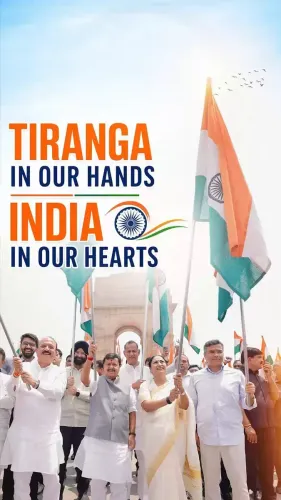
The post was tagged under #HarGharTiranga (#HGT2026) , the government's annual national-flag campaign now in its fourth year.
Article 370 was abrogated by Parliament on 5 August 2019 , reorganising the former state into two Union Territories.
The Har Ghar Tiranga campaign was first launched in 2022 as part of India's 75th Independence Anniversary celebrations.
The post continues a consistent BJP pattern of using Independence Day imagery to reinforce the post-370 governance narrative in Kashmir.
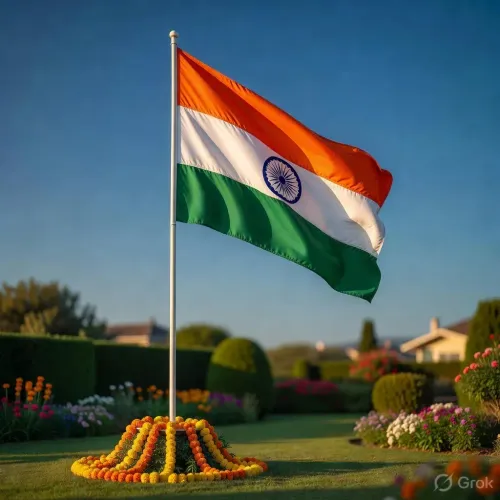
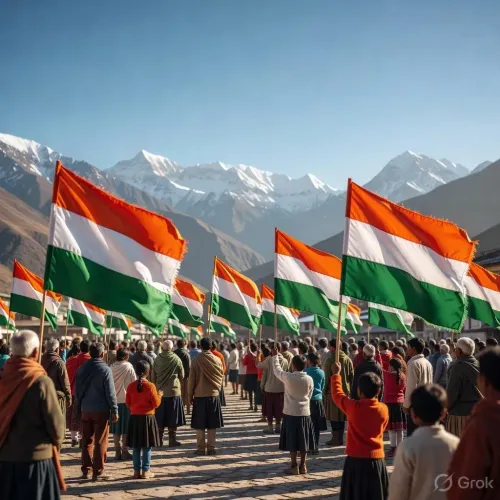
On the eve of Independence Day 2026, Delhi Chief Minister Rekha Gupta turned to the image of the tricolour flying over Dal Lake, Srinagar to make a pointed political argument — that Jammu and Kashmir, five years after its constitutional transformation, is a changed land.
Posting under the #HarGharTiranga campaign hashtag, Gupta wrote: 'Tiranga ki shaan ke saath aage badhta, samridh hota hamara Kashmir' — 'Our Kashmir, advancing and prospering with the pride of the tricolour.' She described the flag flying over Dal Lake as a symbol of a 'new Jammu and Kashmir' moving toward peace, development, modern infrastructure, growing tourism, and prosperity under Prime Minister Narendra Modi's leadership, specifically crediting the removal of Article 370 in August 2019.
Dal Lake as a Political Shorthand
Dal Lake is no ordinary backdrop. For decades, the iconic Srinagar lake — its houseboats, its shikaras, its mist-covered mornings — was the world's visual shorthand for a Kashmir caught between beauty and conflict. Invoking it now, with a tricolour flying 'proudly' (shaan se), is a deliberate image choice: the most recognisable symbol of the old, contested Kashmir reframed as evidence of the new, integrated one.
Gupta's post is part of a consistent BJP messaging pattern around Independence Day — using national symbols to anchor the claim that the August 2019 reorganisation of Jammu and Kashmir into a Union Territory delivered on its promise of normalcy and growth.
Article 370 and the BJP's Five-Year Argument
When Parliament abrogated Article 370 on 5 August 2019, the constitutional provision that had granted Jammu and Kashmir special status for seven decades, the government framed it as the gateway to integration, investment, and peace. The region was simultaneously reorganised into two Union Territories — Jammu and Kashmir, and Ladakh. The move remains one of the most consequential and contested decisions of the Modi government's tenure.
In the years since, BJP leaders at every level — central ministers, chief ministers, party spokespersons — have returned repeatedly to the abrogation as a reference point, citing tourism numbers, infrastructure projects, and visible symbols of national integration as markers of progress. Gupta's post fits squarely in that lineage.
#HarGharTiranga and the Independence Day Amplification
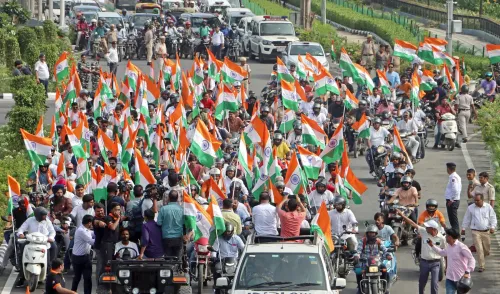
The Har Ghar Tiranga campaign, launched in 2022 as part of Azadi Ka Amrit Mahotsav — India's celebration of 75 years of independence — asked every household to hoist the national flag. Now in its fourth year, the campaign has become a reliable annual vehicle for political messaging, allowing leaders to weave together patriotism, governance claims, and party narrative under a single, unimpeachable symbol: the tricolour itself.
For Gupta, posting from Delhi but speaking about Kashmir, the campaign provides a natural bridge — the flag over Dal Lake becomes not just a patriotic image but a governance report card.
As Independence Day 2026 approaches, the tricolour over Dal Lake will mean different things to different people — but there is no question that BJP leaders intend it to mean one thing above all: mission accomplished.
Point of View
Even years after the fact. By anchoring the message in Dal Lake — a globally recognised image of Kashmir — rather than in policy data, the post prioritises visual and emotional persuasion over verifiable metrics. It also signals the party's intent to make the Kashmir transformation a durable electoral asset heading into future cycles. The use of a Delhi-based chief minister to amplify a Kashmir narrative underscores how central the issue remains to the BJP's national identity politics.
NationPress
27 Sept 2026
Frequently Asked Questions
What did Delhi CM Rekha Gupta say about Kashmir?
On 13 August 2026 , Rekha Gupta posted a video of the tricolour flying over Dal Lake , saying Kashmir is advancing toward peace, development, and prosperity under PM Modi's leadership after the removal of Article 370.
What is the Har Ghar Tiranga campaign?
Har Ghar Tiranga is a government campaign launched in 2022 during India's 75th Independence Anniversary that encourages citizens to hoist the national flag at their homes around Independence Day each year.
When was Article 370 removed?
Article 370 , which granted special constitutional status to Jammu and Kashmir, was abrogated by Parliament on 5 August 2019 . The region was simultaneously reorganised into two Union Territories: Jammu and Kashmir, and Ladakh.
Why is Dal Lake significant in the context of Kashmir?
Dal Lake in Srinagar is one of Kashmir's most iconic landmarks, historically central to the region's tourism economy and internationally recognised as a symbol of Kashmir's identity and beauty.
What is Rekha Gupta's political position?
Rekha Gupta is the Chief Minister of Delhi and a leader of the Bharatiya Janata Party (BJP) .