CM Rekha Gupta Orders Women's Toilets, Anti-Encroachment Drive in Chandni Chowk
Synopsis
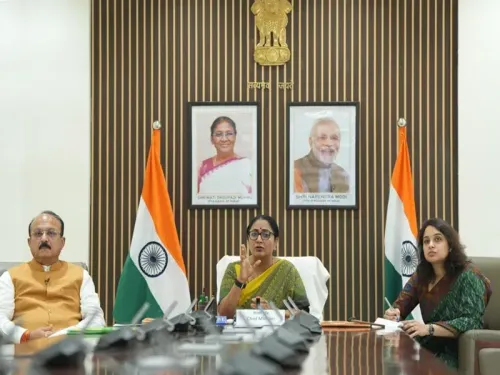
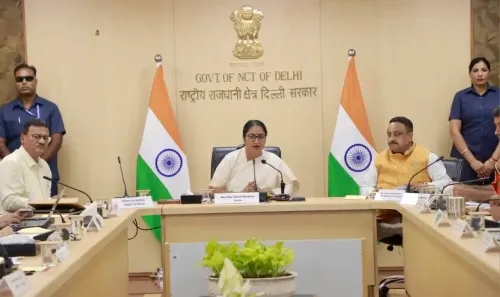
Delhi Chief Minister Rekha Gupta chaired an IVPN review meeting on 20 November 2026, ordering women's toilets, a QR-based grievance system, and joint police-MCD-PWD anti-encroachment action in Chandni Chowk, alongside plans to convert the historic Town Hall into a heritage centre.
Key Takeaways
Women's toilets ordered to be constructed in Chandni Chowk as a priority amenity gap.
A QR code-based public grievance system is to be launched for traders and visitors in the market.
Delhi Police, MCD, and PWD directed to conduct joint drives against encroachments and illegal rickshaws.
The colonial-era Town Hall in Chandni Chowk is proposed to be converted into a heritage and cultural centre.
BJP MP Praveen Khandelwal , Cabinet minister Ashish Sood , and councillor Suman Gupta attended the IVPN review meeting.
The push falls under the BJP-led government's broader Viksit Delhi urban renewal programme for Old Delhi.
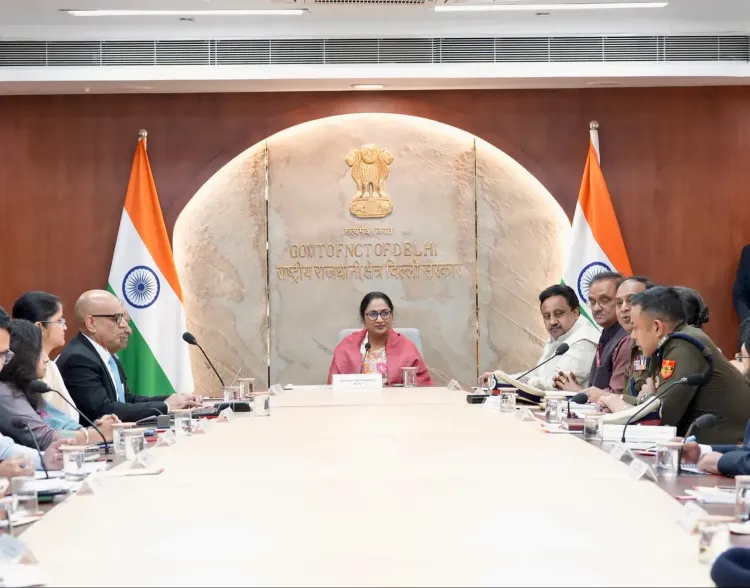
One of Delhi's oldest and most iconic commercial arteries is getting a governance overhaul — and Delhi Chief Minister Rekha Gupta is putting her weight behind it. At an IVPN review meeting on Friday, 20 November 2026, Gupta issued a sweeping set of directives aimed at cleaning up, upgrading, and future-proofing Chandni Chowk — from women's sanitation to heritage conservation.
What the IVPN Review Meeting Decided
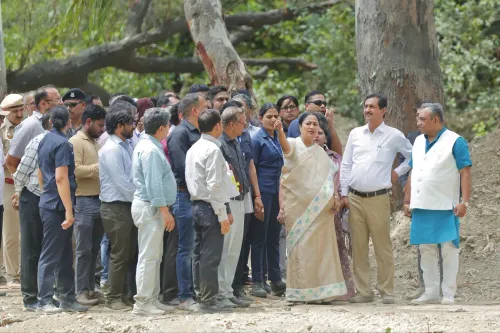
The Chief Minister directed construction of women's toilets in Chandni Chowk — a basic amenity long flagged as a gap in one of India's busiest markets. She also ordered the rollout of a QR code-based public grievance system, allowing traders and visitors to flag problems directly with civic agencies without navigating bureaucratic queues.
Crucially, Gupta issued joint action orders to Delhi Police, the Municipal Corporation of Delhi (MCD), and the Public Works Department (PWD) to crack down on encroachments and illegal rickshaws clogging the lanes. The coordinated three-agency approach is a standard Delhi playbook for high-density historic areas, but its deployment here signals the administration is treating Chandni Chowk as a priority zone.
Town Hall as Heritage Centre, and a Broader Vision for Old Delhi
Beyond immediate enforcement, Gupta outlined a longer-arc vision: comprehensive redevelopment of the Chandni Chowk precinct, conversion of the colonial-era Town Hall into a heritage and cultural centre, and a thorough overhaul of traffic management in the area.
The Town Hall proposal, if executed, would repurpose one of Old Delhi's most significant Victorian-era civic buildings into a public cultural anchor — a move that fits a wider pattern of the BJP-led administration linking urban renewal with heritage identity under its Viksit Delhi programme launched after the 2025 Delhi assembly elections.
Gupta framed the ambition in three parallel tracks: 'virasat bhi saheji jae, vyapar bhi phale-phoole' — 'heritage must be preserved, trade must flourish' — and better facilities for residents, traders, and tourists from across India and abroad.
Khandelwal, Sood, and the Political Coalition Behind the Push
The meeting brought together BJP MP Praveen Khandelwal, who represents the Chandni Chowk Lok Sabha seat and has been consistently vocal on local urban issues, Cabinet colleague Ashish Sood, and councillor Suman Gupta alongside senior officials from the departments concerned. The cross-level presence — Parliament, Cabinet, municipal council — underscores how politically loaded Chandni Chowk's revival is for the ruling party.
Chandni Chowk's traders represent one of the most organised commercial constituencies in Delhi, and their satisfaction — or frustration — has historically had electoral weight. Getting encroachment cleared and footfall flowing smoothly is as much a political deliverable as a civic one.
What to Watch as the Directives Turn Into Action
The real test will come in execution: timelines for the women's toilet construction, the QR grievance system going live, and whether the joint police-MCD-PWD drive sustains beyond an initial sweep. The Town Hall heritage conversion is a longer-horizon commitment with no confirmed deadline yet announced.
Chandni Chowk has seen redevelopment promises before — pedestrianisation and decongestion drives stretching back to the 2010s produced partial results. This time, with political ownership at the Chief Minister level and a named cross-agency mandate, the pressure to show visible progress is higher. The market's millions of daily visitors will be the most honest scorekeepers.
Point of View
Encroachment, and cultural heritage in one meeting is a classic multi-stakeholder bundling move that lets the administration claim visible quick wins while pursuing longer-horizon projects like the Town Hall conversion. The presence of the Chandni Chowk MP alongside Cabinet and civic representatives reflects how much political capital the ruling party has staked on Old Delhi's transformation. Whether this iteration breaks the cycle of incomplete redevelopment that has defined Chandni Chowk for two decades will depend entirely on whether the inter-agency coordination outlasts the press cycle.
NationPress
20 Nov 2026
Frequently Asked Questions
What decisions were taken at the Chandni Chowk IVPN review meeting?
At the IVPN review meeting on 20 November 2026, Delhi CM Rekha Gupta ordered construction of women's toilets, launch of a QR code-based grievance system, and joint action by Delhi Police, MCD, and PWD against encroachments and illegal rickshaws in Chandni Chowk.
What is the plan for the Town Hall in Chandni Chowk?
The Delhi government plans to convert the historic colonial-era Town Hall in Chandni Chowk into a heritage and cultural centre as part of the area's broader redevelopment under the Viksit Delhi programme.
Who attended the Chandni Chowk IVPN review meeting with CM Rekha Gupta?
BJP MP Praveen Khandelwal, Cabinet minister Ashish Sood, councillor Suman Gupta, and senior officials from the relevant departments attended the meeting.
What is the QR code grievance system being planned for Chandni Chowk?
The Delhi government has directed the launch of a QR code-based complaint and grievance system in Chandni Chowk that will allow traders, residents, and visitors to flag civic problems directly with the relevant agencies.
What is the Viksit Delhi programme for Old Delhi?
Viksit Delhi is the BJP-led Delhi government's urban renewal initiative launched after the 2025 Delhi assembly elections, prioritising heritage-linked redevelopment, improved amenities, and commercial revitalisation in areas like Chandni Chowk.