CM Rekha Gupta Assures Fair Probe in Malviya Nagar Case
Synopsis
Delhi Chief Minister Rekha Gupta publicly assured Uttarakhand CM Pushkar Dhami on June 7, 2026, that the investigation into a tragic incident in Malviya Nagar is being conducted impartially and transparently, with all agencies directed to follow facts, evidence, and law.
Key Takeaways
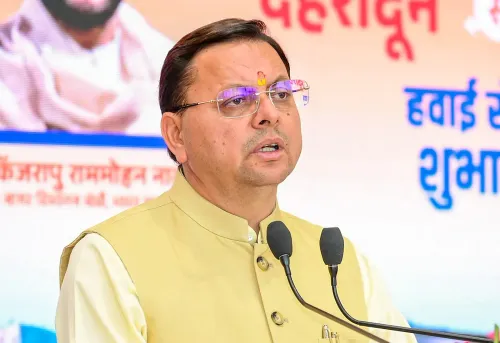
Delhi CM Rekha Gupta responded to Uttarakhand CM Pushkar Dhami's concern over a 'tragic incident' in Malviya Nagar , South Delhi.
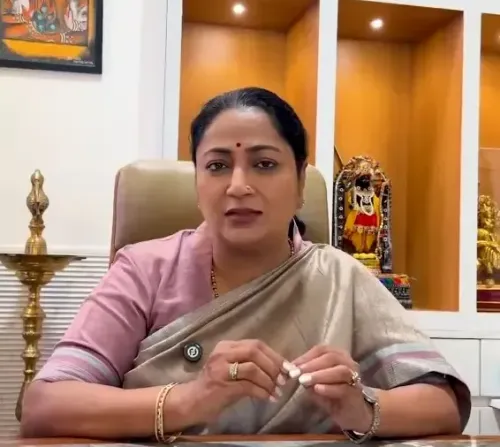
Gupta assured that the probe is being conducted with 'full impartiality, transparency, and due legal process.' All relevant agencies have been directed to conduct a 'thorough and impartial investigation in accordance with facts, evidence, and law.' Gupta stated that neither any guilty person should be spared nor any innocent person face injustice.
The cross-state communication between two BJP chief ministers signals potential inter-state links in the case.
Progress of the investigation by Delhi Police and any special probe teams will be closely watched.
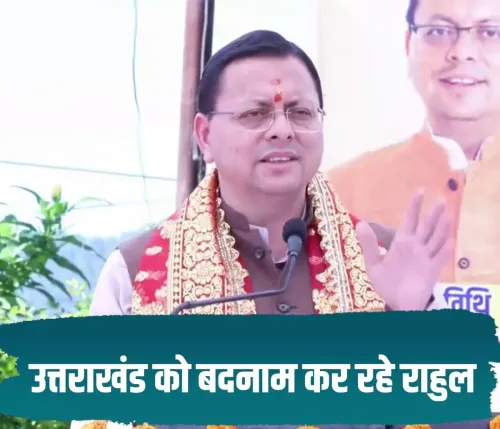
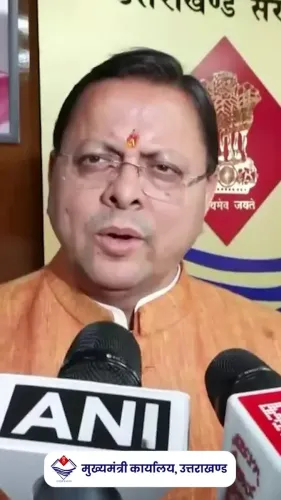
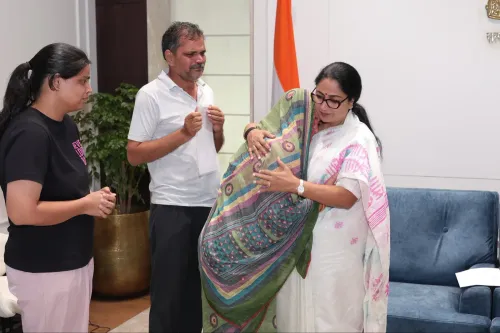
Delhi Chief Minister Rekha Gupta on Sunday, June 7, 2026, responded publicly to Uttarakhand Chief Minister Pushkar Singh Dhami, assuring him that the investigation into a 'tragic incident' in Malviya Nagar, South Delhi, is being conducted with full impartiality, transparency, and due process. The statement came in response to concern expressed by Dhami over the sensitive matter.
Context
Addressing Dhami directly on social media, CM Gupta wrote — 'यह दुखद घटना हम सभी के लिए अत्यंत पीड़ादायक है' ('This tragic incident is deeply painful for all of us') — acknowledging the gravity of the case and the legitimacy of the Uttarakhand CM's concern. The cross-state nature of the communication signals that the incident may have links to individuals from Uttarakhand, prompting Dhami to raise the matter at the highest level of the Delhi government.
Gupta stated categorically: 'Neither should any guilty person be spared, nor should any innocent person face any kind of injustice.' This dual commitment — to accountability and to protection against wrongful action — reflects the constitutional guarantees of equality and due process enshrined under Articles 14 and 21 of the Indian Constitution.
Policy Backdrop
Delhi administrations have, over successive governments, issued public assurances of evidence-based, impartial investigations in high-profile criminal cases to preserve public trust in institutions. Such statements are particularly significant when a case draws inter-state attention, as they signal coordination and shared accountability between state governments.
CM Gupta confirmed that all relevant agencies have been directed to ensure a 'thorough and impartial investigation in accordance with facts, evidence, and law.' This instruction-to-agencies framework is consistent with the Delhi government's oversight role over law enforcement operations within the capital.
Stakeholders and Impact
The primary stakeholders are Delhi residents of Malviya Nagar and the broader South Delhi community, along with the investigating agencies responsible for the case. Families of those directly involved — whether victims or accused — stand to be most immediately affected by the quality and pace of the probe.
The public exchange between two chief ministers from the same political formation, the Bharatiya Janata Party (BJP), underscores that inter-state accountability can be exercised even within a shared political alignment. Dhami's intervention and Gupta's swift public response together signal that the case carries significant public weight in both states.
What's Next
Attention will now turn to the investigating agencies — including Delhi Police, which operates under central government jurisdiction — and whether a special investigation team or fast-track mechanism is constituted. Progress reports, charge sheets, and any court proceedings will serve as the real test of the assurances given by CM Gupta.
Should the investigation surface inter-state dimensions, formal coordination between the Delhi and Uttarakhand governments may follow. The political visibility of this exchange means that both chief ministers will be under public scrutiny to ensure the stated commitment to justice translates into institutional action.
Point of View
Gupta positions the Delhi government as a neutral arbiter rather than a partisan actor. The inter-state dimension adds pressure: any perceived lapse in the investigation will be visible to two state governments and their electorates. This episode fits a broader pattern in Indian governance where public accountability is increasingly performed on social media, making such assurances simultaneously a policy signal and a political commitment.
NationPress
21 Oct 2026
Frequently Asked Questions
What is the Malviya Nagar incident Delhi 2026?
The exact details of the incident have not been officially disclosed in full, but Delhi CM Rekha Gupta described it as a 'tragic and deeply painful' event in the Malviya Nagar locality of South Delhi, which drew concern from Uttarakhand CM Pushkar Dhami, suggesting possible inter-state connections.
Why did Uttarakhand CM Pushkar Dhami raise the Malviya Nagar case?
Dhami expressed concern over the sensitive Malviya Nagar incident, likely due to potential links between the case and individuals from Uttarakhand. Delhi CM Rekha Gupta acknowledged his concern as 'natural and important' in her public response.
What action has Delhi CM Rekha Gupta ordered in the Malviya Nagar case?
CM Gupta has directed all relevant agencies to ensure a thorough and impartial investigation based on facts, evidence, and legal procedure, with the stated goal that no guilty person is spared and no innocent person faces injustice.
Is Delhi Police investigating the Malviya Nagar incident?
Delhi Police, which operates under central government jurisdiction, is among the agencies expected to be involved. CM Gupta confirmed that all concerned agencies have been given instructions to conduct a fair and in-depth probe.
What is Rekha Gupta's role in the Delhi government?
Rekha Gupta is the Chief Minister of Delhi and a senior BJP leader, responsible for overseeing state administration, policy, and law enforcement coordination within the capital.