CM Hemant Soren Files SIR Enumeration Form, Urges Jharkhand Voters
Synopsis
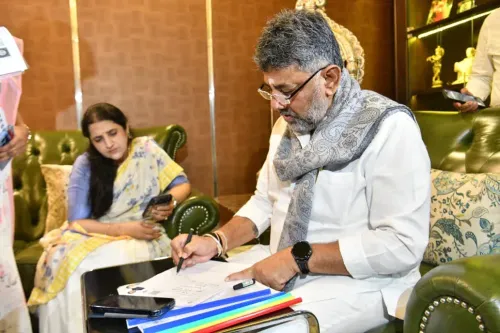
Jharkhand Chief Minister Hemant Soren filed his SIR enumeration form on 2 July 2026 and publicly appealed to all eligible voters in the state to do the same before the Election Commission of India's deadline, calling aware voters the foundation of a strong democracy.
Key Takeaways
Jharkhand CM Hemant Soren personally submitted his enumeration form under the Special Intensive Revision (SIR) campaign on 2 July 2026 .
The SIR is an Election Commission of India drive to re-verify and update electoral rolls through house-to-house enumeration.
Soren appealed to all eligible voters in Jharkhand to fill and submit their enumeration forms within the prescribed deadline.
He urged citizens to motivate family members, neighbours, and community members to also participate in the process.
Accurate voter rolls are especially critical in Jharkhand given its large tribal and rural population spread across remote areas.
After enumeration, draft electoral rolls will be published for public claims and objections before being finalised.
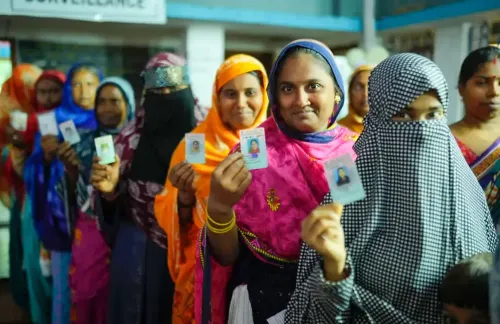
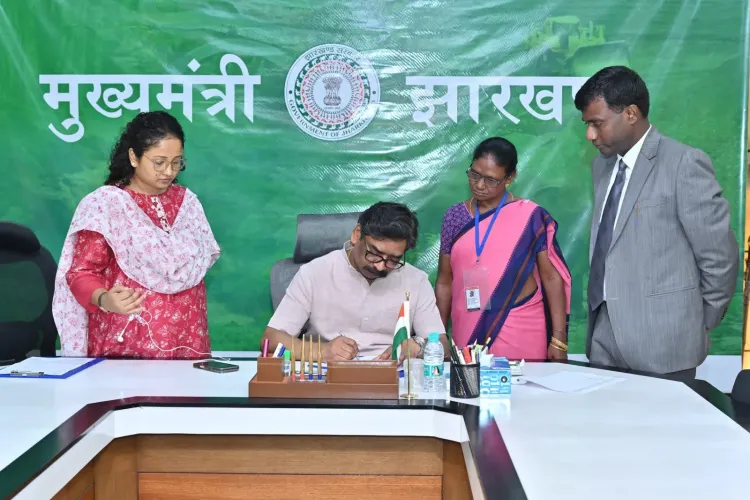
Jharkhand Chief Minister Hemant Soren on Thursday, 2 July 2026, publicly filed his enumeration form under the Special Intensive Revision (SIR) campaign, signalling the state government's active participation in the Election Commission of India's ongoing electoral roll revision drive. Soren posted images of the exercise on X and appealed to all eligible voters in Jharkhand to submit their forms before the prescribed deadline.
In his post, Soren wrote: 'झारखंड राज्य में विशेष गहन पुनरीक्षण (SIR) अभियान शुरू हो चुका है' — 'The Special Intensive Revision (SIR) campaign has begun in the state of Jharkhand.' He added that he had personally filled and submitted his enumeration form under SIR, and called on citizens to fulfil their democratic responsibility by doing the same. 'The foundation of a strong democracy is an aware voter,' he stated, urging residents to also motivate family members, neighbours, and others in their communities to participate.Context
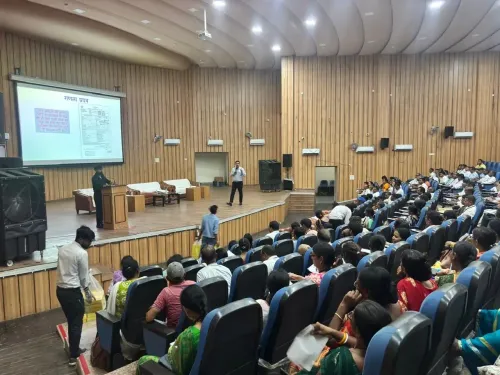
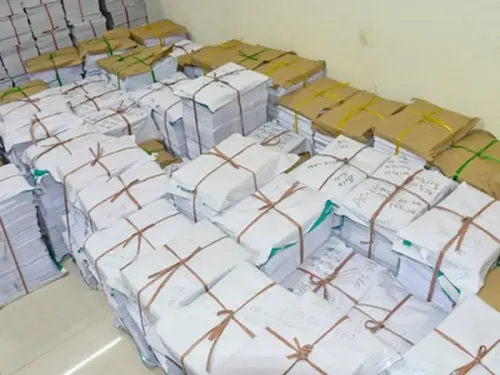
The Special Intensive Revision is an Election Commission of India (ECI) exercise mandated under the Representation of the People Act to comprehensively re-verify and update electoral rolls. Unlike routine summary revisions, SIR involves house-to-house enumeration where booth-level officers collect individual enumeration forms to confirm voter details, remove duplicate or bogus entries, and enrol newly eligible citizens.
Jharkhand, an eastern Indian state with a significant tribal and rural population, presents particular logistical challenges for voter roll accuracy. Ensuring that eligible voters — including those in remote forest and hill areas — are correctly enrolled is considered critical to the integrity of elections in the state.
Policy Backdrop
The ECI has periodically conducted intensive revision exercises ahead of major elections, including before the 2019 and 2024 Lok Sabha elections, to clean up voter lists across states. These drives are part of a standard protocol to maintain the accuracy of electoral rolls and have been scaled up in multiple states in recent election cycles.
The Jharkhand SIR follows this established national pattern of pre-poll voter list purification. By personally filing his enumeration form and publicising the act, CM Soren — who also serves as executive president of the Jharkhand Mukti Morcha (JMM) — is using his platform to amplify the ECI's outreach effort at the grassroots level.
Stakeholders and Impact
The primary beneficiaries of a successful SIR are Jharkhand's eligible voters, particularly first-time voters and those in underserved communities who may not have been enrolled in previous cycles. Accurate electoral rolls directly affect representation and the credibility of election outcomes.
Community leaders, panchayat officials, and civil society organisations are key intermediaries in encouraging form submission within the deadline. The SIR process, once complete, leads to the publication of draft electoral rolls open to claims and objections, giving citizens a further opportunity to correct errors.
What's Next
The completion rate of enumeration forms by the ECI-mandated deadline will determine the scope of updates to Jharkhand's voter rolls. Following the enumeration phase, draft electoral rolls are expected to be published for public review, allowing residents to raise claims or objections about inclusions or exclusions.
A high participation rate in the SIR could significantly improve the accuracy and comprehensiveness of the voter list ahead of the next electoral cycle in the state, reinforcing the democratic process that CM Soren invoked in his appeal.
Point of View
CM Soren is doing double duty: fulfilling a civic obligation while deploying his visibility as a democratic mobilisation tool ahead of the next electoral cycle. The move fits a pattern among state chief ministers of using ECI-mandated administrative exercises to project governance credibility and voter outreach. For Jharkhand, where tribal and rural voter enrolment gaps have historically shaped electoral outcomes, a high-profile push from the top executive could meaningfully improve participation rates. The appeal also implicitly frames the ruling dispensation as a steward of democratic processes — a positioning that carries electoral value.
NationPress
2 Jul 2026
Frequently Asked Questions
What is the Special Intensive Revision (SIR) campaign in Jharkhand?
The Special Intensive Revision (SIR) is an Election Commission of India exercise to thoroughly re-verify and update electoral rolls through house-to-house enumeration, aimed at removing bogus entries and enrolling eligible new voters in Jharkhand.
Why did Hemant Soren fill the SIR enumeration form?
Jharkhand CM Hemant Soren filled and submitted his SIR enumeration form on 2 July 2026 to publicly demonstrate participation and appeal to all eligible voters in the state to do the same before the ECI deadline.
Who needs to fill the SIR enumeration form in Jharkhand?
All eligible voters in Jharkhand are required to fill the SIR enumeration form within the deadline set by the Election Commission of India as part of the ongoing electoral roll revision drive.
What happens after the SIR enumeration in Jharkhand?
After the enumeration phase, draft electoral rolls are published for public review, allowing residents to raise claims or objections about inclusions or exclusions before the rolls are finalised.
What is the deadline to submit the SIR enumeration form in Jharkhand?
The Election Commission of India has set a specific deadline for submitting SIR enumeration forms; eligible voters in Jharkhand should check with their local electoral office or the ECI for the exact date, as CM Soren stressed completing the process within the prescribed time limit.