CM Hemant Soren Launches Youth Outreach Beyond Protests
Synopsis
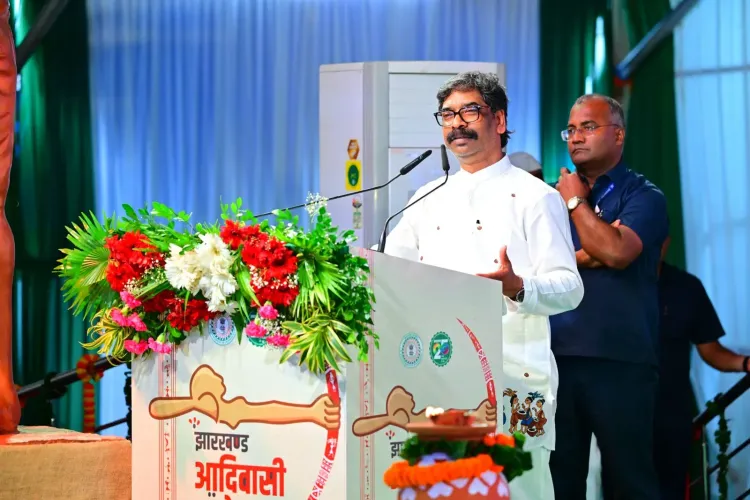
Jharkhand CM Hemant Soren on 9 August 2026 called out political misinformation targeting youth and announced a multi-channel government listening initiative tied to Adivasi Mahotsav 2026, pledging policy built from direct youth input beyond protest movements.
Key Takeaways
On 9 August 2026 , CM Hemant Soren publicly warned that political parties and educated elites are misleading Indian youth through misinformation.
Soren pledged a new outreach model: listening to youth 'at home' through multiple channels, not only through protest-led engagement.
The initiative is linked to Adivasi Mahotsav 2026 , a tribal cultural festival providing a community platform for the outreach.
The Jharkhand Mukti Morcha government has pursued direct citizen engagement since 2019 , particularly for tribal and youth communities.
Soren invited youth to approach the government 'fearlessly', committing to shape policy around the inputs received.
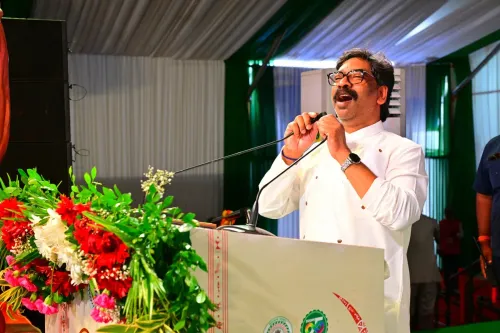
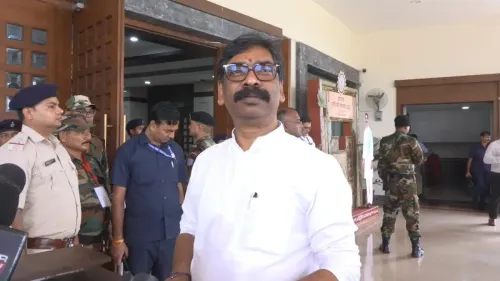
Political misinformation targeting India's youth is a growing crisis — and Jharkhand Chief Minister Hemant Soren says his government is done waiting for young people to march to the streets to be heard. On Sunday, 9 August 2026, Soren posted a direct appeal to Jharkhand's youth, announcing a new commitment to listen to them wherever they are — at home, online, through every channel available.
In his post, Soren wrote: 'आज देशभर में राजनीतिक दलों द्वारा युवाओं को झूठ-सच के माध्यम से दिग्भ्रमित करने के प्रयास हो रहे हैं' — 'Today, political parties across the country are attempting to mislead youth through a mix of lies and half-truths. Even learned, educated people are part of this. We can see how badly this affects society and the nation.' His remedy: an open door, not a protest ground.
From the Street to the Living Room — Soren's Shift in Strategy
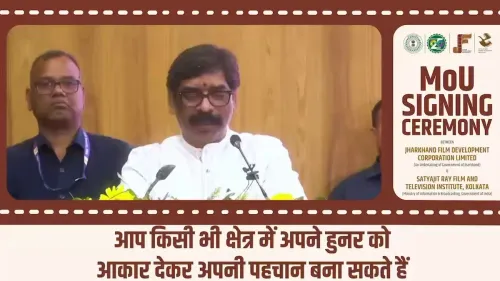
The Chief Minister's message marks a deliberate pivot. Rather than engagement driven purely by agitation and andolan (protest movements), Soren pledged that his government would actively reach out through 'different channels' — listening to what young Jharkhandis think from their own homes, then building policy around those inputs. 'Come to the government fearlessly with your concerns,' he urged. 'We will listen, understand, and build systems accordingly.'
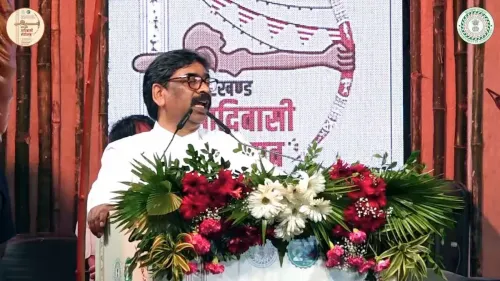
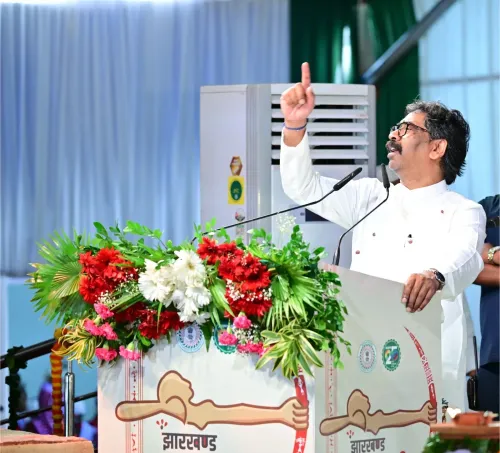
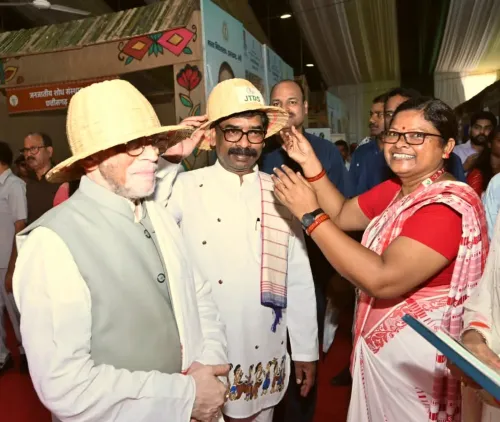
This is not an idle promise in a vacuum. Since 2019, the Jharkhand Mukti Morcha-led government has steadily moved toward direct citizen engagement — particularly for tribal and youth communities — as a counter to what it characterises as distorted national narratives. The #AdivasiMahotsav2026 hashtag anchoring the post signals that this outreach push is being timed to the upcoming Adivasi Mahotsav 2026, a tribal cultural festival that gives the initiative a credible, community-rooted platform.
The Misinformation Warning at the Heart of the Message
Soren's sharpest line is the one about educated elites: even scholars and intellectuals, he says, are participating in misleading the young. It is a pointed charge — one that frames the government's outreach not merely as a welfare programme but as a corrective to an information environment he considers actively hostile to Jharkhand's youth. The consequences, he argues, are visible across society.
Regional parties across India have increasingly used direct digital and community channels to counter messaging from larger national parties — and the JMM's move fits that pattern precisely. Tying the initiative to Adivasi Mahotsav 2026 adds cultural weight: it signals that listening to tribal youth is not a bureaucratic exercise but a matter of identity and rights.
The real test will come in the rollout — whether concrete feedback platforms emerge ahead of the festival, and whether state budget allocations follow. For now, Soren has drawn a clear line: in Jharkhand, the government comes to the youth. Not the other way around.
Point of View
He positions the JMM as a shield against outside narrative pollution, a message with particular resonance in a state where tribal identity and political trust are deeply intertwined. Anchoring the initiative to Adivasi Mahotsav 2026 is smart optics: it ties governance to culture, making a policy pledge feel like a community commitment. The real measure will be whether structured feedback mechanisms materialise before the festival, or whether this remains an aspirational signal ahead of the political cycle.
NationPress
9 Aug 2026
Frequently Asked Questions
What did Hemant Soren announce for Jharkhand youth on 9 August 2026?
CM Hemant Soren announced that his government would listen to youth through multiple channels beyond protest movements, gathering their views from home and building policy accordingly.
What is Adivasi Mahotsav 2026?
Adivasi Mahotsav 2026 is a tribal cultural festival referenced by CM Soren as a platform for the government's youth and community outreach initiative in Jharkhand.
Why did Hemant Soren warn about political misinformation targeting youth?
Soren said political parties across India are using a mix of truth and lies to mislead young people, and even educated individuals are participating, causing visible harm to society.
What is the Jharkhand Mukti Morcha's approach to youth engagement?
The JMM-led government has since 2019 focused on direct citizen engagement for tribal and youth communities, increasingly using digital and community channels to counter national-level narratives.
How can Jharkhand youth reach the Hemant Soren government with their concerns?
Soren invited youth to approach the government fearlessly through various outreach channels being developed, promising their input will directly shape governance decisions.