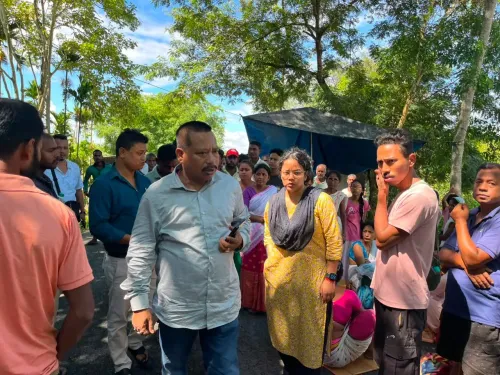
CM Himanta Thanks BJP President, Vows War-Footing Flood Relief in Assam
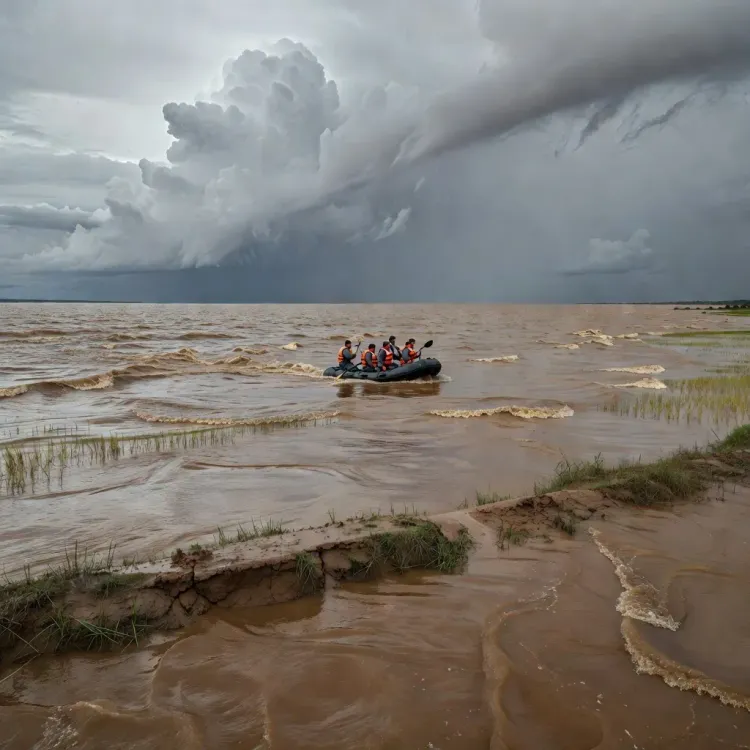
Synopsis
Assam Chief Minister Himanta Biswa Sarma on 25 July 2026 acknowledged condolences from a senior leader and confirmed that relief and rescue operations in the state are proceeding at war footing as Assam confronts a major ongoing crisis.
Key Takeaways
CM Himanta Biswa Sarma posted on 25 July 2026 confirming that Assam is facing a serious crisis, with relief and rescue operations at war footing.
The post is a direct response to condolences and support extended by a leader addressed as 'Adhyaksha Ji' (President/Chairman), indicating active party-level coordination.
Assam is among India's most flood-prone states, with annual inundation from the Brahmaputra and Barak rivers triggering large-scale disaster response.
The state's disaster response framework involves the State Disaster Response Force (SDRF) and central NDRF deployments, coordinated with the NDMA .
Observers will track potential announcements of additional central financial assistance or enhanced NDRF deployments to Assam in the coming days.
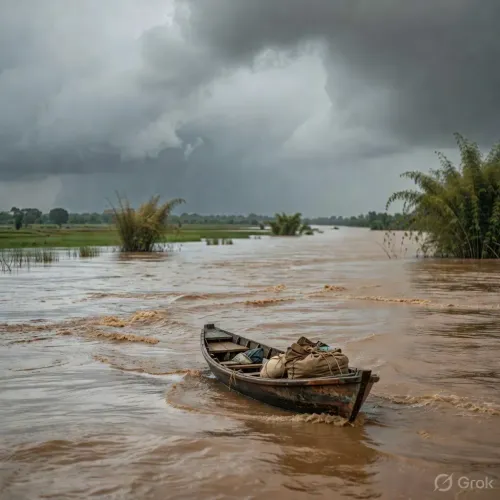
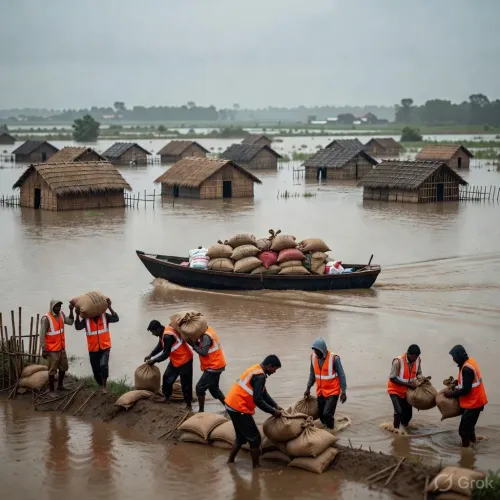
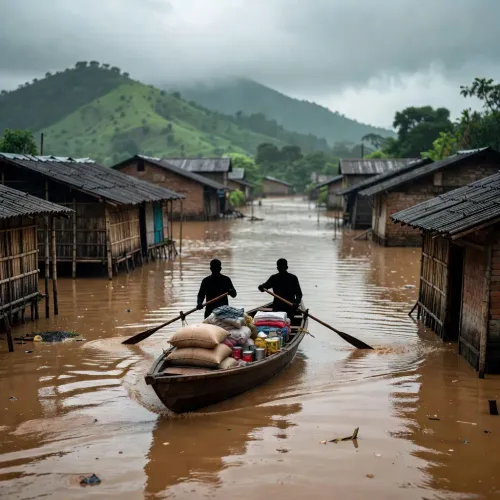
Assam Chief Minister Himanta Biswa Sarma on Saturday, 25 July 2026, publicly acknowledged support from a senior party leader — addressed as 'Adhyaksha Ji' (President/Chairman) — and reaffirmed that the state is confronting an ongoing crisis with full resolve, with relief and rescue operations running at war footing.
In a post in Hindi on X, CM Sarma wrote: 'Aadaraneeya Adhyaksha Ji, aapke samvedanaon aur nirantar sahyog ke liye aabhar. Assam is chaunotipurn samay ka dridhata se saamna kar raha hai aur rahat evam bachav karya yudhstar par jaari hain.' Translated: 'Respected President, thank you for your condolences and continued support. Assam is facing this challenging time with determination and relief and rescue operations are ongoing at war footing.'
Context
The post is a direct response to an expression of sympathy from a leader referred to as 'Adhyaksha Ji' — a term typically used for a party president or legislative assembly speaker. The remark signals active federal and party-level coordination during what appears to be a significant natural disaster, most likely the annual monsoon flooding that Assam faces every year from the Brahmaputra and Barak rivers.
Assam is one of India's most flood-prone states, with large swathes of the Brahmaputra valley inundated each monsoon season. The phrase 'yudhstar par' (war footing) is a standard administrative signal that emergency protocols — including round-the-clock operations, mass evacuations, and relief camp activations — are in force.
Policy Backdrop
Assam's disaster response architecture involves multiple layers: the State Disaster Response Force (SDRF), central deployments of the National Disaster Response Force (NDRF), and coordination with the National Disaster Management Authority (NDMA). Since the early 2000s, state governments have documented annual monsoon relief operations, and the current BJP-led administration under CM Sarma has continued this framework since taking office in 2021.
Public acknowledgements of central condolences by state chief ministers serve a dual purpose: they communicate administrative seriousness to affected citizens and reinforce the political-administrative linkage between the state government and national leadership. Such messaging is a consistent feature of disaster governance in Northeast India.
Stakeholders and Impact
The most immediate stakeholders are the flood-affected residents of Assam, whose livelihoods, homes, and safety depend on the speed and scale of relief operations. State disaster response teams, including personnel from the SDRF and NDRF, are the primary operational actors on the ground.
The broader political dimension involves the North-East Democratic Alliance (NEDA), of which CM Sarma is convenor, and the BJP's national leadership. Effective disaster response in a state like Assam carries significant administrative and electoral weight, given the recurrence and severity of annual flooding.
What's Next
Observers will watch for any formal announcement of additional central financial assistance or supplementary NDRF deployments to Assam. Central government statements on relief package approvals or visits by senior Union ministers to flood-affected districts would be the next indicators of the scale of federal support being mobilised.
As the monsoon season progresses through July and August 2026, the intensity of relief operations and the extent of damage — to crops, embankments, and infrastructure — will determine whether Assam seeks an enhanced central disaster relief allocation from the National Disaster Response Fund (NDRF).
Point of View
Potentially setting the stage for a formal request for additional NDRF deployments or enhanced disaster relief funds. For a state like Assam, where annual flooding is a recurring political and humanitarian challenge, such messaging is as much about governance accountability as it is about relief logistics. The BJP's national leadership will be keen to be seen as responsive, given the electoral significance of Northeast India.
NationPress
25 Oct 2026
Frequently Asked Questions
What did Assam CM Himanta Biswa Sarma say about flood relief on 25 July 2026?
CM Himanta Biswa Sarma confirmed on 25 July 2026 that Assam is confronting a challenging situation with determination, and that relief and rescue operations are ongoing at war footing. He also thanked a senior leader for their condolences and continued support.
Who is 'Adhyaksha Ji' that CM Sarma thanked in his post?
CM Sarma addressed the recipient as 'Adhyaksha Ji', a term used for a party president or assembly speaker. The exact identity of the individual has not been specified in the post.
Why does Assam face floods every year?
Assam experiences annual flooding primarily because of the Brahmaputra and Barak rivers, which swell significantly during the monsoon season between June and September, inundating large parts of the state.
What is the NDRF and how does it help Assam during floods?
The National Disaster Response Force (NDRF) is India's specialised federal agency for disaster response. During Assam's annual floods, NDRF teams are deployed to assist with evacuations, search and rescue, and relief distribution alongside the state's own SDRF.
What happens after a state chief minister requests central flood relief?
After a state government signals the severity of a disaster, the central government may announce additional NDRF deployments, release funds from the National Disaster Response Fund, or send senior ministers to assess the situation on the ground.