CM Himanta Celebrates Karbi Anglong's 75th Year
Synopsis
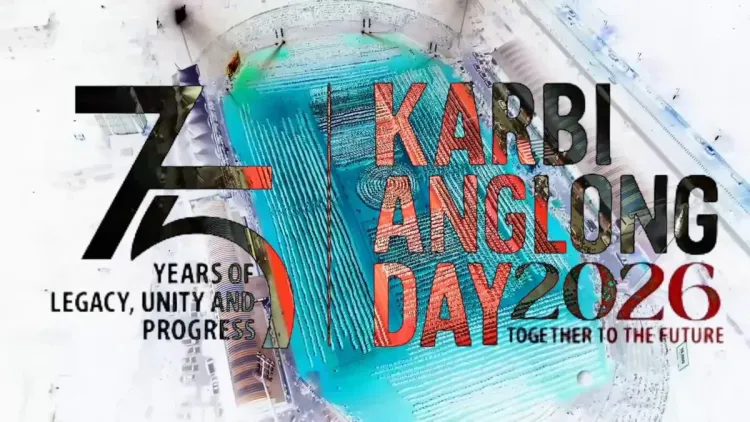
Assam Chief Minister Himanta Biswa Sarma marked Karbi Anglong's 75th anniversary on 17 November 2026, saluting Nimso Kerung's custodians and over 15,000 artistes while framing tribal traditions — Bihu, Jhumoir, Bagurumba and Karbi heritage — as essential stories of Bharat.
Key Takeaways
Karbi Anglong was constituted as an autonomous district on 17 November 1951 , making 2026 its 75th anniversary .
CM Himanta Biswa Sarma praised 'more than 15,000 artistes ' for carrying Karbi culture at the anniversary celebrations.
Nimso Kerung , the traditional Karbi festival, was specifically cited as a practice kept alive by community families and teachers across generations.
Sarma named four distinct Assam traditions — Bihu, Jhumoir, Bagurumba , and Nimso Kerung — as expressions of different communities within the state's cultural mosaic.
The Chief Minister framed tribal and ethnic traditions as 'stories of Bharat that must be known to the world,' linking regional heritage to national identity.
Sarma signalled a policy direction: providing artiste opportunities and ensuring children in tribal communities feel confident about their heritage.
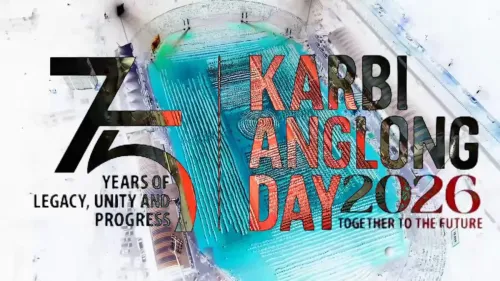
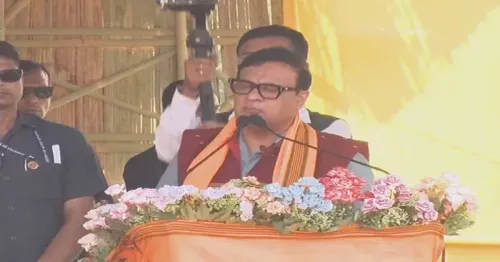
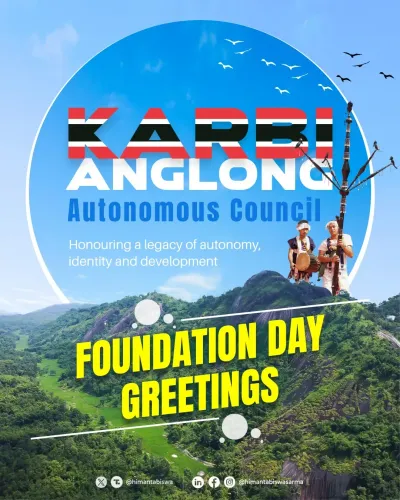
Seventy-five years after Karbi Anglong was constituted as an autonomous district on 17 November 1951, Assam Chief Minister Himanta Biswa Sarma marked the diamond jubilee with a tribute to the community's living culture — and a pointed argument for why tribal heritage belongs on the national stage.
Nimso Kerung and the keepers of Karbi tradition
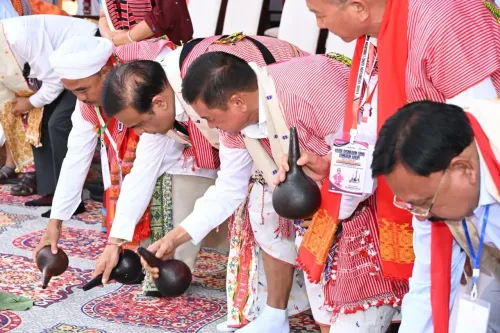
At the heart of the Chief Minister's message was Nimso Kerung, the traditional Karbi festival and cultural practice that families and teachers have carried across generations against considerable odds. Sarma offered 'heartfelt congratulations to all my sisters and brothers in Karbi Anglong, and to the families and teachers who kept Nimso Kerung alive through the years' — an acknowledgement that survival of indigenous tradition is itself an act of sustained labour, not passive inheritance.
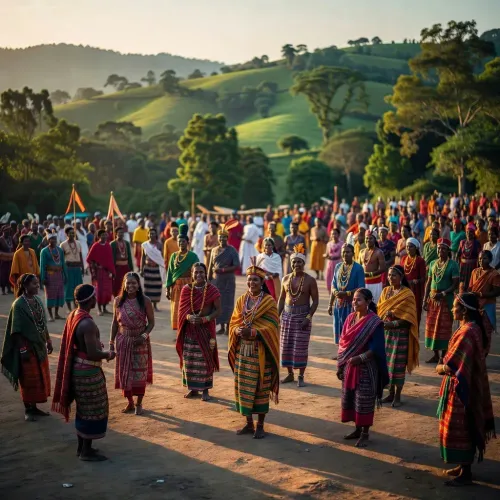
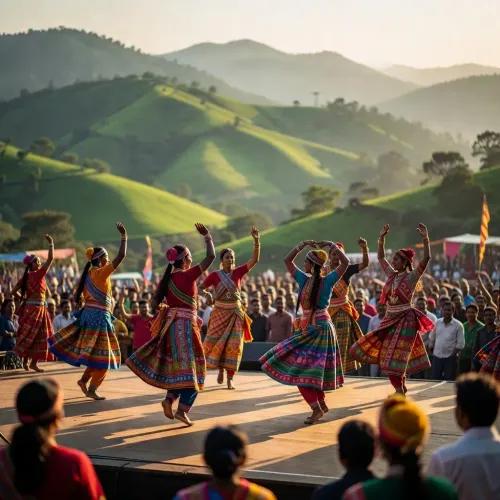
The scale of the anniversary celebrations, the CM noted, saw 'more than 15,000 artistes' carry Karbi culture to audiences beyond the district. That number — whatever the final count — signals an organised, state-backed platform for artiste participation rather than a local community gathering.
Four traditions, one Assam — and the 'Bharat' frame
Sarma wove Karbi Anglong's milestone into a broader cultural map of Assam, naming four distinct traditions in a deliberate sequence. Bihu, the statewide harvest and spring festival celebrated across communities. Jhumoir, rooted in the Tea Tribe and Adivasi communities. Bagurumba, the Bodo people's spring dance expressing their bond with nature. And Nimso Kerung, belonging to the Karbi. 'Each tradition tells a different story of Assam,' he wrote — 'These are stories of Bharat that must be known to the world.'
That last phrase is the tell. By lifting these regional traditions into a 'Bharat' narrative, Sarma is doing something politically deliberate: positioning Northeast ethnic culture not as peripheral folklore but as constituent threads of the national identity. It is a framing Assam's state leadership has deployed consistently across public events and official messaging.
Artiste support as governance, not gesture
The Chief Minister closed on a note that crossed from celebration into policy intent: 'Supporting these traditions begins with respecting the people who carry them. It means giving our artistes opportunities, and giving their children the confidence that their heritage matters.' That pairing — opportunities for artistes today, confidence for their children tomorrow — sketches the outline of a sustenance argument for cultural investment in autonomous tribal districts like Karbi Anglong.
Assam's state leadership has a track record of promoting the visibility of Bihu, Jhumoir, and Bagurumba through public events and artiste platforms. Whether the anniversary celebrations translate into announced schemes — cultural tourism infrastructure, artiste stipends, or school curriculum integration in autonomous districts — is the next thing to watch.
Seventy-five years on, Karbi Anglong is not just marking a date. It is making a case that its songs, dances, and festivals are not footnotes to Assam's story — they are the story.
Point of View
He is deploying Northeast diversity as a unifying national narrative — consistent with the BJP's broader effort to mainstream tribal and indigenous identities into the mainstream Indianness frame. The emphasis on artiste support and children's cultural confidence gestures toward a potential policy pipeline in autonomous districts, areas that carry both administrative sensitivity and electoral weight in Assam. As NEDA convenor, Sarma also has a regional-alliance interest in showcasing the Northeast's cultural richness to a national audience. Watch whether this anniversary rhetoric converts into announced schemes for cultural infrastructure or artiste welfare in Karbi Anglong and similar autonomous councils.
NationPress
17 Nov 2026
Frequently Asked Questions
When was Karbi Anglong district created?
Karbi Anglong was constituted as an autonomous district on 17 November 1951 , making 2026 its 75th anniversary.
What is Nimso Kerung?
Nimso Kerung is a traditional Karbi festival and cultural practice rooted in the Karbi community of Assam, preserved by families and teachers across generations.
What did CM Himanta Biswa Sarma say about Karbi Anglong's 75th anniversary?
CM Sarma congratulated the people of Karbi Anglong, praised over 15,000 artistes who performed at the celebrations, and called tribal traditions 'stories of Bharat that must be known to the world.'
What are the main cultural traditions CM Sarma mentioned from Assam?
Sarma named four traditions: Bihu (Assamese spring and harvest festival), Jhumoir (Tea Tribe and Adivasi communities), Bagurumba (Bodo community's nature-linked dance), and Nimso Kerung (Karbi community).
What is Karbi Anglong's autonomous status in Assam?
Karbi Anglong is an autonomous district in central Assam, created in 1951 as an administrative unit for tribal areas, home primarily to the Karbi tribe.