CM Himanta clears Nijut Babu Moina benefits for 5.42 lakh Assam students
Synopsis
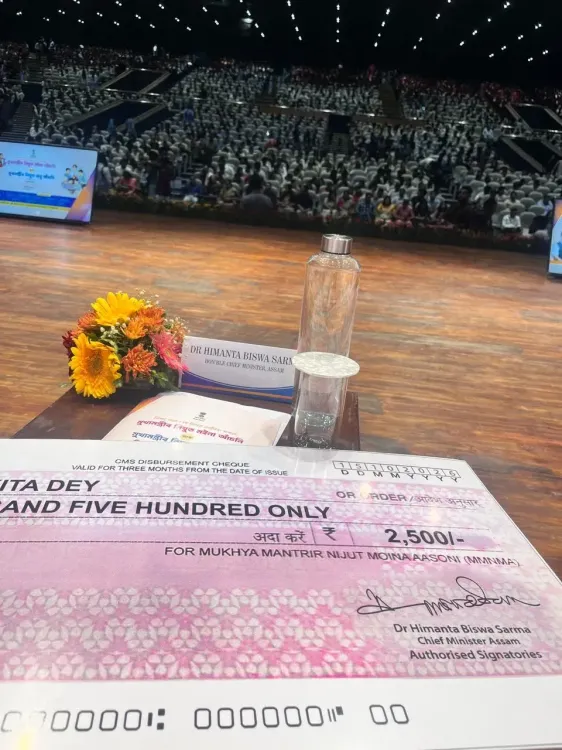
Assam Chief Minister Himanta Biswa Sarma cleared the disbursal of Nijut Babu Moina benefits to 5.42 lakh college students on October 15, 2026, one of the largest single-batch direct transfers under the state's higher-education welfare drive.
Key Takeaways
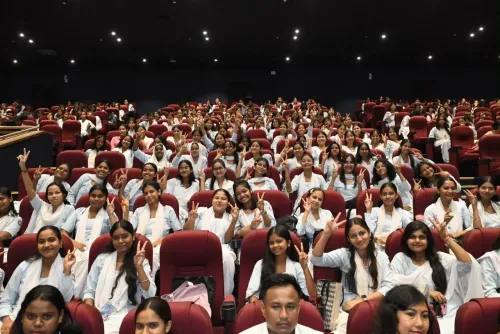
5.42 lakh boys and girls enrolled in Assam colleges are receiving benefits under the Nijut Babu Moina scheme.
Chief Minister Himanta Biswa Sarma personally signed off on the disbursal on October 15, 2026 .
The scheme is a direct-benefit programme designed to reduce financial barriers to higher education in Assam.
The BJP-led Assam government has made student and youth direct transfers a central plank of its human-capital agenda since 2021.
Rollout of subsequent instalments and enrolment-retention impact data remain key indicators to watch.
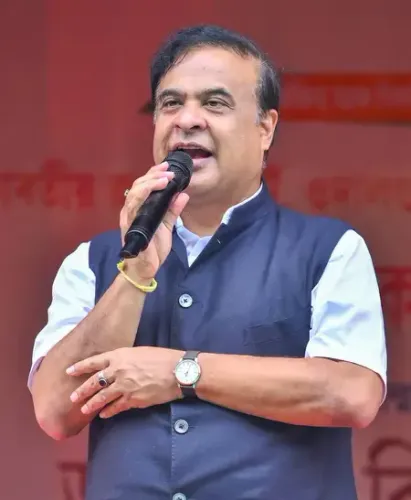
Assam Chief Minister Himanta Biswa Sarma signed off on the disbursal of #NijutBabuMoina benefits to 5.42 lakh boys and girls enrolled in colleges across the state on Thursday, October 15, 2026 — one of the largest single-batch student welfare transfers the northeastern state has seen under the current administration.
What Nijut Babu Moina actually does
The Nijut Babu Moina scheme is the Assam government's direct-benefit programme for college-going students, designed to ease the financial burden on families and keep young people in classrooms rather than the labour market. The name itself — loosely translating to 'many sons and daughters' — signals the scheme's ambition: cast the net wide, reach households that would otherwise price their children out of higher education.
The BJP-led Assam government under Chief Minister Sarma has made such direct transfers a signature of its human-capital agenda in the Northeast. By wiring money straight to beneficiaries rather than routing it through institutional intermediaries, the administration has sought to cut leakage and demonstrate tangible delivery.
5.42 lakh students: the scale of the push
Putting 5.42 lakh beneficiaries — roughly the population of a mid-sized Indian city — into a single disbursal round underlines the programme's reach. These are students spread across Assam's colleges, spanning urban centres and the state's more remote districts, many of which have historically struggled with higher-education retention rates.
Assam has rolled out several direct-benefit schemes targeting access to higher education since 2021, when Sarma assumed office. The pattern is consistent: identify a structural barrier, attach a cash transfer, and publicise the rollout to signal governance momentum. Nijut Babu Moina fits squarely within that playbook.
What comes next for the programme
The key question now is whether subsequent instalments maintain pace and whether the state begins publishing data on enrolment and retention outcomes — the metrics that would convert a welfare announcement into a verifiable development story. For now, 5.42 lakh students across Assam have a direct-benefit credit heading their way, and the Chief Minister has put his signature on it.
If the retention numbers follow, Nijut Babu Moina could become a model the Northeast replicates. If they do not, the pressure will fall on the next review cycle to explain the gap.
Point of View
Or whether the scheme remains a transfer without a transformation story.
NationPress
15 Oct 2026
Frequently Asked Questions
What is the Nijut Babu Moina scheme in Assam?
Nijut Babu Moina is an Assam government direct-benefit welfare scheme that provides financial assistance to boys and girls enrolled in colleges across the state, aimed at reducing financial barriers to higher education.
How many students are receiving Nijut Babu Moina benefits in 2026?
Assam Chief Minister Himanta Biswa Sarma signed off on disbursal of Nijut Babu Moina benefits to 5.42 lakh students on October 15, 2026.
Who approved the Nijut Babu Moina disbursal?
Assam Chief Minister Himanta Biswa Sarma personally approved the disbursal, announcing it on X on October 15, 2026.
Is Nijut Babu Moina a central or state government scheme?
Nijut Babu Moina is a state government scheme run by the BJP-led Assam government under Chief Minister Himanta Biswa Sarma, not a centrally sponsored programme.
What is Assam's broader approach to student welfare under Himanta Biswa Sarma?
Since 2021, the Assam government has rolled out multiple direct-benefit schemes targeting higher-education access and youth retention, with Nijut Babu Moina being a key component of its human-capital development agenda for the Northeast.