CM Himanta flags Assam-Gujarat e-methanol push for Net Zero
Synopsis
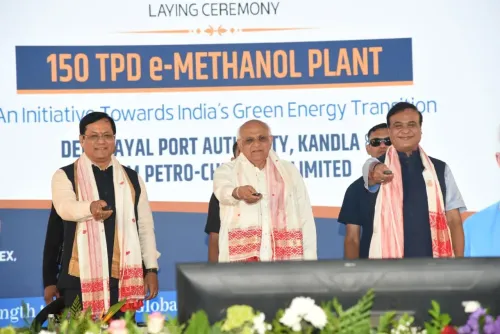
Assam CM Himanta Biswa Sarma spotlights a 150 TPD e-methanol project with Gujarat as a landmark inter-state green energy partnership, anchoring it to India's 2070 net-zero pledge and the Viksit Bharat vision.
Key Takeaways
Assam CM Himanta Biswa Sarma publicly detailed the Assam-Gujarat e-methanol partnership in a Substack essay on 26 September 2026 .
The project targets production of 150 tonnes per day (TPD) of e-methanol, a green liquid fuel derived from green hydrogen and CO₂.
The collaboration is framed under the Viksit Bharat vision and India's commitment to reach net-zero emissions by 2070 .
The project aligns with the National Green Hydrogen Mission (2023) , which explicitly supports green hydrogen derivatives including methanol.
Exact funding, technology partner, and commissioning timeline for the plant have not yet been publicly confirmed.
The model — pairing a resource-rich northeastern state with Gujarat's industrial and port infrastructure — could serve as a template for future inter-state green-fuel deals.
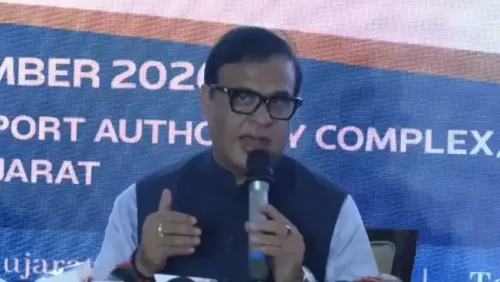
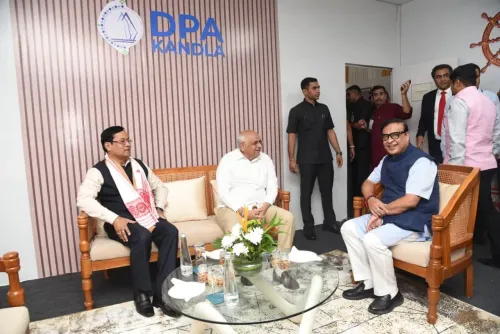
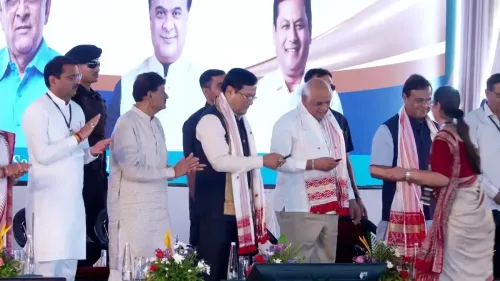
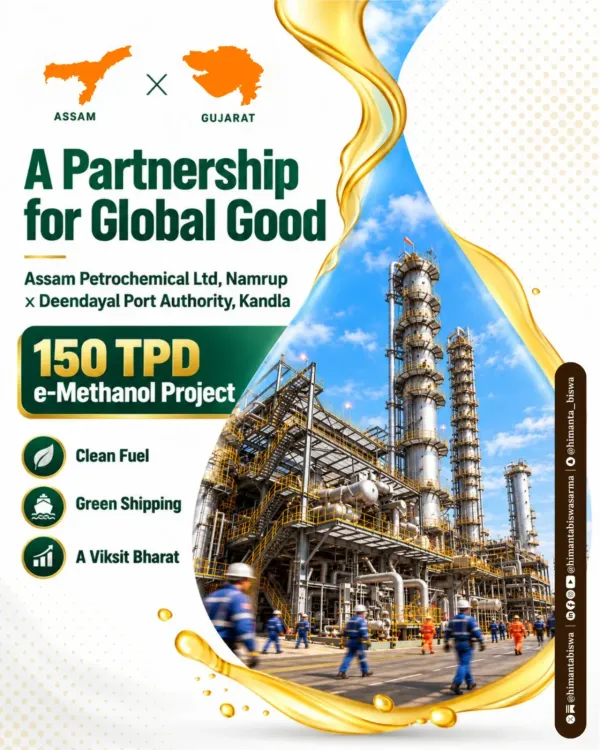
A northeastern state known for its tea gardens and oil fields is now staking a claim in India's green fuel future — and it is doing so in partnership with an industrial powerhouse on the opposite coast. Assam Chief Minister Himanta Biswa Sarma on Saturday, 26 September 2026, wrote on X about a 150 tonnes-per-day (TPD) e-methanol project linking Assam and Gujarat, calling it 'an important step towards a Net Zero Bharat' and a defining expression of inter-state synergy under the Viksit Bharat vision.
Why e-methanol — and why these two states
E-methanol, or electro-methanol, is produced by combining green hydrogen with captured carbon dioxide — a process that turns two waste or surplus streams into a clean liquid fuel usable in shipping, chemicals, and power generation. At 150 TPD, the proposed plant would rank among the more ambitious green-methanol facilities announced at the state level in India. Sarma's Substack essay frames the collaboration as a model: Assam, resource-rich with natural gas infrastructure and renewable potential in its river basins, pairs with Gujarat's massive port and industrial corridor ecosystem that can offtake, store, and export clean fuels at scale.
India's Panchamrit and the National Green Hydrogen Mission
The project sits squarely within two national policy pillars. India pledged net-zero emissions by 2070 at COP26 in Glasgow in 2021 — part of its five-part 'Panchamrit' climate commitment. To operationalise that, the central government launched the National Green Hydrogen Mission in 2023, explicitly targeting green hydrogen derivatives including methanol, ammonia, and other e-fuels for domestic use and export. State-to-state deals that channel local resources into nationally mandated green-fuel pipelines are precisely the implementation layer the Mission depends on.
Inter-state climate deals as the new governance frontier
What makes the Assam-Gujarat framing notable is its deliberate rebranding of regional cooperation: not a fiscal transfer or a political alliance, but a climate-industrial partnership with a measurable output target. Indian states have increasingly competed for investment in the green-energy space; bilateral collaboration — sharing risk, infrastructure, and off-take markets — offers a different model. Sarma, who also convenes the North-East Democratic Alliance (NEDA), has consistently positioned the Northeast as a supplier of renewable energy and green feedstocks to the rest of India rather than a passive recipient of central transfers.
The detailed project sanction order, investment quantum, technology partner, and commissioning timeline for the 150 TPD plant are yet to be publicly disclosed — figures that will determine whether this partnership moves from vision to verified milestone. But as a template, the Assam-Gujarat e-methanol corridor could prompt similar pairings: a resource state, an industrial state, a clean-fuel output, and a shared claim on India's net-zero scoreboard.
India's 2070 net-zero clock is ticking — and the race is now being run as much between state capitals as in New Delhi.
Point of View
He aligns state ambition with the ruling dispensation's flagship narratives — a move that also strengthens his case for greater central investment in northeastern infrastructure. The bilateral state-level model, if it delivers verified output, could pressurise other state governments to form similar pairings rather than compete solo for central Mission funds. The real test will be the disclosure of project financials and a commissioning date, which will separate climate signalling from climate delivery.
NationPress
27 Sept 2026
Frequently Asked Questions
What is the Assam-Gujarat 150 TPD e-methanol project?
It is an inter-state green energy initiative aimed at producing 150 tonnes per day of e-methanol — a clean liquid fuel made from green hydrogen and captured CO₂ — combining Assam's resource potential with Gujarat's industrial and port infrastructure.
What is e-methanol and how is it different from regular methanol?
E-methanol (electro-methanol) is produced using green hydrogen (generated via renewable electricity) combined with carbon dioxide, making it a near-zero-carbon fuel, unlike conventional methanol derived from fossil natural gas.
How does this project relate to India's net-zero target?
India pledged net-zero emissions by 2070 at COP26 in Glasgow and launched the National Green Hydrogen Mission in 2023 to scale green fuel production; the Assam-Gujarat e-methanol project is a state-level implementation of these national climate commitments.
What is Viksit Bharat and why is it linked to this project?
Viksit Bharat is the central government's vision for a fully developed India by 2047 , encompassing sustainable economic growth and clean energy transitions; CM Sarma invokes it to position the e-methanol project as part of a broader national development agenda.
When will the 150 TPD e-methanol plant be commissioned?
The commissioning timeline, funding details, and technology partner for the plant have not yet been publicly confirmed; these details are the key markers to watch as the project advances.