CM Himanta Gets Full Central Backing to Tackle Assam Floods
Synopsis
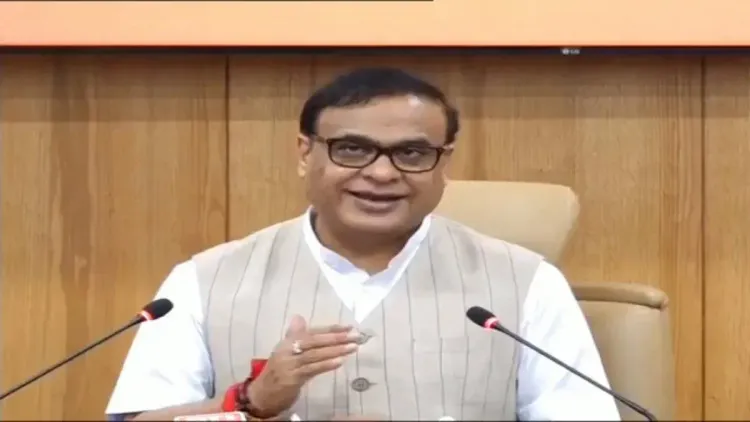
Chief Minister Himanta Biswa Sarma announced on 31 July 2026 that PM Modi and Home Minister Amit Shah have extended full support and operational flexibility to Assam for flood relief, with both leaders closely monitoring the situation on the ground.
Key Takeaways
CM Himanta Biswa Sarma confirmed on 31 July 2026 that the Centre has given Assam full support to manage the ongoing floods.
PM Narendra Modi and Home Minister Amit Shah are 'closely monitoring' the flood situation in Assam.
Sarma has been given 'leeway to extend all assistance in flexible terms' — signalling faster, less restricted access to disaster relief mechanisms.
India's disaster response rests on the State Disaster Response Fund (SDRF) and National Disaster Response Fund (NDRF) , both of which can be mobilised with central approval.
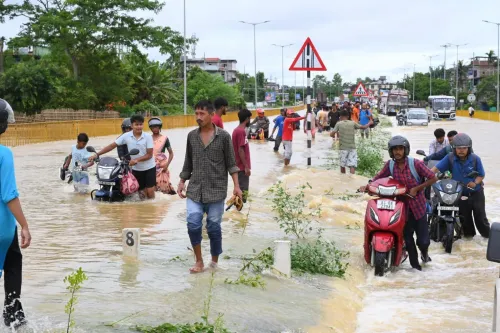
Assam faces annual monsoon flooding from the Brahmaputra and Barak river systems, making coordinated centre-state response a seasonal necessity.
With Assam deep in another bruising monsoon season, Chief Minister Himanta Biswa Sarma has confirmed that both Prime Minister Narendra Modi and Union Home Minister Amit Shah are standing directly behind the state — and have handed him the flexibility to deliver relief on his own terms.
Sarma stated on Friday, 31 July 2026 that the central leadership has given him 'the leeway to extend all assistance in flexible terms' to flood-affected people, with both Modi and Shah 'closely monitoring the situation.' The language is deliberate: it signals not just moral support but operational latitude — the kind that matters when floodwaters move faster than bureaucratic approvals.
What 'Flexible Assistance' Actually Means
India's disaster funding architecture runs on two pillars — the State Disaster Response Fund (SDRF) and the National Disaster Response Fund (NDRF). Both are governed by norms periodically revised by the central government. When a Home Minister signals 'flexible terms,' it typically means the state can draw on these mechanisms without the usual procedural friction — faster disbursements, fewer pre-conditions, and room to tailor relief to local ground realities.
For a state like Assam, where the Brahmaputra and Barak river systems can flood dozens of districts in a matter of days, that flexibility is not a courtesy — it is a lifeline.
Assam's Recurring Monsoon Crisis
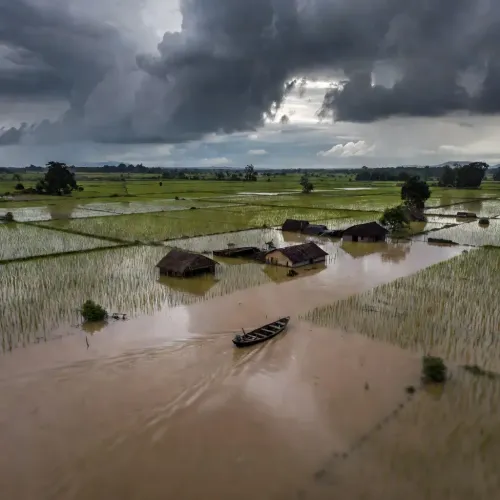
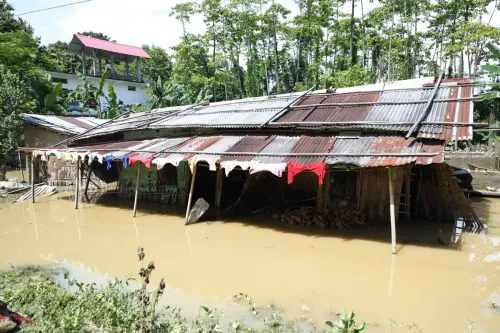
Assam is among India's most flood-vulnerable states, enduring annual inundation that displaces hundreds of thousands and devastates agriculture, livestock, and infrastructure across the Brahmaputra valley. The pattern repeats every monsoon season, making centre-state coordination a near-permanent operational requirement rather than an emergency exception.
Since the BJP came to power both in New Delhi and in Dispur — Assam's state capital — the two governments have emphasised a coordinated response framework. Sarma's post reinforces that alignment, presenting the centre not as a distant approver but as an active co-manager of the crisis.
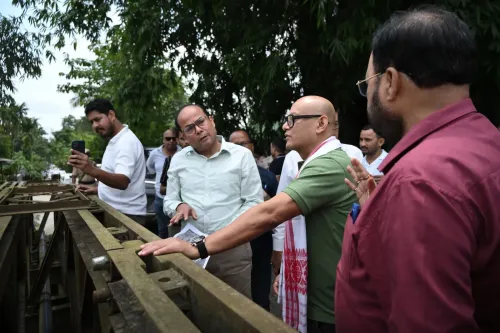
The coming weeks will test whether that assurance translates into visible relief on the ground — in NDRF deployments, in funds reaching district administrations, and in the speed of rehabilitation for those who have lost homes and harvests to the water.
Point of View
Unified command during a crisis. The emphasis on 'flexible terms' is notable: it suggests the Centre is willing to ease procedural constraints under existing SDRF and NDRF frameworks, which has been a recurring demand from northeastern states during acute flood events. This kind of visible centre-state alignment serves both governance and electoral optics ahead of any future state-level accountability moment. The real test, as always, lies in the speed and reach of ground-level disbursement.
NationPress
31 Jul 2026
Frequently Asked Questions
What did Himanta Biswa Sarma say about Assam floods support from the Centre?
CM Himanta Biswa Sarma said on 31 July 2026 that PM Modi and Home Minister Amit Shah have given him 'unstinted support' and the flexibility to extend all assistance to flood-affected people in Assam, with both leaders closely monitoring the situation.
Is Assam facing floods in 2026?
Yes. Assam is experiencing its monsoon flood season in 2026. The state faces annual flooding from the Brahmaputra and Barak river systems, and CM Sarma's post confirms active central government involvement in the response.
What is the NDRF and SDRF role in Assam flood relief?
The National Disaster Response Fund (NDRF) and State Disaster Response Fund (SDRF) are the primary financial mechanisms for flood relief in India. The Centre's offer of 'flexible assistance' to Assam suggests easier and faster access to these funds.
What is Amit Shah's role in Assam flood management?
As Union Home Minister, Amit Shah oversees disaster management through the Ministry of Home Affairs and the National Disaster Management Authority (NDMA). CM Sarma confirmed Shah is closely monitoring the Assam flood situation.
Why does Assam flood every year?
Assam's geography makes it highly vulnerable to monsoon flooding. The Brahmaputra and Barak river systems swell significantly during the June-September monsoon, inundating large parts of the state annually and displacing hundreds of thousands of residents.