CM Himanta Hails IAS Association Assam's Flood Contribution

Synopsis
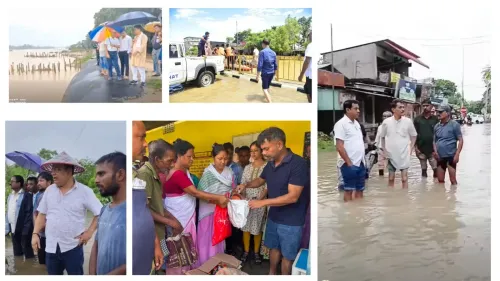
Assam CM Himanta Biswa Sarma on 26 July 2026 publicly appreciated the IAS Association Assam's contribution during the ongoing floods, spotlighting the tireless on-ground work of the state's administrative officers in relief and evacuation efforts across flood-hit districts.
Key Takeaways
CM Himanta Biswa Sarma acknowledged a contribution by the IAS Association, Assam on 26 July 2026 via a post on X.
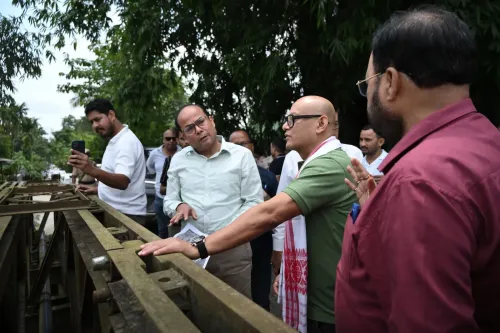
The Chief Minister emphasised that officers have been 'working tirelessly on the ground throughout the floods.' Assam faces annual monsoon flooding from the Brahmaputra and Barak river systems during the June–September window.
Flood relief coordination in Assam operates under the State Disaster Management Authority framework established by the Disaster Management Act, 2005 .
The IAS Association's gesture reflects institutional solidarity, with civil service bodies playing a visible role alongside political leadership during crises.
Assam Chief Minister Himanta Biswa Sarma on Sunday, 26 July 2026, publicly acknowledged a contribution by the IAS Association, Assam, praising the gesture and underlining that the state's administrative officers have been deployed continuously on the ground throughout the ongoing flood crisis.
Context
Posting on X, CM Sarma wrote that he 'deeply appreciates this thoughtful gesture' by the IAS Association, Assam, while emphasising that the contribution is secondary to the round-the-clock field presence of officers. 'Beyond this contribution, our officers have been working tirelessly on the ground throughout the floods, standing with our people in these difficult times,' he stated. The post signals both gratitude for institutional solidarity and a deliberate effort to spotlight the on-ground role of the civil service during one of Assam's most testing seasonal periods.
Policy Backdrop
Assam is among India's most flood-vulnerable states, with the Brahmaputra and Barak river systems regularly inundating large swathes of the state during the June–September monsoon window. The state operates district-level flood control rooms and relief coordination mechanisms under the State Disaster Management Authority, a framework established under the Disaster Management Act, 2005. Annual pre-monsoon reviews of embankment maintenance and relief logistics have been a fixture of state administration, with IAS-cadre officers leading evacuation drives, relief distribution, and embankment monitoring.
The IAS Association, Assam is the state-level representative body of Indian Administrative Service officers posted in the state. Contributions by such associations during disasters — whether financial, logistical, or symbolic — serve as a morale signal within the bureaucracy and reinforce the culture of institutional ownership during crises.
Stakeholders and Impact
The immediate beneficiaries of the flood response are the lakhs of residents across Assam's flood-affected districts who depend on district administrations for evacuation alerts, relief camps, and essential supplies. The acknowledgement by the Chief Minister publicly elevates the role of the civil service, which often operates in the background during disaster response. For the officers themselves, the recognition from the top political executive carries institutional weight and reinforces accountability.
CM Sarma, who also convenes the North-East Democratic Alliance (NEDA), has made disaster preparedness and relief response a visible governance priority since assuming office in 2021. His public posts during flood seasons have consistently highlighted administrative mobilisation, framing it as a whole-of-government effort rather than a purely political response.
What's Next
With the 2026 monsoon season still active, the focus will remain on relief distribution, embankment breach monitoring, and rehabilitation of displaced families. Observers will watch for state budget announcements or inter-departmental orders that formalise flood-response coordination mechanisms beyond the current season. Any additional contributions from government bodies or civil society groups are likely to receive similar public acknowledgement from the Chief Minister's office as the administration seeks to project unified institutional resolve.
Point of View
Bureaucracy-led disaster response rather than a politically driven one. By foregrounding officer sacrifice over the contribution itself, he positions the civil service as the backbone of Assam's flood management, which also deflects criticism about infrastructure gaps in embankment maintenance. This fits a broader pattern of his administration using social media to signal administrative accountability during recurring crises. The post also subtly builds solidarity between the political executive and the permanent bureaucracy at a time when sustained field deployment places significant pressure on district officers.
NationPress
27 Jul 2026
Frequently Asked Questions
What did the IAS Association Assam contribute during the 2026 floods?
The exact nature and amount of the contribution have not been officially disclosed. Assam CM Himanta Biswa Sarma described it as a 'thoughtful gesture' in his post on 26 July 2026, but specifics were not detailed in the public statement.
How does Assam manage flood relief every year?
Assam manages annual flood relief through district-level flood control rooms and the State Disaster Management Authority, established under the Disaster Management Act, 2005. IAS-cadre officers lead evacuation, relief distribution, and embankment monitoring during the June–September monsoon season.
Who is Himanta Biswa Sarma?
Himanta Biswa Sarma is the Chief Minister of Assam since 2021 and a senior BJP leader. He also serves as the convenor of the North-East Democratic Alliance (NEDA), a coalition of BJP-aligned parties in the northeastern states.
Why does Assam flood every year?
Assam floods annually due to heavy monsoon rainfall that swells the Brahmaputra and Barak river systems, which run through the state. Inadequate embankment infrastructure and the rivers' high sediment load compound the flooding, affecting lakhs of residents each season.
What is the IAS Association Assam?
The IAS Association Assam is the state-level representative body of Indian Administrative Service officers posted in Assam. It coordinates among members on professional matters and, during crises, may make institutional contributions to relief efforts.