CM Himanta hails Modi's decisions on Ram Mandir and Article 370
Synopsis
Assam Chief Minister Himanta Biswa Sarma paid tribute to PM Narendra Modi on October 7, 2026, citing the Ram Mandir consecration and Article 370 abrogation as generational, history-reshaping decisions that define Modi's political legacy.
Key Takeaways
Assam CM Himanta Biswa Sarma posted a formal tribute to PM Narendra Modi on October 7, 2026 .
Sarma highlighted two landmark decisions: the Ram Mandir construction in Ayodhya and the abrogation of Article 370 in Jammu and Kashmir .
The Ram Mandir 'pran pratishtha' (consecration ceremony) was held in January 2024 , with Modi performing the central ritual.
Article 370 was abrogated in August 2019 ; the Supreme Court upheld the move in December 2023 .
Sarma, as convenor of the North-East Democratic Alliance (NEDA) , is among the BJP's most senior regional voices, lending institutional weight to the tribute.
The post reflects the BJP's broader narrative of framing the 2014–2024 Modi era as a civilisational and constitutional inflection point.
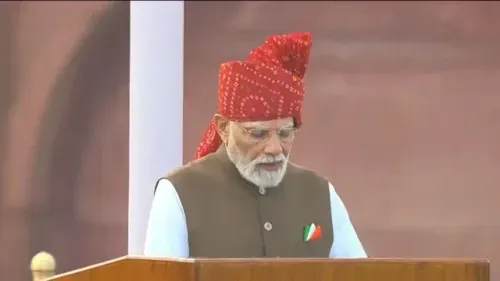
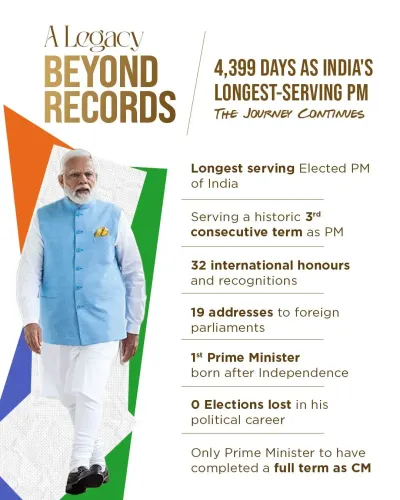
Some political tributes arrive wrapped in ceremony. This one cuts straight to the bone. Assam Chief Minister Himanta Biswa Sarma on Wednesday, October 7, 2026, invoked two of the most consequential decisions in modern Indian political history — the construction of the Ram Mandir in Ayodhya and the abrogation of Article 370 in Jammu and Kashmir — to frame Prime Minister Narendra Modi as a leader who converts generational aspirations into irreversible reality.
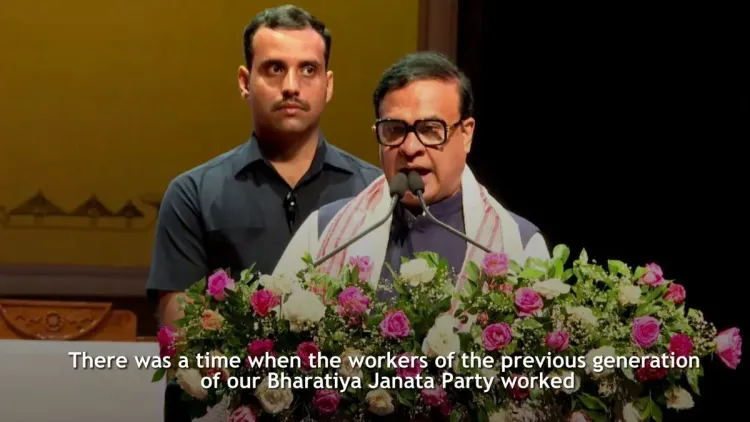
Sarma wrote: 'There are moments in history that generations wait for and then there are leaders who resolve to make them happen. From the Ram Mandir to Article 370, Adarniya Narendra Modi ji's journey has been marked by decisions that reshaped India's history.' The post, accompanied by a video, carried the unmistakable register of a formal political tribute — deliberate, sweeping, and squarely aimed at cementing a historical legacy narrative around the BJP's central figure.
Ram Mandir and Article 370: the twin pillars of BJP's historical promise
The two decisions Sarma chose are not incidental. For decades, the construction of a Ram temple at Ayodhya and the removal of the special constitutional status granted to Jammu and Kashmir under Article 370 were the twin ideological anchors of the Bharatiya Janata Party. Both were long-held electoral promises that critics and supporters alike treated as perpetually deferred — too politically combustible to actually execute.
The Supreme Court's 2019 Ayodhya verdict cleared the legal path for the temple. Construction followed, and the consecration ceremony in January 2024 drew global attention, with Modi performing the 'pran pratishtha' ritual — a moment his government and the BJP positioned as the culmination of a civilisational aspiration centuries in the making. The abrogation of Article 370 came in August 2019, stripping Jammu and Kashmir of its special status and bifurcating the state into two Union Territories. The move was upheld by the Supreme Court in December 2023.
Sarma's role as NEDA convenor and the tribute's political weight
Sarma is not merely a state-level voice. As convenor of the North-East Democratic Alliance (NEDA), the BJP-led coalition framework for the Northeast, he is one of the party's most influential regional architects — a leader who has himself navigated high-stakes decisions in Assam, from the National Register of Citizens (NRC) implementation to aggressive anti-encroachment drives. When he frames Modi's decisions as history-reshaping, it carries the credibility of someone who has administered similarly contested ground-level changes.
The tribute also arrives in a period when the BJP's long-term legacy-building rhetoric is intensifying — positioning the 2014–2024 Modi decade not just as a governance record but as a civilisational inflection point. Sarma's post slots cleanly into that architecture: two landmark decisions, two broken political impossibilities, one leader's name at the centre.
History, as Sarma frames it, doesn't just happen. It takes someone willing to make it happen — and his message leaves little ambiguity about who he believes that person is.
Point of View
Sarma reinforces the party's central argument: that the Modi era delivered where every preceding government hesitated. The framing also quietly elevates Sarma himself — as a regional leader who recognises and amplifies civilisational milestones, he positions his own governance philosophy as continuous with Modi's. Watch for similar legacy-consolidation messaging to intensify as the BJP manages the post-2024 succession discourse.
NationPress
7 Oct 2026
Frequently Asked Questions
Why did Himanta Biswa Sarma praise Narendra Modi on October 7 2026?
Assam CM Himanta Biswa Sarma posted a tribute to PM Modi on October 7, 2026, crediting him with history-reshaping decisions — specifically the Ram Mandir consecration in Ayodhya and the abrogation of Article 370 in Jammu and Kashmir.
What is the Ram Mandir that Himanta Sarma mentioned?
The Ram Mandir is a Hindu temple built in Ayodhya at the site long claimed as the birthplace of Lord Ram. Following a Supreme Court verdict in 2019, construction proceeded and PM Modi performed the 'pran pratishtha' (consecration) ceremony in January 2024.
What was Article 370 and when was it abrogated?
Article 370 granted Jammu and Kashmir a special constitutional status, including its own constitution and autonomy over most matters. The Modi government abrogated it in August 2019, bifurcating the state into two Union Territories. The Supreme Court upheld the decision in December 2023.
Who is Himanta Biswa Sarma and what is NEDA?
Himanta Biswa Sarma is the Chief Minister of Assam and a senior BJP leader. He is also the convenor of the North-East Democratic Alliance (NEDA), the BJP-led political coalition that manages the party's alliances across the eight northeastern states of India.
What is the political significance of Sarma's tribute to Modi?
The tribute reflects the BJP's sustained effort to frame the 2014–2024 Modi decade as a civilisational turning point, using landmark decisions like the Ram Mandir and Article 370 abrogation to build a historical legacy narrative around the Prime Minister.