CM Himanta hails full Vande Mataram at Red Fort on Independence Day
Synopsis
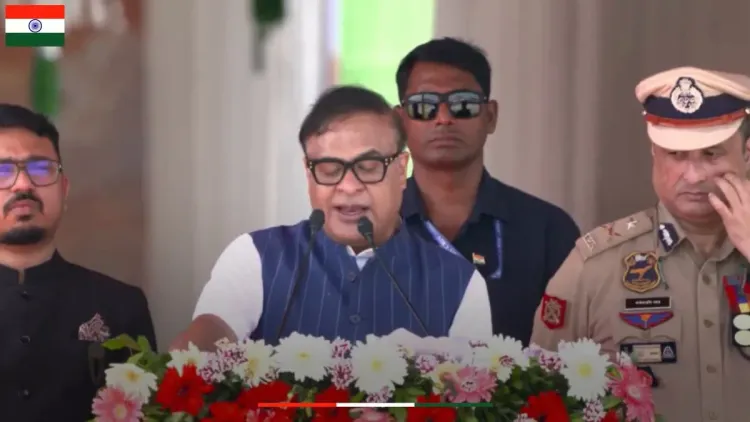
Assam Chief Minister Himanta Biswa Sarma hailed the singing of the complete Vande Mataram at the Red Fort on 15 August 2026 as historic, marking India's 80th year of independence with a pointed cultural statement.
Key Takeaways
Assam CM Himanta Biswa Sarma posted on X on 15 August 2026 calling the event historic.
The complete Vande Mataram — India's national song — was described as having been sung at the Red Fort during Independence Day celebrations.
India marked 80 years of independence on this date.
The Red Fort has hosted the Prime Minister's Independence Day address and flag-hoisting since 1947 .
Sarma, as convenor of NEDA , is the BJP's most prominent voice in the north-east and a consistent amplifier of cultural-nationalist themes.
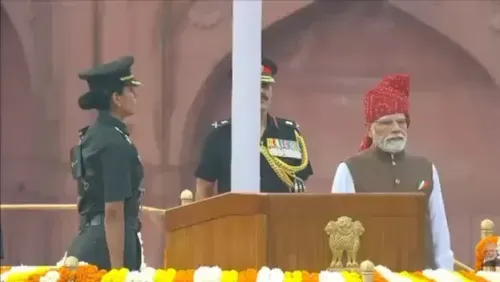
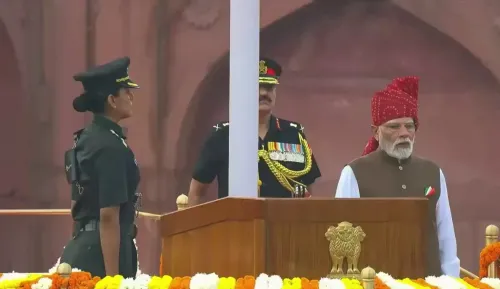
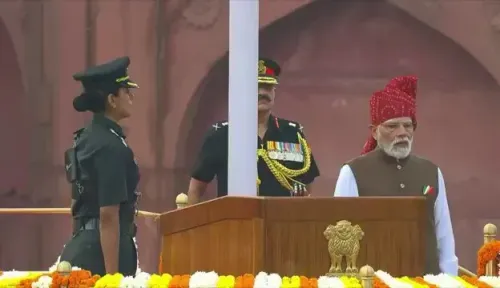
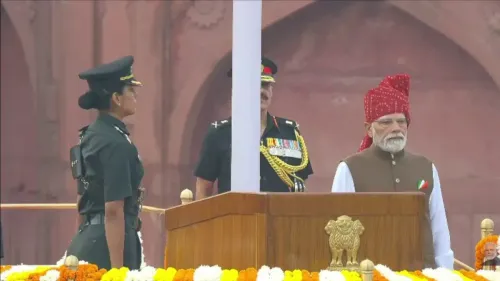
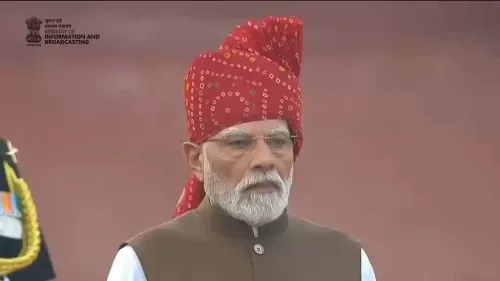
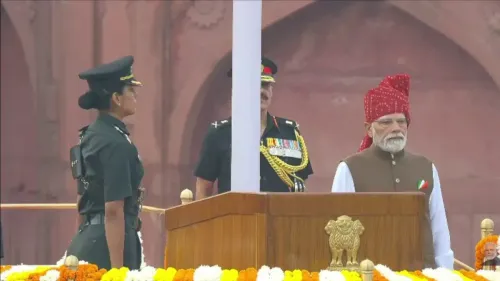
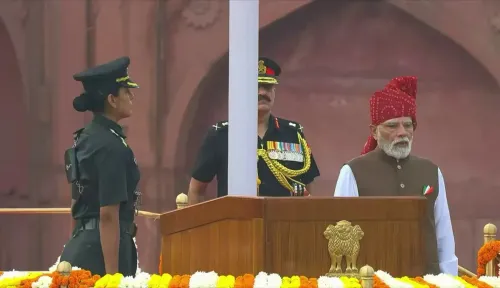
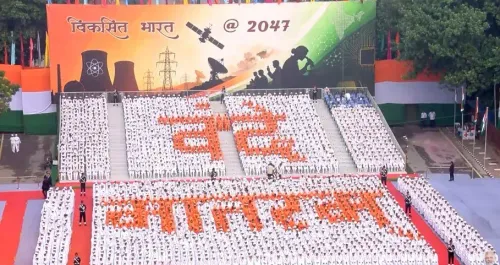
Eighty years after India won its freedom, Assam Chief Minister Himanta Biswa Sarma marked Independence Day, 15 August 2026, by calling the singing of the complete national song Vande Mataram at the Red Fort in New Delhi a historic moment for the nation.
Sarma posted on X with the words 'वन्दे मातरम् 🇮🇳 स्वतंत्रता के 80 साल बाद आज लाल किले में संपूर्ण राष्ट्रगीत गाया जाना ऐतिहासिक रहा' — translating to: 'Vande Mataram. Eighty years after independence, the singing of the complete national song at the Red Fort today was historic.' The post, accompanied by a video, was widely noted as a statement of cultural and national pride from one of the BJP's most prominent regional leaders.
Vande Mataram at the Red Fort: what made it stand out
Vande Mataram, composed by Bankim Chandra Chattopadhyay in the nineteenth century, carries deep resonance in India's freedom movement — it was the rallying cry of the independence struggle long before 1947. While the national anthem Jana Gana Mana is a fixture of the Red Fort ceremony, the performance of the full Vande Mataram — India's national song — at the same venue drew particular attention this year, prompting leaders like Sarma to describe it as a milestone.
The Red Fort has been the stage for India's Independence Day address since the very first celebration in 1947, when the Prime Minister's flag-hoisting and national address became a fixed constitutional and cultural ritual. Regional leaders across the country routinely engage with the event publicly, but Sarma's framing — anchoring the moment to the 80-year milestone of independence — gave it the weight of a generational reckoning.
Sarma's voice in the national conversation
As Chief Minister of Assam and convenor of the North-East Democratic Alliance (NEDA), Sarma occupies a unique position: he is simultaneously the BJP's most visible face in the north-east and a consistent amplifier of the party's cultural-nationalist messaging on national platforms. His framing of the Vande Mataram performance as 'historic' fits a broader pattern of the ruling dispensation emphasising cultural continuity and reclamation at landmark anniversaries.
For the north-east — a region where questions of identity, belonging, and integration with the Indian mainstream have long been contested — a leader of Sarma's stature publicly celebrating a pan-Indian cultural moment carries particular symbolic weight.
Eighty years in, India's Independence Day ceremonies continue to be read not just as ritual, but as political text — and this year, a song sung at a fort in Delhi reverberated all the way to Guwahati.
Point of View
Not merely a civic observation — framing the performance of Vande Mataram as 'historic' elevates a ceremonial moment into a political milestone consistent with the BJP's broader project of centering pre-constitutional nationalist symbols in state occasions. For a leader who governs a region where identity and integration are live fault lines, publicly celebrating pan-Indian cultural moments serves a dual purpose: consolidating his national standing within the party while reinforcing a message of north-eastern belonging to the Indian mainstream. The '80 years' hook is also strategic — landmark anniversaries invite retrospective and prospective framing, giving leaders room to claim credit for cultural continuity.
NationPress
30 Sept 2026
Frequently Asked Questions
What did Himanta Biswa Sarma say about Independence Day 2026?
Assam Chief Minister Himanta Biswa Sarma called the singing of the complete Vande Mataram at the Red Fort on 15 August 2026 'historic', marking India's 80th year of independence.
Was Vande Mataram sung at the Red Fort on Independence Day 2026?
According to CM Sarma's post on X, the full Vande Mataram — India's national song — was sung at the Red Fort during the Independence Day ceremony on 15 August 2026.
What is the difference between Vande Mataram and Jana Gana Mana?
Jana Gana Mana is India's national anthem, while Vande Mataram is the national song. Both carry constitutional and cultural significance, but Jana Gana Mana is the one routinely performed at official state functions.
Why is the Red Fort significant on Independence Day?
The Red Fort in Delhi has been the site of India's Independence Day flag-hoisting and the Prime Minister's national address every year since the first Independence Day in 1947.
Who is Himanta Biswa Sarma?
Himanta Biswa Sarma is the Chief Minister of Assam and a senior BJP leader. He also serves as the convenor of the North-East Democratic Alliance (NEDA), making him the party's most prominent figure in the north-eastern region.