CM Himanta Hands Ex-Gratia to Assam Flood Victims' Families
Synopsis
Assam Chief Minister Himanta Biswa Sarma personally distributed ex-gratia payments to families of flood victims on August 3, 2026, calling it the hardest part of his day and pledging the state would stand by bereaved families like their own.
Key Takeaways
Assam CM Himanta Biswa Sarma personally handed ex-gratia payments to flood victims' families on August 3, 2026 .
Sarma described the handover as 'the hardest part of the day,' signalling direct executive involvement in disaster relief.
Payments are disbursed under the State Disaster Response Fund (SDRF) , the standard mechanism for flood fatality compensation in Assam.
Assam faces recurring annual floods from the Brahmaputra river system, making such relief operations a seasonal administrative reality.
The CM pledged continued support to bereaved families, framing state responsibility in personal, not merely administrative, terms.
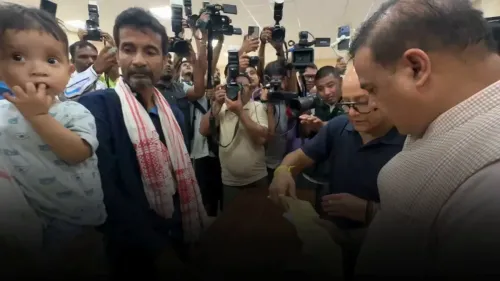
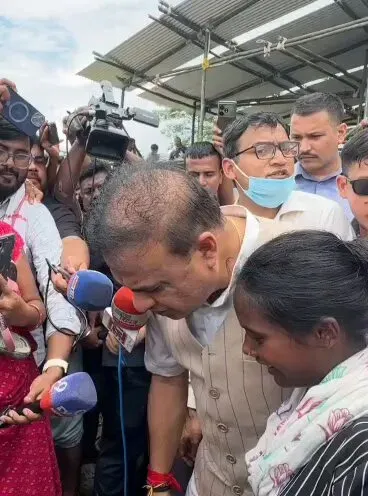
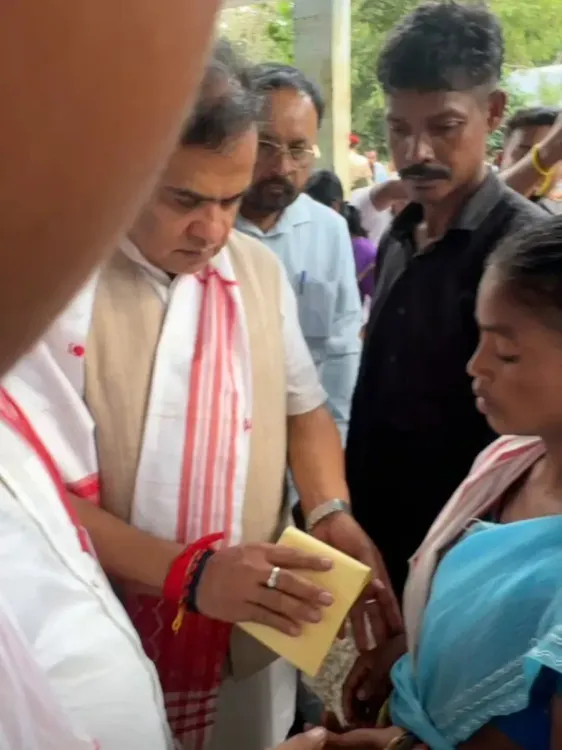
The weight of the moment was unmistakable. Assam Chief Minister Himanta Biswa Sarma on Monday, August 3, 2026, described personally handing over ex-gratia payments to families who lost loved ones in the ongoing floods as 'the hardest part of the day' — a rare, unguarded admission from a sitting chief minister in the middle of a disaster response.
Posting under #AssamFloodResponse, Sarma wrote: 'We can never replace the void created in their lives but will always be with them, like their family and look after their well being.' The line is not boilerplate. It is the language of a government trying to hold grieving households together when the paperwork runs out.
Ex-Gratia Under the State Disaster Response Fund
The payments are routed through the State Disaster Response Fund (SDRF), the standard federal-state mechanism that Assam has activated every monsoon season for years. Under this framework, families of flood fatalities are entitled to compensation as a matter of policy — not charity. The chief minister's personal involvement in the handover, however, signals a deliberate political and humanitarian choice: to put a face, not just a cheque, in front of bereaved families.
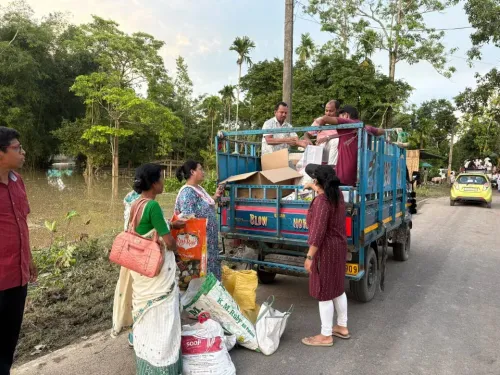
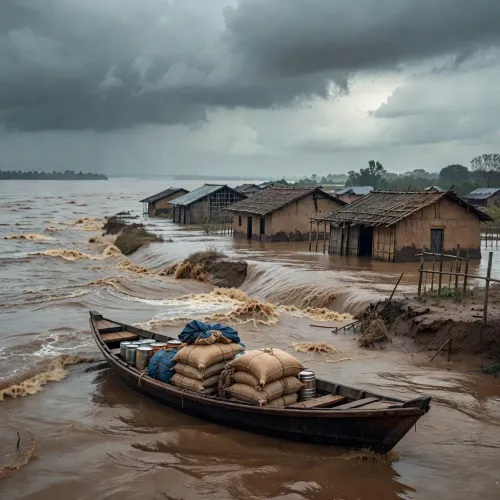
Assam sits in the floodplain of the Brahmaputra, one of the world's largest river systems, and its tributaries. Annual inundation is not an anomaly — it is a structural reality. Districts across the state lose lives, livestock, and cropland to floodwaters with grim regularity each monsoon, and state administrations have for decades responded with the same sequence: rescue, relief, ex-gratia, rehabilitation.
What the State Has Promised Beyond the Cheque
Sarma's post stops short of announcing specific figures or a broader relief package, and exact payment amounts from this season remain unconfirmed. But the commitment framed publicly — 'always be with them, like their family' — sets an expectation the government will now be held to. Watchers of Assam's disaster policy will look for follow-through: embankment reinforcement plans, long-term rehabilitation announcements, and whether the SDRF disbursements reach the most remote flood-hit households before the season turns.
Grief, in a flood year, is not a single event. It compounds. The chief minister's acknowledgement of that — on a public platform, in the middle of active operations — is the kind of signal bereaved communities rarely receive from the administrative machinery. Whether the state sustains that promise through the weeks ahead is the question that matters most.
Point of View
And this monsoon season will be no different a test.
NationPress
18 Sept 2026
Frequently Asked Questions
What is ex-gratia payment for flood victims in Assam?
Ex-gratia payments are fixed monetary compensations provided by the Assam government to families of people who die in floods, disbursed under the State Disaster Response Fund (SDRF) framework.
Why did CM Himanta Biswa Sarma personally hand over flood relief payments?
Sarma chose to personally distribute the payments to bereaved families as part of the state's active flood response, describing it as 'the hardest part of the day' and pledging continued support to affected households.
How does Assam handle flood relief for victims' families?
Assam activates the State Disaster Response Fund each monsoon season to provide ex-gratia compensation to flood fatality families, alongside rescue and rehabilitation operations.
Why does Assam flood every year?
Assam sits in the floodplain of the Brahmaputra, one of the world's largest river systems. Annual monsoon rains cause the Brahmaputra and its tributaries to overflow, inundating large parts of the state every year.
What is the State Disaster Response Fund (SDRF)?
The SDRF is a government fund maintained by each Indian state to finance immediate disaster relief, including ex-gratia payments to victims' families, rescue operations, and rehabilitation assistance.