CM Himanta waives post-mortems for Assam flood victims, fast-tracks ex-gratia
Synopsis
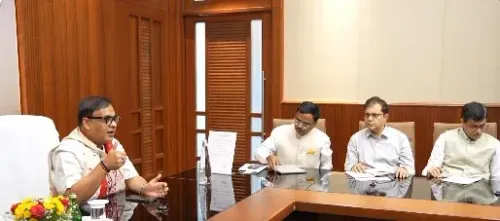
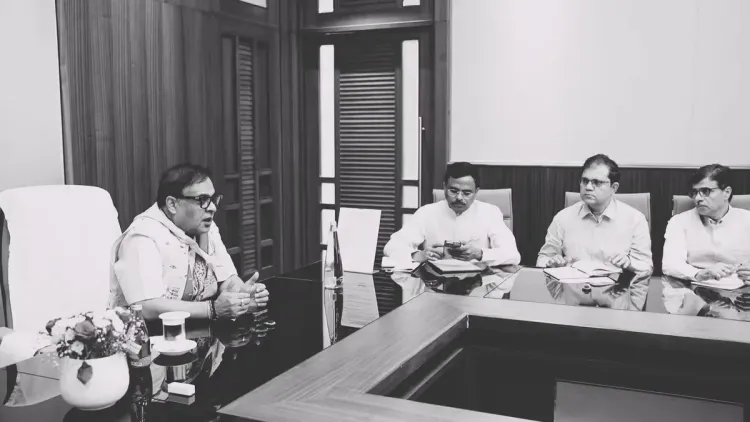
Assam CM Himanta Biswa Sarma has waived post-mortems for flood victims and ordered immediate release of ex-gratia assistance, directing the state administration to prioritise compassion over procedural formality during the ongoing flood crisis.
Key Takeaways
Assam CM Himanta Biswa Sarma directed that post-mortems be waived for flood victims to spare families additional anguish.
Ex-gratia assistance under the State Disaster Response Fund will be released without avoidable procedural delays.
The directive was announced on Tuesday, July 28, 2026 via a post on X.
Assam experiences severe annual flooding from the Brahmaputra and its tributaries, making emergency relief directives a recurring administrative necessity.
Under the Disaster Management Act, 2005 , states are empowered to disburse SDRF funds to disaster-affected families.
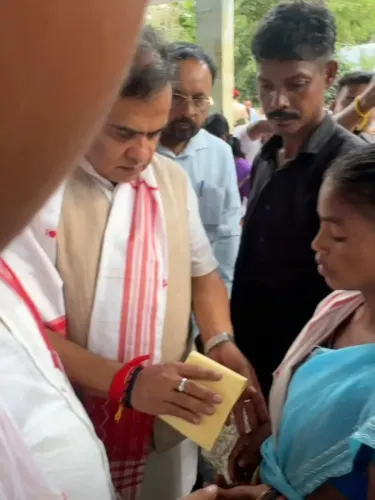
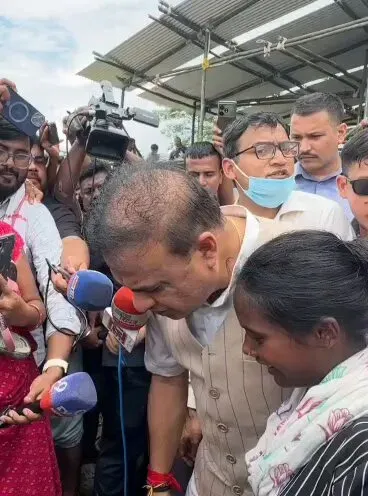
Every monsoon, Assam buries its dead — and then, too often, buries grieving families in paperwork. Assam Chief Minister Himanta Biswa Sarma moved on Tuesday, July 28, 2026 to cut through that, directing that post-mortems be waived for flood victims and that ex-gratia payments reach families without procedural delay.
Posting on X, the Chief Minister stated plainly: 'During a crisis, our response must be guided by compassion, not bureaucracy.' The directive covers two distinct pressure points that families face in the immediate aftermath of a flood death — the trauma of a mandatory post-mortem, and the grinding wait for financial relief.
What the waiver means for grieving families
Under normal circumstances, unnatural or accidental deaths in India — including drowning — typically require a post-mortem examination before a death certificate is issued. For flood victims, that process can delay burial or cremation by hours or days, compounding grief at its sharpest moment. By waiving the requirement, the state government allows families to complete last rites without institutional obstruction. The ex-gratia component draws from a well-established legal framework. Under the Disaster Management Act, 2005, Indian states channel financial assistance to disaster victims' families through the State Disaster Response Fund (SDRF). Assam has invoked this mechanism in previous flood seasons; the Chief Minister's directive this week is aimed at removing 'avoidable procedural delays' that have historically slowed disbursement even when funds are available.Assam's annual reckoning with the Brahmaputra
Assam sits in the floodplain of the Brahmaputra and its dozens of tributaries — a geography that makes severe annual flooding not an exception but a calendar certainty. Successive governments have issued emergency directives during peak monsoon periods, balancing regulatory requirements against the immediate humanitarian imperative. What Sarma's order signals is a deliberate administrative posture: in an active crisis, speed and dignity take precedence over process. The specific scale of the 2026 flood event — victim numbers, districts affected — is still emerging. What is already clear is the government's stated intent: get money to families fast, and spare them the added anguish of bureaucratic ritual at the worst moment of their lives. For the families waiting on both sides of that equation, the directive is only as good as its execution — and that clock is already running.Point of View
While legally routine, inflicts measurable harm during active disasters. It fits a broader pattern across Indian states of chief ministers issuing emergency relaxations to demonstrate administrative responsiveness during monsoon crises. The political optics are deliberate: leading with the word 'compassion' frames the state not as a rule-enforcing machine but as a responsive protector. Whether the ex-gratia payments actually reach families at speed will determine whether this is genuine reform or well-worded intent — and that accountability gap is exactly what opposition parties will watch.
NationPress
27 Oct 2026
Frequently Asked Questions
Why has Assam waived post-mortems for flood victims?
Assam CM Himanta Biswa Sarma waived the post-mortem requirement to spare grieving families additional trauma and delay in completing last rites after flood deaths.
What is ex-gratia assistance for flood victims in Assam?
Ex-gratia assistance is financial compensation paid to families of flood victims from the State Disaster Response Fund (SDRF), as provided under the Disaster Management Act, 2005.
Is a post-mortem mandatory for flood deaths in India?
Generally, accidental or unnatural deaths including drowning require a post-mortem under Indian law, but state governments can waive this requirement during declared disasters to ease the burden on affected families.
What is the State Disaster Response Fund (SDRF)?
The SDRF is a fund established under the Disaster Management Act, 2005, through which state governments provide financial relief to families affected by natural disasters such as floods.
How often does Assam face severe flooding?
Assam experiences severe annual flooding during the monsoon season due to its location in the floodplain of the Brahmaputra river and its tributaries, displacing hundreds of thousands of people each year.