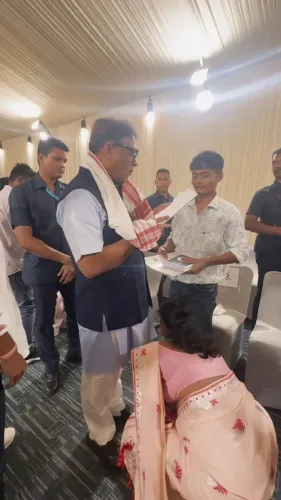
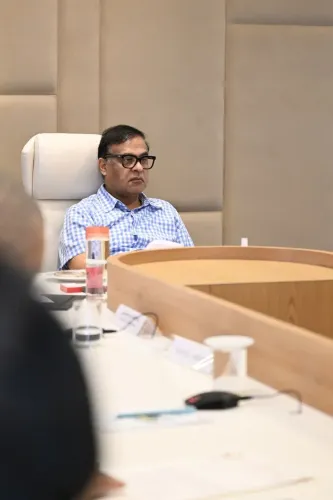
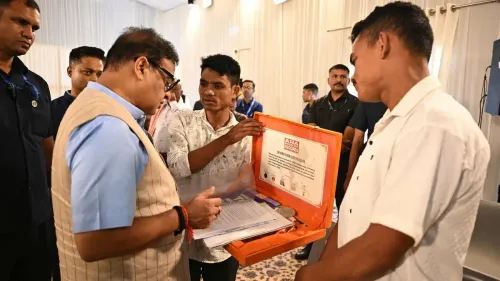
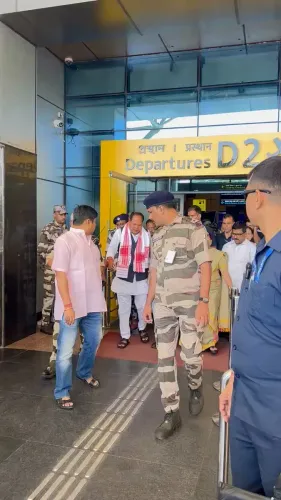
CM Himanta Chairs Two Key Meetings in Dibrugarh on Indigenous Land Rights
Synopsis
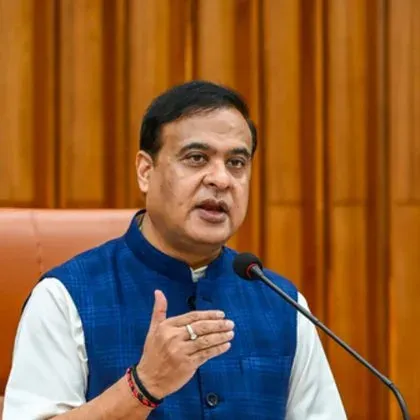
Chief Minister Dr Himanta Biswa Sarma chaired two crucial meetings in Dibrugarh on 29 October 2026 to safeguard indigenous land rights — reviving the Assam Accord's four-decade-old promise to protect communities from encroachment in Upper Assam.
Key Takeaways
CM Dr Himanta Biswa Sarma personally chaired two meetings in Dibrugarh on 29 October 2026 focused on indigenous land rights.
The meetings address provisions of the Assam Accord of 1985 , which mandated protection of indigenous Assamese land and cultural rights.
Dibrugarh in Upper Assam is a key district with mixed indigenous demographics and a history of land-ownership disputes.
The BJP-led Assam government under Sarma has pursued administrative land surveys and enforcement drives since 2021 .
Follow-up orders or legislation from these meetings may be tabled in the upcoming Assam Assembly session .
Indigenous land rights in Assam moved to centre stage on Thursday, 29 October 2026, when Chief Minister Dr Himanta Biswa Sarma travelled to Dibrugarh in Upper Assam to chair two back-to-back meetings focused on protecting the land claims of indigenous communities — a question that has dogged the state's politics for four decades.
Why Dibrugarh, and Why Now
Dibrugarh sits at the heart of Upper Assam — a region layered with tea estates, oil installations, and mixed indigenous demographics that make land-ownership disputes among the most charged issues in the state. Hosting the meetings in the district, rather than in Guwahati, signals a deliberate on-the-ground approach by the Chief Minister's Office. The Assam Accord of 1985, signed to end the six-year Assam Agitation, embedded provisions for safeguarding the land and cultural rights of indigenous Assamese — but enforcement has remained contested ever since.
A Four-Decade Promise Under the Assam Accord
The 1985 Assam Accord was more than a ceasefire — it was a constitutional commitment to demographic and land security for communities that felt squeezed by migration-driven pressures. Successive state governments have periodically revived survey drives, issued land-protection orders, and flagged encroachments, particularly in Upper Assam districts. Dr Sarma's BJP administration, since coming to power in 2021, has consistently framed administrative action on land surveys and enforcement as fulfilment of the Accord's unfinished agenda — a line that resonates sharply in constituencies like Dibrugarh.
Pattern of Executive Attention in Upper Assam
These two meetings fit a well-established rhythm: the current government has repeatedly convened district-level executive reviews to fast-track land-protection measures, particularly in areas flagged for encroachment or disputed title. Tribal landholders and indigenous community groups across Upper Assam are the direct stakeholders watching for any orders or directives that emerge. What distinguishes today's session is the personal presence of the Chief Minister himself — a signal, at minimum, that the outcomes will carry political weight beyond routine administration.
The Assam Assembly session calendar will be the first place to watch for legislative follow-through, should the Dibrugarh meetings produce actionable recommendations. For now, the state has put indigenous land rights firmly on the front page — and in the Chief Minister's diary.
Point of View
Tying day-to-day governance to the unfinished business of the 1985 Assam Accord. By travelling to Upper Assam rather than convening in the capital, the Chief Minister reinforces a field-governance optic that has become a political signature of his tenure. Any concrete directives emerging from these sessions will be read closely as a measure of how substantively — versus symbolically — the BJP administration intends to advance Accord implementation ahead of potential assembly deliberations.
NationPress
29 Oct 2026
Frequently Asked Questions
Why did CM Himanta Biswa Sarma hold meetings in Dibrugarh on indigenous land rights?
CM Dr Himanta Biswa Sarma chaired two meetings in Dibrugarh on 29 October 2026 to address the protection of indigenous land rights in Upper Assam — an issue rooted in the Assam Accord of 1985, which committed the government to safeguarding indigenous communities from land encroachment.
What is the Assam Accord and how does it relate to land rights?
The Assam Accord, signed in 1985 to end the Assam Agitation, includes provisions for protecting the land and cultural rights of indigenous Assamese people against demographic pressures and encroachment, commitments that state governments have periodically acted on since.
What is the significance of holding these meetings in Dibrugarh specifically?
Dibrugarh is a major district in Upper Assam with complex indigenous demographics, tea estates, and a history of land disputes, making it a symbolic and practical focal point for any state-level action on indigenous land protection.
What actions has the Assam government taken on indigenous land rights since 2021?
Since CM Sarma took office in 2021, the Assam government has conducted land surveys, issued enforcement orders against encroachments, and convened district-level executive reviews — particularly in Upper Assam — framing these as steps towards fulfilling the Assam Accord.
What outcomes are expected from the Dibrugarh meetings?
Specific decisions from the meetings have not yet been disclosed, but follow-up administrative orders or potential legislation could emerge in the Assam Assembly session, making those forums the key places to watch for concrete outcomes.