CM Himanta honours Marwari Databya Aushadhalaya's 110-year legacy
Synopsis
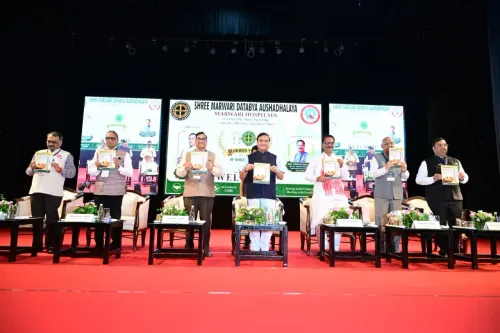
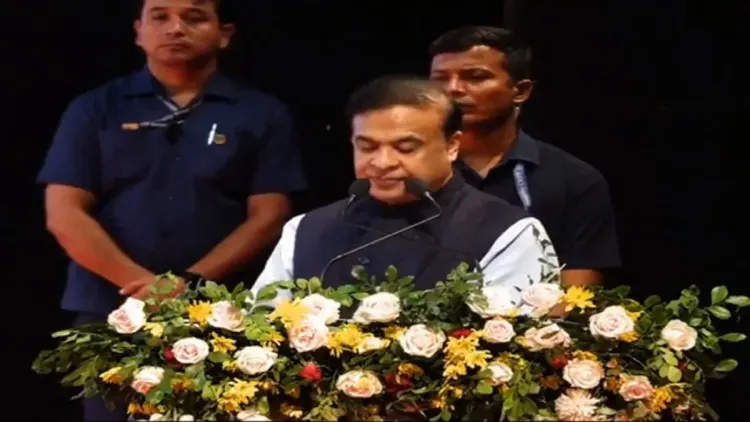
Chief Minister Himanta Biswa Sarma addressed the 110-year legacy celebration of Shree Marwari Databya Aushadhalaya in Assam, recognising the Marwari community's century-long contributions to the state's culture, literature, and socio-economic progress.
Key Takeaways
CM Himanta Biswa Sarma addressed the 110-year celebration of Shree Marwari Databya Aushadhalaya on 26 June 2026 .
The Aushadhalaya was founded around 1916 in Guwahati as a community-funded charitable dispensary providing low-cost or free medical services.
CM Sarma highlighted the Marwari community's contributions to Assam's culture, literature, and socio-economic development .
The Marwari community, originally from Rajasthan , has maintained a philanthropic and commercial presence in Northeastern India for over a century.
The event reflects Assam's broader pattern of state-level recognition of community-run institutions in healthcare and education.
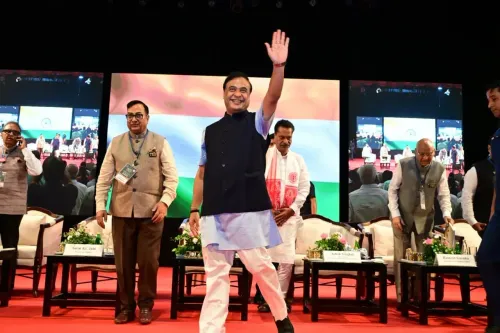
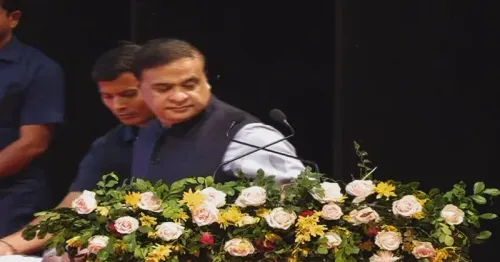
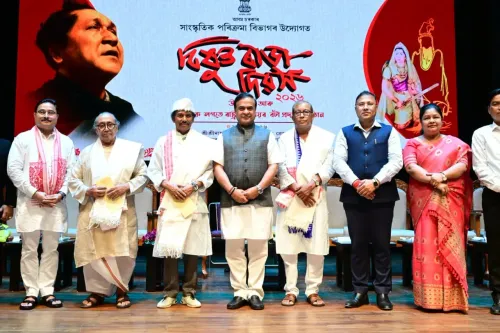
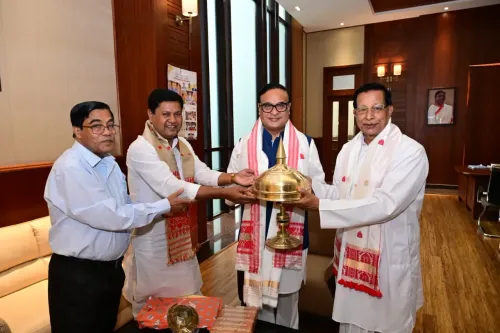
The Chief Minister's Office of Assam on Friday, 26 June 2026, shared that Chief Minister Dr. Himanta Biswa Sarma addressed the celebration marking the 110-year legacy of Shree Marwari Databya Aushadhalaya, highlighting the Marwari community's enduring contributions to Assam's culture, literature, and socio-economic development.
Context
Shree Marwari Databya Aushadhalaya was established around 1916 as a community-funded charitable dispensary in Guwahati, serving residents of the city and surrounding areas with low-cost or free medical services. The institution's centennial-plus milestone is considered a significant marker of the Marwari community's deep-rooted presence in Assam's civic and social fabric. The event brought together community members and state leadership to commemorate over a century of uninterrupted philanthropic service.
Policy Backdrop
CM Sarma, who has served as Chief Minister since 2021, has consistently used public platforms to acknowledge the role of long-settled trading and migrant communities in shaping Assam's economy and social institutions. The Marwari community, originally from Rajasthan, has maintained a presence in Northeastern India for well over a century through commerce, philanthropy, and cultural institutions. Assam governments across administrations have periodically hosted events recognising such contributions, particularly from institutions founded in the early twentieth century by Marwari, Bengali, and other communities.
The Aushadhalaya's founding in 1916 predates Indian independence, placing it among the oldest community-run charitable health institutions in the region. Such organisations have historically supplemented state-run healthcare infrastructure, particularly in urban centres like Guwahati.
Stakeholders and Impact
The primary beneficiaries of the Aushadhalaya's services over its 110-year history have been low-income residents of Guwahati and nearby areas who rely on subsidised or free medical care. The Marwari community's philanthropic network in Assam spans healthcare, education, and cultural preservation, making it a significant non-state actor in the region's social development landscape. CM Sarma's address signals continued state recognition of private and community-led contributions to public welfare.
The event also carries symbolic weight in the context of Assam's complex ethnic and demographic landscape, where inclusive acknowledgement of diverse communities' contributions is a recurring theme in state-level political engagements.
What's Next
The state government's engagement with institutions like Shree Marwari Databya Aushadhalaya points to a broader pattern of recognising community-run hospitals and schools as partners in Assam's development narrative. Observers will watch for any formal announcements expanding public-private partnerships in the state's health sector following such high-profile engagements. Further state-level recognitions of similar century-old institutions founded by migrant communities in Assam are also anticipated in the coming months.
Point of View
A state where ethnic and demographic questions remain politically sensitive. By publicly crediting the Marwari community's role in culture, literature, and socio-economic development, the Chief Minister positions the state government as an inclusive broker among Assam's diverse populations. This engagement also fits a wider pattern of leveraging community philanthropy to supplement state-delivered healthcare, implicitly endorsing public-private models without formal policy commitments. The timing and visibility of such events suggest the administration views cultural recognition as a low-cost, high-signal tool for managing inter-community relations.
NationPress
26 Jun 2026
Frequently Asked Questions
What is Shree Marwari Databya Aushadhalaya?
Shree Marwari Databya Aushadhalaya is a charitable hospital founded around 1916 in Guwahati, Assam, by the Marwari community to provide low-cost or free medical services to residents of the city and surrounding areas.
Why did CM Himanta Biswa Sarma attend the Marwari Aushadhalaya event?
CM Himanta Biswa Sarma attended to address the celebration of the institution's 110-year legacy, where he highlighted the Marwari community's contributions to Assam's culture, literature, and socio-economic development.
What is the Marwari community's role in Assam?
The Marwari community, originally from Rajasthan, has been present in Assam for over a century, contributing significantly to trade, commerce, philanthropy, and the establishment of cultural and healthcare institutions.
How old is Shree Marwari Databya Aushadhalaya in 2026?
As of 2026, Shree Marwari Databya Aushadhalaya is approximately 110 years old, having been established around 1916.
What is the significance of community-run hospitals in Assam?
Community-run hospitals like Shree Marwari Databya Aushadhalaya have historically supplemented state healthcare infrastructure in Assam, serving low-income populations in Guwahati and nearby areas for over a century.