Goyal: India moved from 'Fragile Five' to world's top opportunity
Synopsis
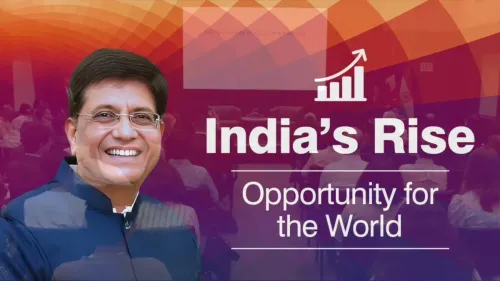
Commerce Minister Piyush Goyal has declared that India, once labelled among the 'Fragile Five' vulnerable economies in 2013, is now the world's foremost growth opportunity — crediting structural reforms under PM Narendra Modi's government since 2014.
Key Takeaways
Piyush Goyal posted on 26 June 2026 crediting PM Modi 's leadership for India's economic transformation.
The 'Fragile Five' label was coined by Morgan Stanley in 2013 , grouping India with economies vulnerable to capital outflows and currency stress.
Post-2014 reforms included Make in India , GST , and multiple rounds of FDI liberalisation .
India is now the fifth-largest economy by nominal GDP and is frequently cited in multilateral forums as a leading emerging-market growth pole.
The minister's statement is likely to resonate with global investors and Indian exporters watching India's macro stability credentials.
Next GDP and FDI data releases will be key tests of the 'biggest opportunity' narrative.
Union Commerce and Industry Minister Piyush Goyal on Friday, 26 June 2026, credited Prime Minister Narendra Modi's leadership with transforming India's global economic standing — from a country once labelled among the 'Fragile Five' to one now widely regarded as the world's foremost investment and growth opportunity.
Context
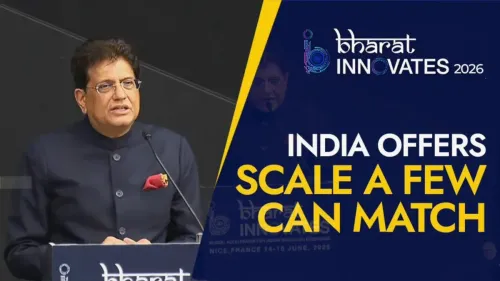
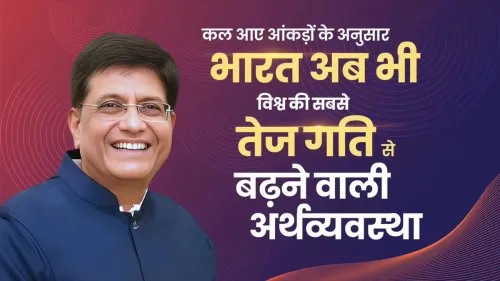
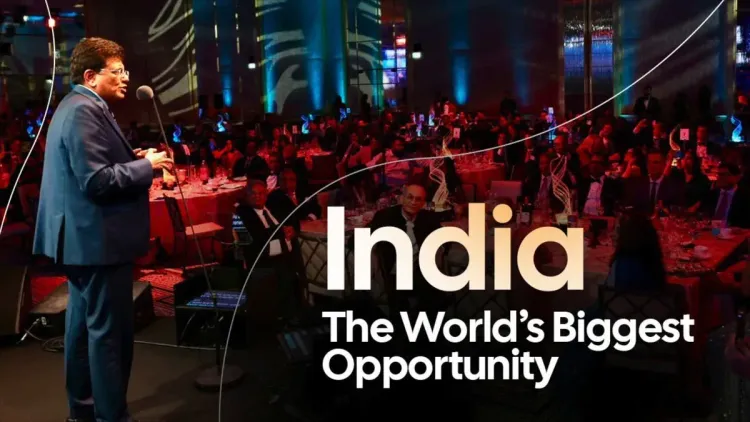
Posting on X, Goyal wrote: 'Under PM Modi ji's leadership, India moved from the Fragile Five to being recognised as the world's biggest opportunity. And this is just the beginning.' The message was accompanied by a video and the Indian tricolour emoji, underscoring a note of national pride.
The phrase 'Fragile Five' was coined by Morgan Stanley analysts in 2013 to describe five emerging-market economies — including India — seen as acutely vulnerable to capital flight, currency depreciation and current-account stress. At the time, India's rupee was under severe pressure and its current-account deficit had widened sharply.
Policy Backdrop
After 2014, the Modi government launched a series of structural interventions aimed at stabilising the macroeconomic framework and improving India's investment climate. These included the Make in India initiative (2014), the rollout of the Goods and Services Tax in 2017, and successive rounds of foreign direct investment (FDI) liberalisation across sectors.
Complementary measures — inflation targeting through the Reserve Bank of India's monetary policy framework, fiscal consolidation, and the build-out of digital public infrastructure — helped narrow external vulnerabilities. Successive editions of the Economic Survey and multilateral assessments, including at the G20 and IMF consultations, have reflected India's improved standing on competitiveness and ease-of-doing-business indices.
Goyal, as the minister overseeing trade and investment policy and as Leader of the House in the Rajya Sabha, has been a consistent voice in projecting India as a preferred destination for global capital, particularly in manufacturing and supply-chain diversification.
Stakeholders and Impact
Global investors and Indian exporters are the primary audiences for this kind of signalling. For multinational corporations reassessing supply chains — particularly those seeking alternatives to concentrated manufacturing bases — India's macro stability narrative is a key factor in location decisions.
The minister's framing also carries domestic political weight: the 'Fragile Five' label was associated with the pre-2014 period, and invoking it serves to draw a sharp contrast with the current government's economic record. Such messaging typically intensifies ahead of major bilateral trade negotiations or global investor forums.
What's Next
Attention will now turn to the next quarterly GDP growth and FDI inflow data releases, which will either reinforce or complicate the 'world's biggest opportunity' framing. Any follow-up statements from Goyal at multilateral trade meetings or investor summits will be closely watched as indicators of whether this post signals a broader government communications push on the economic narrative.
Point of View
Internationally sourced benchmark rather than a self-generated metric. The timing, absent a specific policy announcement, suggests this is part of a sustained government effort to shape the global investor perception of India ahead of trade negotiations or multilateral summits. The 'this is just the beginning' coda signals that the government intends to press this growth story as a forward-looking electoral and diplomatic asset.
NationPress
26 Jun 2026
Frequently Asked Questions
What was the Fragile Five and was India part of it?
The 'Fragile Five' was a term coined by Morgan Stanley in 2013 for five emerging economies — including India — considered highly vulnerable to capital outflows, currency depreciation and current-account deficits. India was included due to a wide current-account deficit and a sharply depreciating rupee at the time.
What did Piyush Goyal say about India's economy on 26 June 2026?
Commerce Minister Piyush Goyal posted on X that under PM Modi 's leadership, India had moved from being part of the 'Fragile Five' to being recognised as the world's biggest economic opportunity, adding that 'this is just the beginning.'
What reforms helped India move past the Fragile Five label?
Key reforms after 2014 included the Make in India initiative, the introduction of the Goods and Services Tax (GST) in 2017 , successive FDI liberalisation measures, and the adoption of a formal inflation-targeting framework by the Reserve Bank of India .
What is India's current economic ranking in the world?
India is currently the fifth-largest economy by nominal GDP and is widely highlighted in global forums — including the G20 and IMF consultations — as a leading emerging-market growth destination.
Who is Piyush Goyal and what is his role?
Piyush Goyal is the Union Minister of Commerce and Industry and the Leader of the House in the Rajya Sabha . He is a senior BJP leader responsible for India's trade, investment and industrial policy.