Goyal Pitches India's Scale as Global Economic Edge
Synopsis
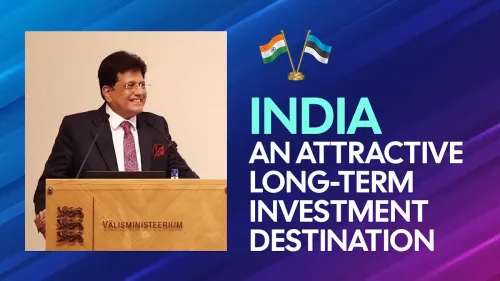
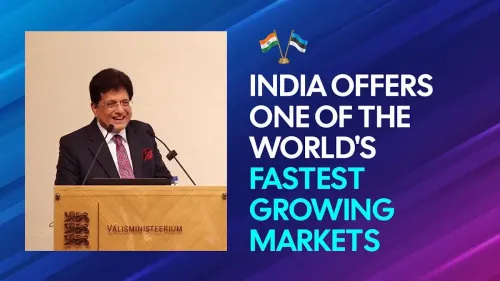
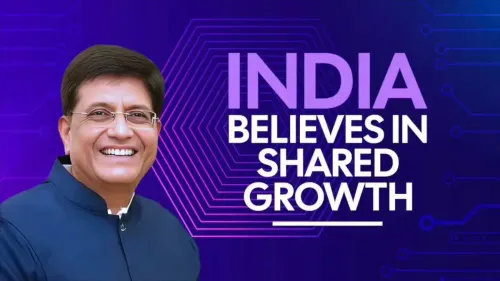
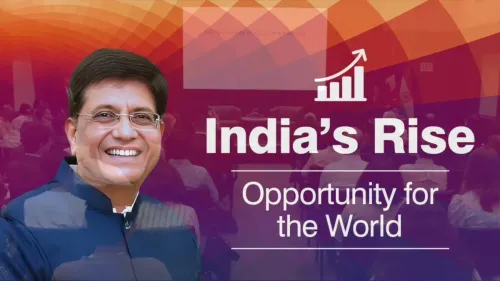
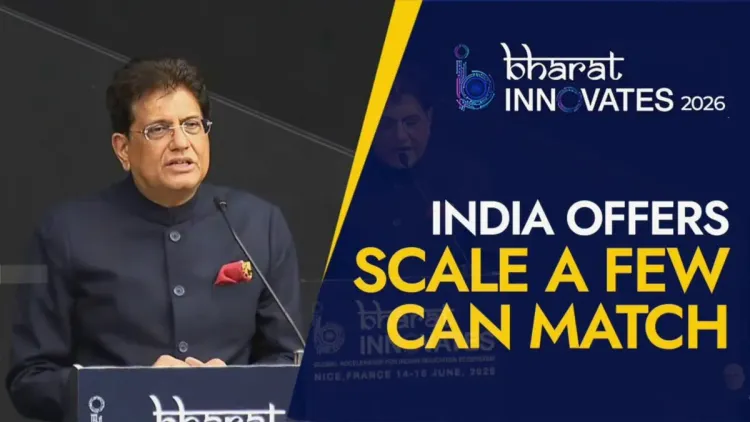
Commerce Minister Piyush Goyal on 14 June 2026 posted on X that 'India offers the world a scale that few can match,' reinforcing New Delhi's core pitch to global investors amid supply-chain diversification. The message aligns with Make in India, PLI, and Atmanirbhar Bharat policy pillars.
Key Takeaways
Union Commerce Minister Piyush Goyal posted on 14 June 2026 that India offers a scale few countries can match, sharing a video on X.
India is the world's fifth-largest economy with a population of 1.4 billion , central to its global investment pitch.
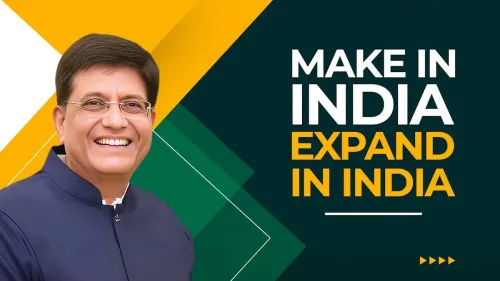
The Make in India initiative (launched September 2014 ) targets 25 sectors to boost manufacturing's share of GDP.
The PLI scheme series , active since 2020 , offers financial incentives across electronics, pharmaceuticals, and automobiles.
Global supply-chain diversification trends since 2018–2020 have heightened demand for large-scale alternative manufacturing destinations.
Quarterly FDI inflow data and upcoming G20 Trade Ministers meetings will be key indicators of how this pitch translates into policy outcomes.
Union Commerce and Industry Minister Piyush Goyal on Sunday, 14 June 2026, underscored India's unmatched scale as a defining advantage in global trade and investment, sharing a video message on X that distilled the government's core pitch to the world economy into a single line.
The minister's post — 'India offers the world a scale that few can match' — accompanied a video and encapsulates the central argument New Delhi has deployed at bilateral and multilateral forums: that India's combination of population size, market depth, and manufacturing capacity represents a proposition no competing destination can easily replicate.
Context
India is today the world's fifth-largest economy, home to 1.4 billion people, and is actively positioning itself as an alternative manufacturing and consumption hub amid accelerating global supply-chain diversification. The post arrives at a moment when multinational corporations and governments alike are actively scouting alternatives to concentrated production bases, a structural shift that gathered pace after the geopolitical and pandemic disruptions of 2018–2020.
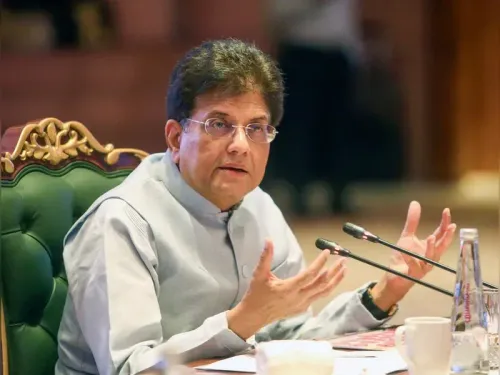
As Leader of the House in the Rajya Sabha and the minister directly responsible for trade policy and foreign direct investment promotion, Goyal has been among the most visible faces of India's economic outreach. His messaging on X has consistently mirrored the government's formal diplomatic communications, making such posts an extension of official positioning.
Policy Backdrop
The argument of scale sits at the heart of three interlocking policy pillars. The Make in India initiative, launched in September 2014, set out to raise manufacturing's share of GDP and attract investment across 25 sectors. A wave of FDI policy liberalisation in 2016–17 raised sectoral caps and introduced automatic approval routes in most industries, lowering the entry barrier for foreign capital.
More recently, the Production Linked Incentive (PLI) scheme series, rolled out from 2020 onward, has offered direct financial incentives to manufacturers in electronics, pharmaceuticals, automobiles, and other high-value sectors. Together, these measures are designed to convert India's demographic and market scale into actual production and export capacity — the very proposition Goyal's post condenses into one sentence.
The broader Atmanirbhar Bharat package, announced in May 2020, added fiscal support to these structural incentives, framing self-reliance not as protectionism but as a foundation for deeper global integration on India's own terms.
Stakeholders and Impact
The primary audience for this kind of messaging is foreign investors evaluating where to anchor their next manufacturing or sourcing footprint. MSME exporters stand to benefit if the pitch successfully draws supply-chain anchors to India, creating downstream demand for smaller domestic suppliers. The manufacturing sector broadly watches such signals as indicators of continued policy support.
For global corporations already diversifying out of concentrated supply chains, India's scale argument addresses a core concern: whether a single alternative destination can absorb the volume and complexity of what they are moving. The government's consistent answer, amplified through posts like Goyal's, is that India alone offers that depth.
What's Next
Quarterly FDI inflow data releases will be the clearest near-term test of whether the scale narrative is converting into committed capital. India's positioning at upcoming multilateral forums — including G20 Trade Ministers meetings and ongoing bilateral trade agreement negotiations — will determine how this message is operationalised in formal diplomacy.
If the linked video elaborates on specific sectors or investment targets, it could signal where the Commerce Ministry intends to focus its next phase of outreach. The consistency of Goyal's public messaging with formal policy announcements suggests that what appears as a social-media post often previews or reinforces an active diplomatic or legislative push.
Point of View
Making it a durable talking point regardless of short-term economic fluctuations. By pairing the text with a video, the ministry signals an intent to reach beyond domestic audiences to international investors and policymakers who consume such content. The post fits a broader pattern of using high-visibility social media moments to keep India top-of-mind in global capital allocation decisions, particularly as supply-chain restructuring enters a more decisive phase.
NationPress
14 Sept 2026
Frequently Asked Questions
What did Piyush Goyal post about India on 14 June 2026?
Commerce Minister Piyush Goyal posted on X that 'India offers the world a scale that few can match,' sharing a video to reinforce India's pitch as a leading global trade and investment destination.
What is India's current position in the global economy?
India is the world's fifth-largest economy with a population of 1.4 billion, positioning itself as a major alternative manufacturing and consumption hub amid global supply-chain shifts.
What is the Make in India scheme?
Make in India is a flagship manufacturing promotion programme launched in September 2014 to increase manufacturing's share of GDP and attract foreign investment across 25 sectors.
What is the PLI scheme and how does it help India?
The Production Linked Incentive scheme, rolled out from 2020, offers financial incentives to domestic manufacturers in sectors like electronics, pharmaceuticals, and automobiles to boost production and exports.
Why is India being promoted as a global manufacturing alternative?
Geopolitical tensions and pandemic-era disruptions from 2018–2020 pushed multinational companies to diversify supply chains, and India's large market, population, and policy reforms make it a strong candidate to absorb that shift.