US Senate's Digital Asset Market Clarity Act: Final bill unveiled ahead of key vote

Synopsis
The US Senate's long-negotiated Digital Asset Market Clarity Act has reached its final form, with over 126 Democratic-sought changes — including ethics curbs on elected officials and a Treasury circuit-breaker for stablecoins. A Tuesday vote could determine whether America locks in global leadership on crypto rules, with implications stretching from Wall Street to Indian markets.
Key Takeaways
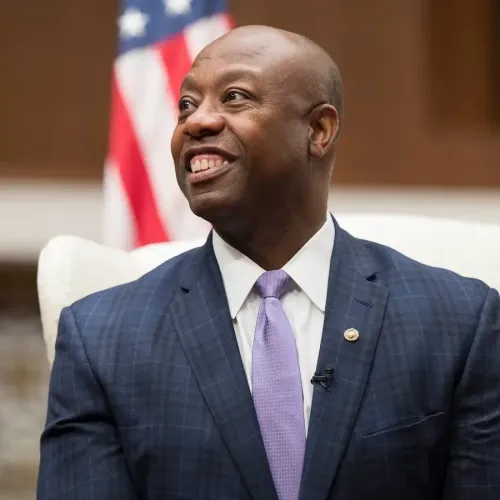
The Digital Asset Market Clarity Act final text was released on Sunday by Senators Cynthia Lummis , John Boozman , and Tim Scott .
The revised bill includes 126 substantive changes requested by Democrats, aimed at clearing the Senate's 60-vote procedural threshold.
New ethics provisions cover federally elected officials , judges , and their spouses; state attorneys general gain an enforcement role.
The Treasury Secretary would receive new authority to prevent deposit flight linked to payment stablecoins, protecting community banks .
The bill cleared the Senate Banking Committee in May 2026 by a 15-9 bipartisan vote; failure on Tuesday could stall it before November 3 midterms.
Its outcome is being monitored in India and other major markets, as US rules could shape global crypto regulation.
The United States Senate has released the final text of the Digital Asset Market Clarity Act, a sweeping cryptocurrency market legislation that incorporates over 126 substantive changes sought by Democrats — setting the stage for a critical procedural vote on Tuesday, 16 September 2026. The revised draft was published on Sunday by Senators Cynthia Lummis, John Boozman, and Tim Scott, following more than a year of intensive bipartisan negotiations.
What the Bill Proposes
The Digital Asset Market Clarity Act is designed to create a comprehensive federal framework for cryptocurrency markets, clearly defining how regulatory responsibilities will be distributed among US agencies. At its core, the legislation aims to bring long-absent rules to a sector that has operated in a largely grey regulatory environment.
The revised final text introduces ethics provisions covering federally elected officials, judges, and their spouses. It also grants state attorneys general a formal enforcement role — a provision seen as a significant concession to Democratic demands for decentralised accountability.
The bill would confer new authority on the Treasury Secretary to prevent deposit flight linked to payment stablecoins, with supporters framing the measure as a circuit-breaker to safeguard community banks. Additional provisions address affiliate trading safeguards, conflicts of interest, and the application of state consumer-protection laws. Notably, the bill also seeks to shield software developers from certain money-transmission registration requirements.
The Bipartisan Stakes
Clearing the Senate requires invoking cloture — a procedural move demanding at least 60 votes. Senate Majority Leader John Thune indicated last week, before the revised text was released, that supporters appeared short of that threshold. The 126 Democratic-sought changes are specifically intended to bridge that gap.
'After a year of intense daily bipartisan negotiations, this bill is ready,' Senator Lummis said. 'This text is truly bipartisan and includes more than 120 of Democrats' demands. A no vote on Tuesday means opposing real ethics reforms on politicians' personal investments, handing American leadership in digital assets to our foreign competitors, and leaving Americans with zero protections in the digital asset markets.'
Senator Boozman stressed urgency: 'We have an opportunity to establish clear rules of the road that will protect consumers, strengthen our markets, and ensure we remain a global leader in digital asset innovation. We cannot afford to wait any longer.'
Senator Scott added that the legislation would 'protect Americans' hard-earned money, keep innovation and jobs in America, and strengthen our national security.'
Legislative History
The groundwork for the Clarity Act dates to 2022, when Senator Lummis and Democratic Senator Kirsten Gillibrand first introduced bipartisan legislation seeking a comprehensive digital-asset regulatory framework, reintroducing it the following year. The current version advanced from the Senate Banking Committee in May 2026 by a bipartisan 15-9 vote.
If the Senate successfully invokes cloture on Tuesday, the revised text would be offered as a substitute amendment for full consideration. Failure to secure the required votes could stall the legislation before the November 3 midterm elections.
Why It Matters Beyond US Borders
The bill's progress is being watched closely in international markets, including India, where cryptocurrency regulation remains a work in progress. American federal rules are widely expected to influence how cryptocurrency companies, investors, and regulators operate across major global markets. A clear US framework could accelerate similar legislative moves in other jurisdictions, or alternatively raise the bar for compliance that cross-border crypto firms must meet.
Point of View
Not a formality. The inclusion of 126 Democratic demands signals real compromise, yet it also risks alienating the Republican base that championed a lighter-touch approach. For India, the stakes are indirect but real: a US federal framework sets global compliance benchmarks, and Indian exchanges and institutional investors with US exposure will need to adapt quickly. The bill's ethics provisions covering elected officials' personal crypto holdings are arguably the most consequential non-market element — one that could set a precedent for legislative accountability in the digital-asset era.
NationPress
15 Sept 2026
Frequently Asked Questions
What is the Digital Asset Market Clarity Act?
The Digital Asset Market Clarity Act is a sweeping US federal bill designed to establish clear regulatory rules for cryptocurrency markets and divide oversight responsibilities among US agencies. Its final text was released on Sunday by Senators Cynthia Lummis, John Boozman, and Tim Scott after more than a year of bipartisan negotiations.
Why is Tuesday's Senate vote critical for the crypto bill?
The Senate needs at least 60 votes to invoke cloture — a procedural step required to advance the bill to full debate and amendment. Senate Majority Leader John Thune had indicated before the revised text was released that supporters appeared short of those votes. Failure to clear the threshold could stall the legislation before the November 3 midterm elections.
What new provisions were added to attract Democratic support?
The revised draft incorporates 126 substantive changes requested by Democrats, including ethics provisions covering federally elected officials, judges, and their spouses, as well as granting state attorneys general an enforcement role. It also clarifies state consumer-protection law applications and adds safeguards around affiliate trading and conflicts of interest.
How does the bill affect stablecoins and community banks?
The bill grants the US Treasury Secretary new authority to prevent deposit flight linked to payment stablecoins. Supporters describe this as a circuit-breaker provision specifically designed to protect community banks from sudden capital outflows driven by stablecoin activity.
Why does this US crypto bill matter for India?
The bill's progress is being closely monitored in India and other major markets because American federal rules are expected to influence how cryptocurrency companies, investors, and regulators operate globally. A clear US framework could accelerate similar legislative action in India or raise the compliance bar for cross-border crypto firms operating in both markets.