Trump open to expanding US Bitcoin reserve beyond current holdings
Synopsis
Trump didn't just defend his Bitcoin reserve — he floated expanding it, while leaning on regulators to make the call. With the CLARITY Act heading for a 15 September Senate vote and Coinbase's Brian Armstrong calling it a 'true bipartisan compromise,' the US is making its most ambitious move yet to lock in crypto dominance — and keep China at bay.
Key Takeaways
President Trump said on 20 August that expanding the US Bitcoin reserve is under active consideration.
Trump has already established a US Strategic Bitcoin Reserve , making Bitcoin a permanent US Treasury asset, and a separate Digital Asset Stockpile for other cryptocurrencies.
Trump is pushing Congress to pass the CLARITY Act , framing it as essential to keeping the US ahead of China in digital finance.
Coinbase co-founder Brian Armstrong said supporters are targeting more than 60 votes , with a Senate vote expected on 15 September .
CFTC Chairman Michael Selig argued clear crypto rules would attract investment and create jobs in the US.
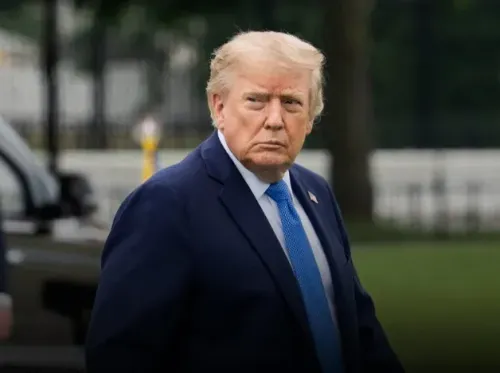
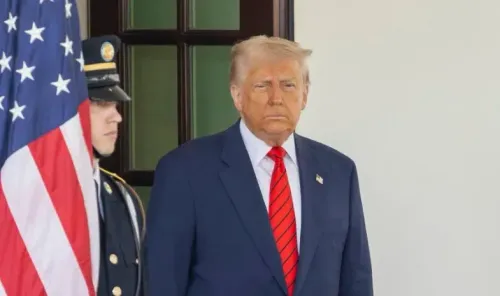
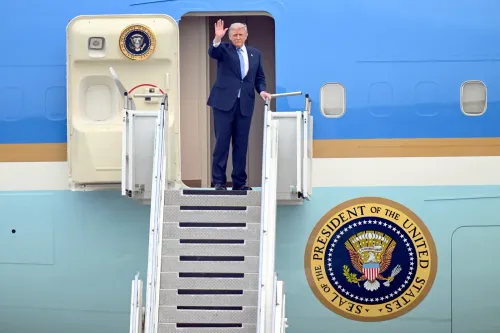
US President Donald Trump said on 20 August that his administration is open to accumulating more Bitcoin and other cryptocurrencies, even as he pressed Congress to pass sweeping new legislation aimed at cementing America's dominance in global digital finance. The remarks came at a White House gathering of financial regulators and cryptocurrency industry leaders.
What Trump Said
'Well, it's been talked about,' Trump said when asked whether the administration planned to acquire substantial quantities of Bitcoin or other digital assets. He added that he would defer to regulators for a final call: 'I think I'd probably rely on Paul and the whole group for that. He'll make a decision; you guys will make a decision, and you'll let me know, but certainly it's been talked about.'
Trump also argued — without citing supporting data — that cryptocurrency had benefited the US dollar. 'It's taken a lot of pressure off the dollar; it's been very, very good for the dollar,' he said.
The Strategic Bitcoin Reserve and Digital Asset Stockpile
Trump noted that he had already taken executive action on this front, establishing a US Strategic Bitcoin Reserve that makes Bitcoin a permanent asset of the United States Treasury. A separate United States Digital Asset Stockpile was also created to hold custody of other digital assets. 'I established a United States Strategic Bitcoin Reserve making Bitcoin a permanent asset of the United States Treasury, which has turned out incredibly well,' he said.
The CLARITY Act and the Congressional Push
Trump urged lawmakers to follow those executive moves by passing the CLARITY Act, describing it as 'landmark structure legislation' that 'will keep us ahead of China, keep us ahead of everyone else.' Coinbase co-founder Brian Armstrong said the legislation would make the administration's cryptocurrency policies durable well beyond Trump's presidency, pointing to a Senate vote expected on 15 September.
'This would make all of the progress that this administration has made durable into the future, so it could survive for decades and decades to come,' Armstrong said. He described the bill as a 'true bipartisan compromise,' noting that 'hundreds of pages of changes' had come in from the Democratic side. Supporters are reportedly hoping to secure more than 60 votes.
Industry and Regulatory Voices
Securities and Exchange Commission (SEC) Chairman Paul Atkins and Commodity Futures Trading Commission (CFTC) Chairman Michael Selig were among the officials present. Selig underscored the economic rationale for clear rules: 'Clear rules create confidence; confidence attracts investment; and investment creates jobs, strengthens our markets and keeps the world's best talent building here in America.'
Armstrong acknowledged that some large banks might oppose the CLARITY Act due to competitive pressure from cryptocurrency firms, though others had already endorsed it. This comes amid a broader global scramble among major economies to establish regulatory frameworks for digital assets before standards are set by competitors.
What Comes Next
The administration's dual approach — executive action to build reserves and legislative action to lock in rules — signals a long-term strategic bet on digital assets. The outcome of the 15 September congressional vote on the CLARITY Act will be the next critical test of whether that bet has bipartisan staying power.
Point of View
But for what he left unsaid: there is no public accounting of how much the existing reserve is worth, what it cost, or what the acquisition strategy looks like. Delegating the decision to the SEC and CFTC chairs sounds measured, but it also insulates the White House from accountability if prices turn. The CLARITY Act is the more consequential story — if it clears 60 votes with genuine Democratic support, it would be the first durable federal crypto framework, and one that locks in a US-first posture before the EU's MiCA regime or China's digital yuan sets the global template. The risk is that 'bipartisan' in this context means different things to different senators, and the final text may look very different from what the industry is celebrating today.
NationPress
5 Oct 2026
Frequently Asked Questions
What is the US Strategic Bitcoin Reserve?
The US Strategic Bitcoin Reserve is an executive initiative established by President Trump that designates Bitcoin as a permanent asset of the United States Treasury. A separate United States Digital Asset Stockpile was also created to hold other cryptocurrencies in federal custody.
Is the US planning to buy more Bitcoin?
President Trump said on 20 August that expanding Bitcoin and cryptocurrency holdings is 'being talked about,' though no formal decision has been made. He indicated he would rely on recommendations from SEC Chairman Paul Atkins and CFTC Chairman Michael Selig before acting.
What is the CLARITY Act and when is the vote?
The CLARITY Act is proposed legislation intended to establish a comprehensive regulatory framework for digital assets in the United States. A Senate vote is expected on 15 September, and supporters are reportedly aiming to secure more than 60 votes for passage.
Who is Brian Armstrong and what did he say?
Brian Armstrong is the co-founder of Coinbase, the largest US cryptocurrency exchange. At the White House meeting, he said the CLARITY Act would make the Trump administration's crypto policies 'durable into the future' for 'decades and decades,' and described it as a 'true bipartisan compromise.'
How does this affect the US dollar, according to Trump?
Trump claimed that cryptocurrency has 'taken a lot of pressure off the dollar' and has been 'very, very good' for it, though he offered no supporting data during the White House gathering.