Pilot flags unilateral action on Muslim shrines in border Rajasthan
Synopsis
Congress general secretary Sachin Pilot has called out what he terms one-sided government demolitions of Muslim religious sites in western Rajasthan's border districts, urging dialogue and sensitivity while affirming that national security must remain paramount.
Key Takeaways
Sachin Pilot on 26 June 2026 raised concerns over unilateral notices and demolitions targeting Muslim religious sites near the India-Pakistan border in western Rajasthan.
He affirmed that national security is paramount but argued that action without community dialogue is unjustified and breeds discontent.
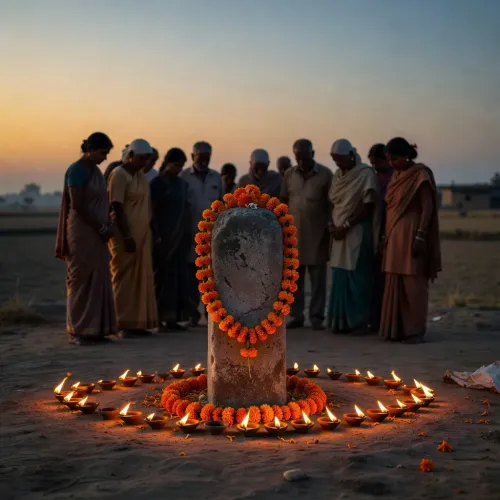
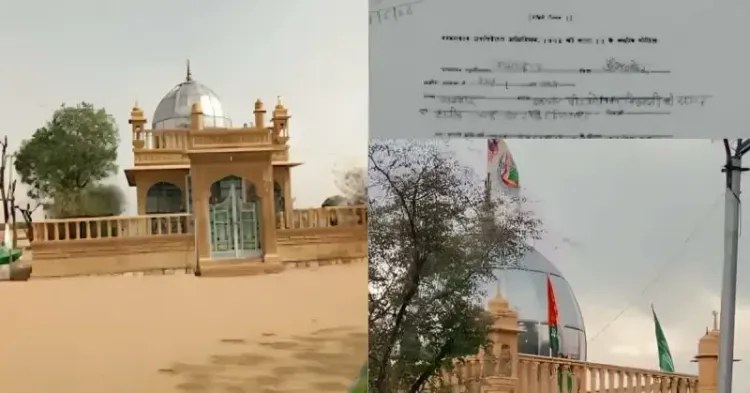
The dispute centres on notices reportedly served on the Jilani Dargah in the Jaisalmer area, with a resolution hearing expected around 30 June 2026 .
Western Rajasthan's border districts have historically been cited for their Ganga-Jamuni tehzeeb — a tradition of Hindu-Muslim cultural coexistence.
Pilot called on both the Government of India and the Rajasthan state government to listen to all stakeholders seriously before proceeding.
Opposition leaders have repeatedly flagged similar enforcement drives in border states as risks to communal harmony.
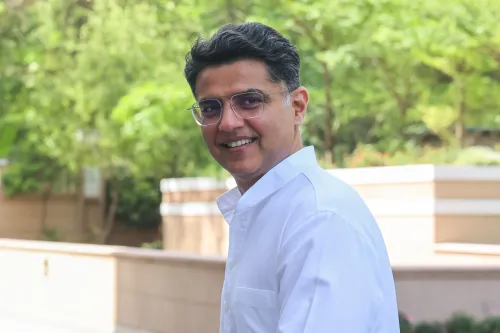
Congress leader Sachin Pilot on Friday, 26 June 2026, raised alarm over what he described as one-sided government action against Muslim religious sites in districts along the India-Pakistan border in western Rajasthan, calling on both the central and state governments to adopt a sensitive and consultative approach before demolishing decades-old structures.
Context
In his post, Pilot said that the districts of western Rajasthan have long been exemplary for their Ganga-Jamuni tehzeeb (composite cultural heritage), social cohesion, and brotherhood. He acknowledged that residents of the region have consistently contributed to national interest even in difficult times. However, he alleged that the government is now issuing notices to long-standing religious places of the Muslim community near the border and razing them 'unilaterally', creating 'negative impact and discontent' across society.
He wrote: 'Unilateral action is being taken by the government on Muslim religious sites in districts bordering India and Pakistan, including notices being issued to decades-old shrines and their demolition in a one-sided manner, creating a negative impact and discontent in society.' Pilot was responding to reported notices served in connection with a dargah dispute in the Jaisalmer area, with a hearing reportedly scheduled for 30 June 2026.
Policy Backdrop
Rajasthan administrations have periodically launched drives against unauthorised constructions on public or border land, citing encroachment and security vulnerabilities along the sensitive frontier. Similar enforcement campaigns in Rajasthan and Gujarat in earlier years triggered comparable debates about due process and communal harmony.
Pilot was careful to affirm that 'national security is paramount and must not be compromised', but argued that acting without dialogue with affected communities is neither justified nor prudent. He urged both the Government of India and the Rajasthan state government to listen to all sides 'seriously and sensitively' before taking decisions.
Stakeholders and Impact
The communities most directly affected are border residents and Muslim organisations in Jaisalmer and adjoining districts — areas that sit at a strategic point on the India-Pakistan frontier. Opposition figures, including Pilot, argue that demolishing religious structures without consultation risks fracturing the social fabric in a zone where civilian goodwill is itself a security asset.
State authorities have historically maintained that such steps address illegal occupation and security gaps along the border. The tension between enforcement imperatives and minority community concerns has drawn political attention ahead of any administrative review or judicial hearing on the matter.
What's Next
Attention will now turn to any Rajasthan High Court proceedings on notices related to the Jilani Dargah and whether local administrative bodies convene consultations with community representatives before the reported 30 June 2026 deadline. Pilot's intervention signals that the Congress will press both the state and central governments for a transparent, dialogue-driven process rather than unilateral demolition orders.
If the Rajasthan government proceeds without broader consultation, the issue could escalate into a sustained political controversy — testing the state administration's ability to balance border-security mandates with the pluralist identity that western Rajasthan's communities have historically embodied.
Point of View
He insulates himself from being labelled anti-security — a standard counter-charge in such debates. The timing, ahead of a reported 30 June judicial or administrative deadline on the Jilani Dargah matter, suggests the Congress is keen to shape the narrative before any state action becomes a fait accompli. More broadly, this fits a pattern of opposition parties using border-district religious-site disputes to highlight what they call a governance deficit in minority affairs under the current Rajasthan administration.
NationPress
26 Jun 2026
Frequently Asked Questions
What has Sachin Pilot said about Muslim shrines in Rajasthan?
Sachin Pilot has alleged that the government is issuing notices and unilaterally demolishing decades-old Muslim religious sites in western Rajasthan's border districts, and has urged both the state and central governments to hold dialogue with affected communities before taking such action.
Which dargah in Jaisalmer is facing demolition notices?
Reports indicate that the Jilani Dargah in the Jaisalmer area is among the religious sites that have received notices, with a dispute resolution hearing reportedly scheduled around 30 June 2026. NationPress has not independently verified the specifics of the operation.
Why is the government demolishing religious structures near the India-Pakistan border?
State authorities have historically cited encroachment on public or border land and national security vulnerabilities as reasons for such enforcement drives near the India-Pakistan frontier in Rajasthan.
What is Ganga-Jamuni tehzeeb and why is it relevant here?
'Ganga-Jamuni tehzeeb' refers to the syncretic Hindu-Muslim cultural tradition of northern and western India. Pilot invoked it to argue that western Rajasthan's border districts have a long history of communal harmony that could be damaged by unilateral government action.
What action has Sachin Pilot demanded from the Rajasthan government?
Pilot has demanded that both the Rajasthan state government and the Government of India adopt a sensitive approach, listen to all stakeholders seriously, and refrain from unilateral demolitions without prior community consultation.