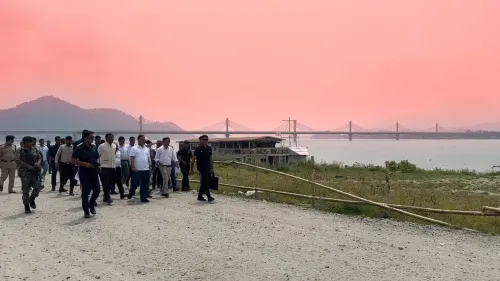
CM Himanta inaugurates RCC bridge in his constituency amid 1,000-bridge upgrade push
Synopsis
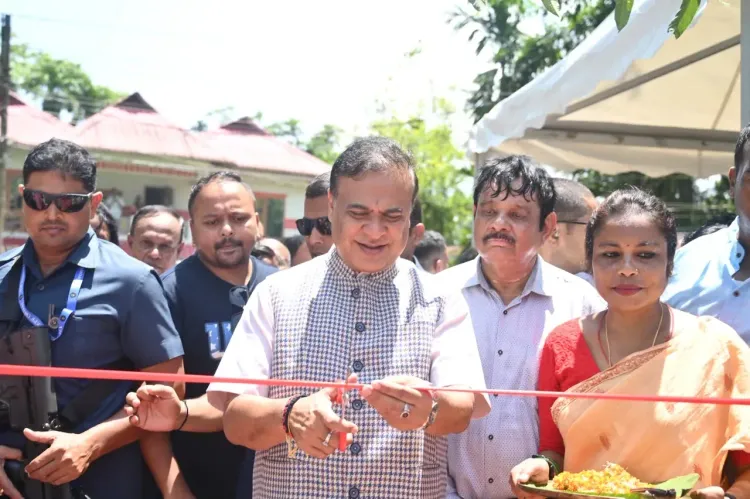
Assam Chief Minister Himanta Biswa Sarma inaugurated a new RCC bridge in his constituency on 14 August 2026, spotlighting a state-wide programme to replace over 1,000 wooden and dilapidated bridges with permanent, all-weather structures to improve rural connectivity and welfare delivery.
Key Takeaways
Assam CM Himanta Biswa Sarma inaugurated an RCC bridge in his own constituency on 14 August 2026 .
The state is upgrading over 1,000 wooden and dilapidated bridges to permanent, all-weather RCC structures.
The programme is aimed at improving connectivity in Assam's flood-prone, river-laced terrain.
Sarma linked the bridge upgrades directly to faster delivery of government welfare schemes to remote communities.
Assam has prioritised bridge replacement as a core infrastructure policy since 2016 , with the current government accelerating the pace.
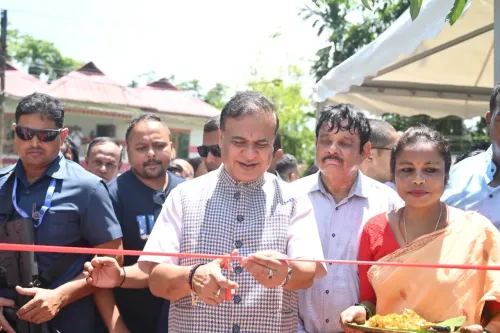
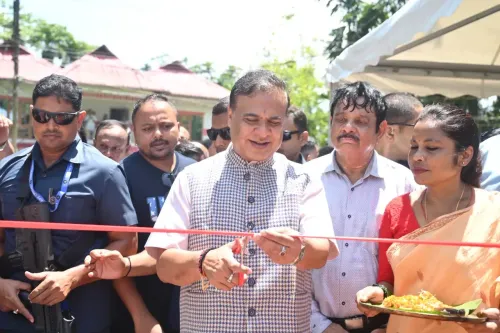
A wooden bridge gone, a concrete one standing in its place — and for thousands of daily commuters in Assam Chief Minister Himanta Biswa Sarma's own constituency, that swap means safer crossings through every monsoon and flood season to come. On Friday, 14 August 2026, Sarma inaugurated one of the state's newest reinforced cement concrete bridges, a visible marker of a programme he says will touch over 1,000 such structures across Assam.
1,000 bridges, one state's connectivity gamble
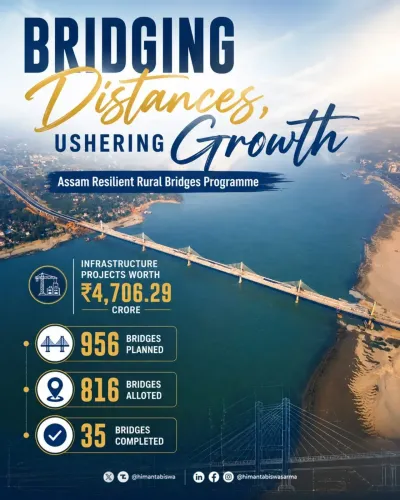
Sarma announced that Assam is upgrading 'over 1,000 wooden and dilapidated bridges into all-weather and safe RCC ones to bolster connectivity and ensure faster welfare delivery.' The scale is striking for a state whose river-laced, flood-prone terrain has long made wooden bridges a practical necessity — and a seasonal liability. Temporary structures that wash away or rot shut off villages from markets, hospitals, and government services for weeks at a time.
The push to replace them with permanent RCC structures is not new to Assam. Since 2016, successive state administrations have treated bridge replacement as a core plank of rural infrastructure policy, linking all-weather roads and bridges directly to the speed at which welfare schemes reach remote communities. Sarma's government has framed the current programme as an acceleration of that longer arc.
Why the constituency inauguration carries political weight
By choosing to inaugurate a bridge in his own constituency, Sarma makes the programme personal and local at once — a deliberate signal that the upgrade drive is not confined to headline corridors or urban districts. Rural and semi-urban commuters across Assam's flood-vulnerable districts stand to gain the most: all-weather bridges mean supply chains stay open, ambulances get through, and schoolchildren don't face a broken crossing after a heavy downpour.
The broader Northeast integration angle matters too. As convenor of the North-East Democratic Alliance (NEDA), Sarma has consistently argued that physical connectivity is the precondition for economic integration across the region. Each RCC bridge is, in that framing, a small but concrete node in a larger network-building effort.
What comes next for the programme
The key questions now are pace and funding. With over 1,000 bridges targeted, progress reports and state budget allocations for the next phase will determine whether the ambition translates into completed structures before the next monsoon cycle. Commuters in districts still waiting for their wooden bridges to be replaced will be watching those numbers closely.
One bridge inaugurated, hundreds still in the queue — but the direction of travel in Assam is unmistakably toward concrete.
Point of View
Not just headline districts. The 1,000-bridge target, if delivered, would represent one of the most extensive rural bridge-replacement drives in Northeast India's recent history, with direct implications for last-mile welfare delivery. As NEDA convenor, Sarma has consistently used physical connectivity as a political and developmental argument for the BJP's Northeast model. Progress on funding and execution timelines will be the real test of whether this inauguration is a milestone or a photo opportunity.
NationPress
14 Aug 2026
Frequently Asked Questions
How many bridges is Assam replacing under this programme?
Assam is upgrading over 1,000 wooden and dilapidated bridges to permanent RCC structures, according to Chief Minister Himanta Biswa Sarma.
What is an RCC bridge and why is it better than a wooden bridge in Assam?
An RCC (reinforced cement concrete) bridge is a permanent, all-weather structure. In Assam's flood-prone terrain, wooden bridges are prone to washing away or rotting, cutting off villages; RCC bridges remain passable year-round.
Where did CM Himanta Biswa Sarma inaugurate the bridge?
Sarma inaugurated the bridge in his own constituency on 14 August 2026 . The specific location has not been officially named in public records.
Why is bridge connectivity important for welfare delivery in Assam?
Many of Assam's rural communities are separated by rivers and seasonal floodwaters. All-weather bridges allow government services, medical aid, and supply chains to reach remote areas without disruption during monsoon season.
How long has Assam been replacing wooden bridges with permanent structures?
Assam governments have prioritised replacing temporary wooden bridges with permanent structures since 2016 , framing it as essential to rural infrastructure and economic integration in the Northeast.