CM Himanta Launches Two-Week Assam Anti-Drug Drive
Synopsis
Assam CM Himanta Biswa Sarma has shared the results of a two-week state-wide enforcement drive targeting drug networks, framing it as Assam's direct response to PM Modi's national goal of dismantling narcotics supply chains by 2029 under Home Minister Amit Shah's leadership.
Key Takeaways
Assam CM Himanta Biswa Sarma announced the completion of a two-week sustained anti-drug campaign on October 16, 2026 .
The drive is aligned with PM Narendra Modi 's stated national goal to dismantle India's drug networks by 2029 .
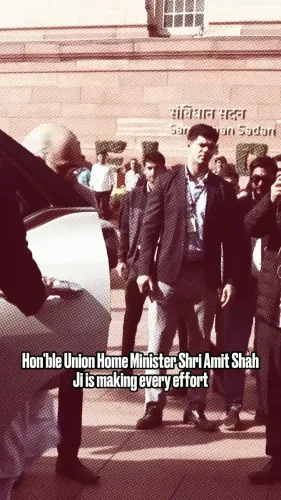
Union Home Minister Amit Shah has been identified as the central figure leading the national enforcement effort.
The campaign aims to advance the Nasha Mukt Bharat mission, rooted in the Nasha Mukt Bharat Abhiyan launched in August 2020 .
Assam is a recognised narcotics transit zone in Northeast India , making state-level enforcement critical to the national strategy.
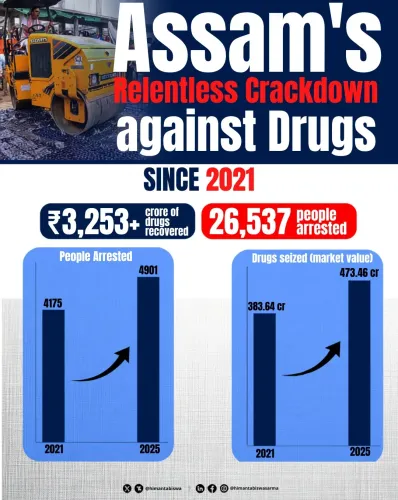
Detailed seizure and arrest data from the Assam drive are expected to be released as part of the campaign results.
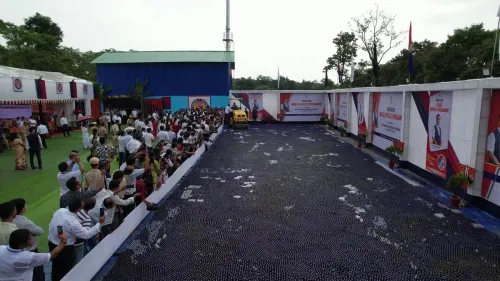
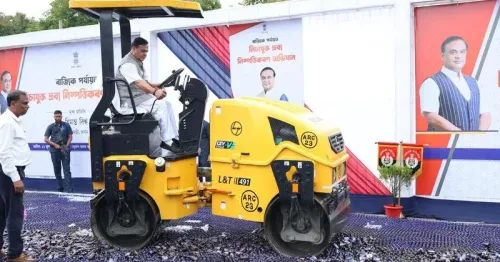
A two-week sustained enforcement campaign has swept through Assam's drug networks, with Assam Chief Minister Himanta Biswa Sarma sharing the results on Friday, October 16, 2026 — positioning the state as the sharp edge of India's national war on narcotics.
The campaign Assam just ran — and why now
CM Sarma framed the drive explicitly as a state response to a central call to action, crediting Prime Minister Narendra Modi for setting a national goal to 'dismantle the drugs network by 2029' and Union Home Minister Amit Shah as the official leading that charge. The two-week blitz was designed, in the Chief Minister's words, to 'strike the core of the drugs network in Assam' and advance the vision of a Nasha Mukt Bharat — a drug-free India.
The geography matters. Assam sits at a critical junction in Northeast India, bordered by states and nations that form part of established narcotics transit corridors. Enforcement authorities have long flagged it as a pressure point where supply chains moving from international borders converge before fanning out further into the country.
Nasha Mukt Bharat — the national framework behind the drive
The campaign plugs into the Nasha Mukt Bharat Abhiyan, launched in August 2020 by the Ministry of Social Justice and Empowerment. The Abhiyan combines demand-reduction — awareness, counselling, rehabilitation — with supply-side enforcement sweeps. BJP-led governments at both the Centre and in key northeastern states have repeatedly returned to this framework as a visible measure of governance performance on public health and law-and-order.
What distinguishes the current push is the explicit 2029 deadline tied directly to PM Modi's directive — a firm time-bound target rather than an open-ended policy ambition. That framing turns every state-level seizure into a data point on a national countdown.
What the results could show — and what comes next
CM Sarma has promised to share the campaign's results, though specific seizure figures, arrest tallies, and operational breakdowns are yet to enter the public record. The sharper test will come at national review meetings, where state-level performance is benchmarked against the wider goal. Assam's youth and border communities — historically the most exposed to narcotics availability — stand to gain most directly if the momentum holds.
For now, the message out of Dispur is unambiguous: the state is not waiting for a push from the top. It is running ahead of it.
Point of View
CM Sarma is simultaneously demonstrating federal alignment and staking a claim to proactive, results-oriented leadership in the Northeast. The move also reinforces Assam's role as the anchor state in the North-East Democratic Alliance, signalling to the region that BJP-led administrations will deliver on the 'double-engine government' promise in concrete, measurable terms. Whether the seizure data that follows matches the rhetorical ambition will be the real test of the campaign's durability.
NationPress
16 Oct 2026
Frequently Asked Questions
What is the Nasha Mukt Bharat Abhiyan?
The Nasha Mukt Bharat Abhiyan is a national programme launched in August 2020 by India's Ministry of Social Justice and Empowerment to reduce both the demand and supply of drugs through awareness, rehabilitation, and law-enforcement action.
What did Assam CM Himanta Biswa Sarma announce about the drug campaign?
CM Himanta Biswa Sarma announced the completion of a two-week sustained anti-drug enforcement drive in Assam on October 16, 2026 , aimed at dismantling the state's drug supply networks in line with the national Nasha Mukt Bharat vision.
What is India's 2029 drug-free goal?
Prime Minister Narendra Modi has set a goal to dismantle India's drug networks by 2029 , with Union Home Minister Amit Shah leading the national effort — a target that CM Sarma says Assam's campaign is directly responding to.
Why is Assam significant in India's anti-drug efforts?
Assam is a key transit point in Northeast India , positioned near international borders through which narcotics supply chains move into the country, making state-level enforcement in Assam critical to any national drug-control strategy.
What happens after the two-week Assam drug drive?
CM Sarma has indicated he will share detailed results of the campaign; the next steps include releasing seizure and arrest data, and national review meetings where Assam's performance will be assessed against the broader 2029 dismantlement target.