CM Himanta Marks Wangala Festival's Beat of Culture
Synopsis
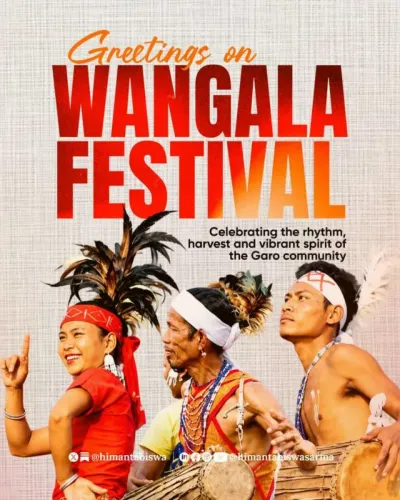
Assam Chief Minister Himanta Biswa Sarma highlighted the Wangala festival — the Garo tribe's iconic post-harvest celebration known for mass drumming and dance — in a social media post on 22 November 2026, spotlighting North-East India's living indigenous heritage.
Key Takeaways
Assam CM Himanta Biswa Sarma celebrated the Wangala festival on 22 November 2026 via a post on X.
Wangala is the annual post-harvest festival of the Garo tribe , held every November in Meghalaya and parts of Assam.
The festival centres on traditional drumming, dance, and rituals of gratitude to the sun god Misi Saljong .
The Garo community is primarily based in the Garo Hills of Meghalaya with a significant population in Assam .
CM Sarma is also convenor of the North-East Democratic Alliance (NEDA) , giving his cultural outreach cross-state political significance.
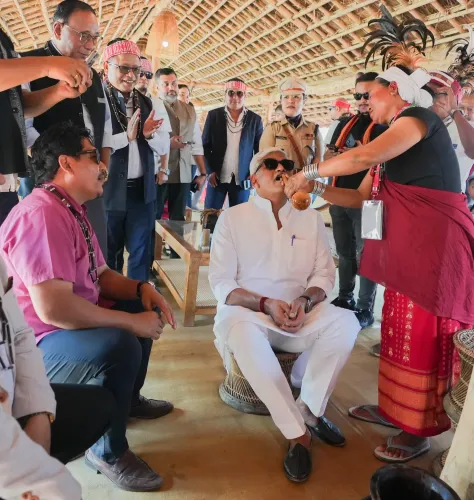
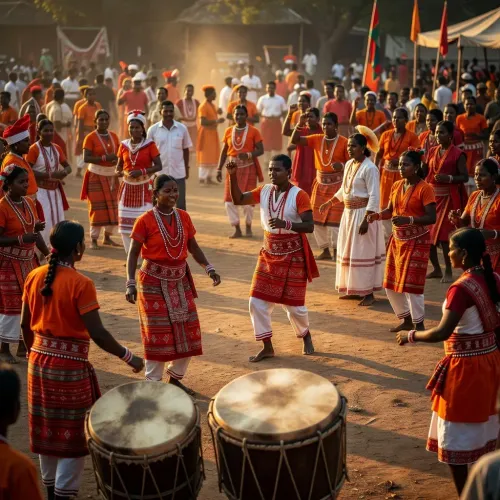
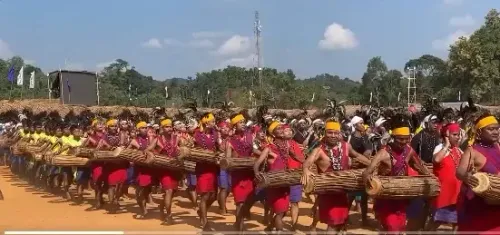
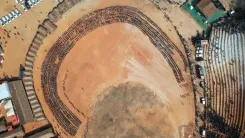
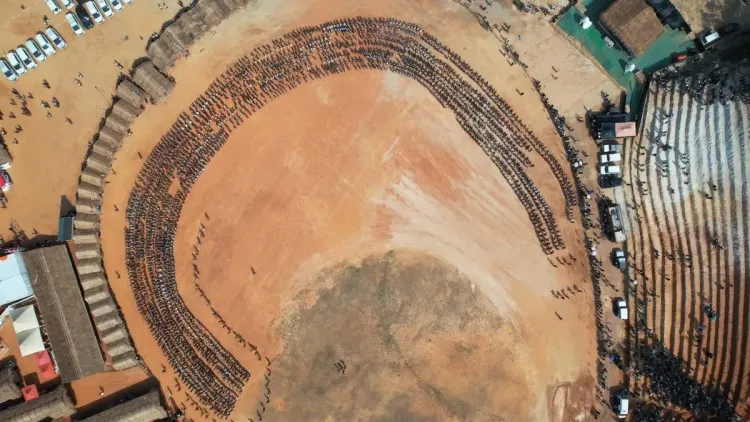
Drums, dance, and a harvest celebrated for generations — Assam Chief Minister Himanta Biswa Sarma on Sunday, 22 November 2026 turned his social media platform into a stage for one of North-East India's most vibrant indigenous festivals, saluting the Wangala with a crisp, evocative tribute: 'The beat of Wangala: 50 years. 100 drums. One festival.'
What Wangala means to the Garo people
Wangala is the defining post-harvest celebration of the Garo tribe, an indigenous community whose heartland stretches across the Garo Hills of Meghalaya and extends into parts of Assam. Held each November once the agricultural season closes, the festival is built around traditional drumming, rhythmic dance, and rituals of gratitude to Misi Saljong, the sun god credited with a bountiful yield. It is, at its core, a community's annual exhale — the collective breath taken after months of labour in the fields.
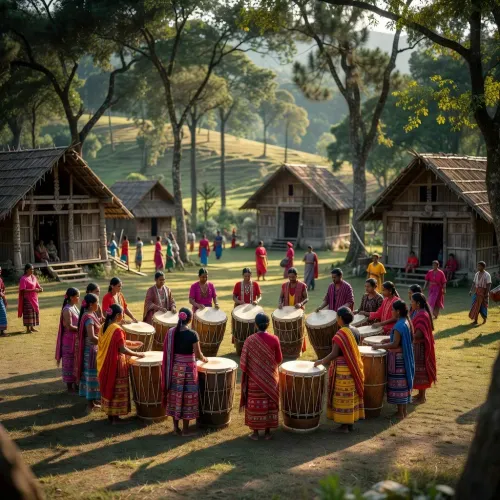
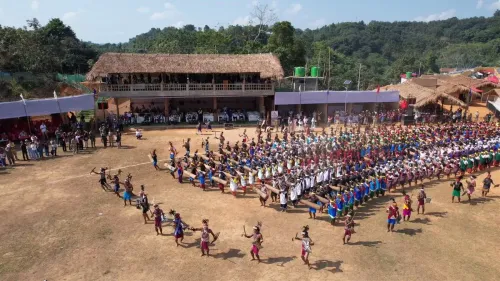
The drumming is not incidental to Wangala; it is the heartbeat. Rows of drummers in traditional attire, the air thick with the resonance of stretched hide on wood — this is the image that has made Wangala one of the most recognisable tribal festivals of the entire North-East.
Why a Chief Minister's shout-out carries weight
Political leaders across the North-East have made it a practice to amplify indigenous festivals on social media, and CM Sarma — who also serves as the convenor of the North-East Democratic Alliance (NEDA) — has been especially consistent in this. The gesture does dual work: it affirms cultural identity for communities whose heritage has historically been invisible to mainstream national discourse, and it signals the state's commitment to heritage tourism in a region the Centre has flagged as a priority tourism corridor.
Wangala draws visitors from across India and abroad, and state-level visibility from a sitting chief minister can amplify that footfall — turning a community ritual into a broader national conversation about the region's living cultures.
November drums, perennial stakes
The Garo community straddles the Assam-Meghalaya border, making Wangala a festival with cross-state resonance. Any cultural push around it carries an implicit message about inter-state solidarity and the shared heritage of North-Eastern tribes — a message that lands with particular weight when it comes from a leader who wears both the Assam CM hat and the NEDA convenor's mantle.
One festival. Many echoes. The drums of Wangala are speaking — and from Dispur, someone is making sure the rest of India is listening.
Point of View
Sustained pattern of North-East political leaders using digital platforms to mainstream indigenous cultural identity — positioning tribal heritage as both a soft-power asset and a tourism driver. For Sarma specifically, amplifying a Garo festival reinforces his cross-state NEDA mandate, signalling to communities on both sides of the Assam-Meghalaya border that their culture has political champions. It is cultural diplomacy at its most accessible: a 10-word post doing the heavy lifting of a tourism campaign. The long game here is a North-East narrative that is defined by its own richness rather than its conflicts.
NationPress
22 Nov 2026
Frequently Asked Questions
What is the Wangala festival?
Wangala is the annual post-harvest festival of the Garo tribe, celebrated primarily in the Garo Hills of Meghalaya and parts of Assam. It features traditional drumming, dance, and rituals of thanksgiving to the sun god at the close of the agricultural season, typically held in November.
Who are the Garo people?
The Garo are an indigenous tribal community whose heartland is the Garo Hills district of Meghalaya, with significant populations also living in Assam and other parts of North-East India. They are known for their matrilineal social structure and rich oral and performance traditions, of which Wangala is the most celebrated.
Why did Himanta Biswa Sarma post about Wangala?
CM Sarma shared a tribute to the Wangala festival on 22 November 2026, in keeping with a broader pattern of North-East political leaders using social media to promote indigenous cultural heritage, support tribal identity, and drive tourism interest in the region.
Where is Wangala festival celebrated?
Wangala is celebrated primarily in the Garo Hills of Meghalaya, with the festival also observed in Garo-populated areas of Assam. It is one of the most prominent tribal festivals of the North-East region.
What is NEDA and what is Himanta Biswa Sarma's role in it?
The North-East Democratic Alliance (NEDA) is a political coalition of parties in North-East India aligned with the BJP. Himanta Biswa Sarma, in addition to serving as Chief Minister of Assam, is the convenor of NEDA, giving him an influential political role across multiple North-Eastern states.