CM Himanta's Assam Cracks Down on Fertiliser Smuggling
Synopsis
Assam CM Himanta Biswa Sarma declares a 'second strike' in an anti-smuggling drive after Cachar Police seized 350 bags of suspected fertiliser allegedly being diverted to cross-border narcotics cartels operating along the Bangladesh border.
Key Takeaways
350 bags of suspected fertiliser intercepted by Cachar Police before they could be smuggled out of Assam.
CM Himanta Biswa Sarma calls this the 'second strike' in an ongoing, sequenced crackdown on smugglers' supply chains.
Authorities allege diverted subsidised fertiliser is being used to supply cross-border narcotics cartels .
Cachar district in southern Assam borders Bangladesh and has a documented history of cross-border illegal trade.
Sarma frames the operation as deliberate supply-chain disruption, not reactive policing — signalling further strikes likely.
Subsidised agricultural fertiliser's low government-set price creates a structural black-market incentive for diversion.
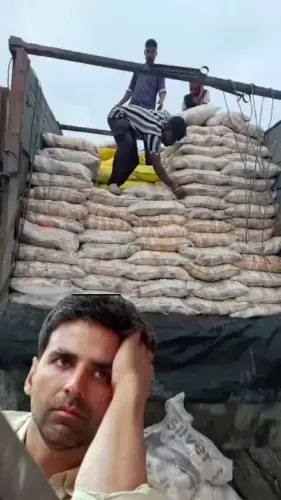
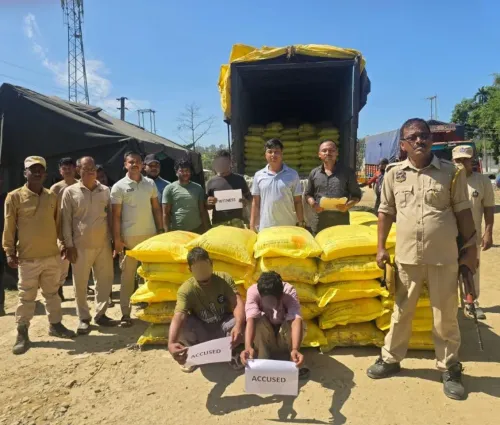
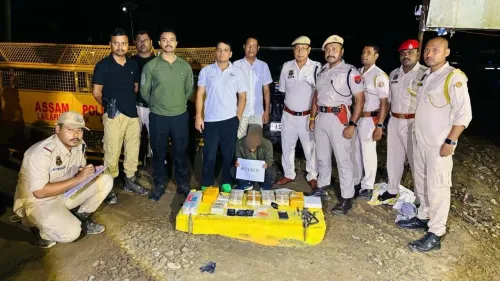
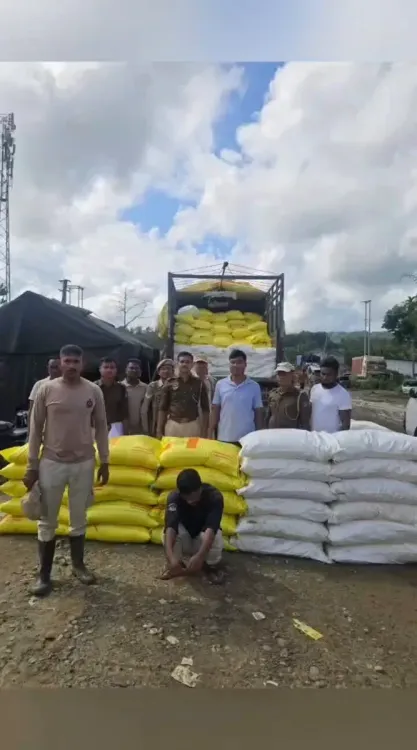
Three hundred and fifty bags of suspected fertiliser — meant to feed fields, diverted to fuel cartels. Assam Chief Minister Himanta Biswa Sarma announced on Sunday, 22 November 2026 that Cachar Police had intercepted the consignment before it could be smuggled out of the state, calling it the second strike in an ongoing crackdown on a supply chain that authorities say feeds cross-border narcotics networks.
The Cachar Interception — and Why Fertiliser Matters to Drug Networks
The question CM Sarma posed is blunt and worth sitting with: why would smugglers steal fertiliser meant for farmers? The answer his government has arrived at is alarming — subsidised agricultural inputs, cheap and widely available, are being diverted to supply narcotics manufacturing and cross-border cartels operating along Assam's porous frontiers. Cachar district, tucked into southern Assam and sharing a border with Bangladesh, has long been a pressure point for exactly this kind of illegal movement.
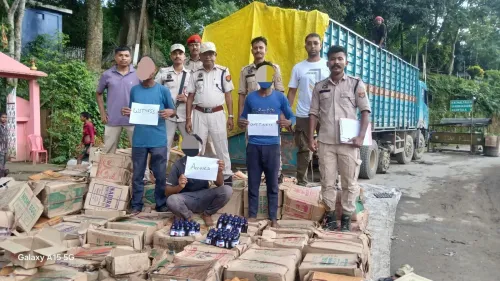
The 350 bags seized in this operation represent what Sarma framed as a deliberate blow to the smugglers' logistics — 'We hit their supply chain. We hit them,' he wrote, commending Cachar Police and the broader Assam Police force. The reference to a 'second strike' signals that this is not a one-off — a coordinated, sequenced enforcement campaign is underway.
Assam's Border Economy and the Subsidised-Input Loophole
Assam governments have grappled for years with the diversion of subsidised agricultural inputs — fertilisers, pesticides, seeds — that reach the state under welfare schemes but leak out through black-market channels. The incentive is structural: government-subsidised fertiliser is priced well below open-market rates, making every diverted bag a margin play for smuggling networks. When those networks also move narcotics, the two trades become intertwined in distribution and financing.
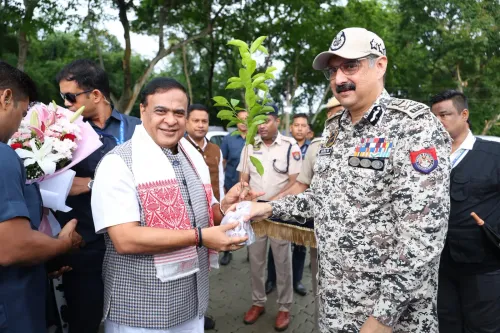
The Cachar corridor, in particular, has seen intensified scrutiny under the current administration. CM Sarma, who also convenes the North-East Democratic Alliance (NEDA), has repeatedly positioned Assam's law-enforcement push as part of a wider North-East security architecture — one that treats narcotics interdiction and border trade control as inseparable from development.
What the 'Supply Chain' Language Signals
Sarma's choice of words is deliberate. Describing the police action as hitting a 'supply chain' — not just seizing contraband — frames this as strategic disruption rather than reactive policing. It suggests the state has mapped the movement of diverted fertiliser from procurement points through transit corridors to end users, and is targeting nodes in that chain sequentially. The 'second strike' framing reinforces this: there was a first, there will likely be more.
What to watch now: whether Assam Police announces further seizures in the same corridor, and whether the state government moves to tighten fertiliser distribution controls — point-of-sale verification, biometric authentication, or stricter dealer audits — to close the upstream loophole that makes diversion possible in the first place.
Farmers in Assam lose when subsidised inputs intended for them are siphoned off. Cartels gain. That equation, Sarma is signalling, is being reversed — one interception at a time.
Point of View
A politically potent linkage in a border state. For BJP in Assam, being seen as simultaneously protecting farmers and choking drug cartels is a double electoral dividend. The sequential 'strike' language also implies the state has actionable intelligence beyond the immediate seizure, which — if borne out by further operations — would mark a qualitative upgrade in Assam Police's border-enforcement posture. Watch whether this campaign translates into systemic fertiliser-distribution reforms, or remains primarily a visible enforcement signal ahead of the political calendar.
NationPress
22 Nov 2026
Frequently Asked Questions
Why are smugglers stealing fertiliser in Assam?
Assam authorities allege that subsidised fertiliser — cheaply priced under government welfare schemes — is being diverted by smugglers who use the supply chain to serve cross-border narcotics cartels, turning an agricultural input into a black-market commodity.
What did Cachar Police seize in the Assam fertiliser crackdown?
Cachar Police intercepted 350 bags of suspected fertiliser that were allegedly being smuggled out of Assam, as announced by CM Himanta Biswa Sarma on 22 November 2026 .
Where is Cachar district and why is it significant for smuggling?
Cachar is a district in southern Assam that shares a border with Bangladesh, making it a known corridor for cross-border illegal trade including narcotics and diverted subsidised goods.
What is Himanta Biswa Sarma's role in Assam's anti-smuggling drive?
Himanta Biswa Sarma is the Chief Minister of Assam and has publicly directed and commended police operations, framing the crackdown as a deliberate disruption of smugglers' supply chains rather than isolated seizures.
Is this the first fertiliser seizure in Assam's current crackdown?
No. CM Sarma described the Cachar Police interception as the 'second strike,' indicating at least one prior operation is part of the same coordinated enforcement campaign.