CM Himanta Hails Sribhumi Police Drug Bust Worth ₹3.18 Cr
Synopsis
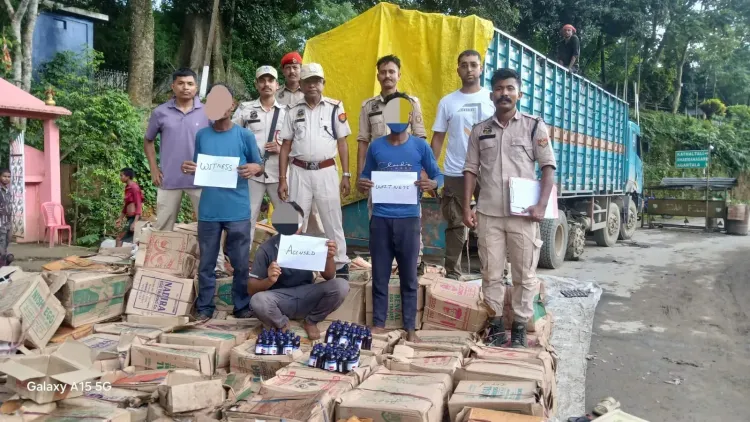
Assam CM Himanta Biswa Sarma lauded Sribhumi Police on 28 July 2026 after two anti-drug operations yielded 31,800 bottles of suspected contraband worth ₹3.18 crore and two arrests, reinforcing the state's sustained crackdown on pharmaceutical narcotics networks.
Key Takeaways
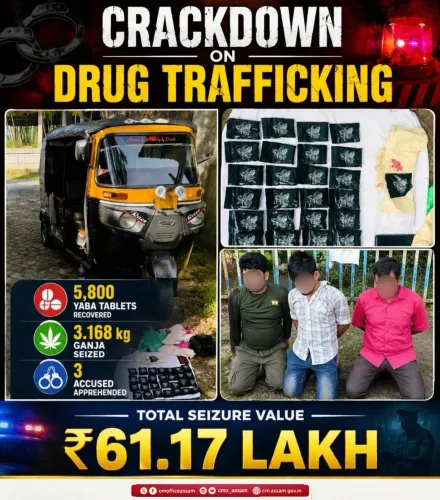
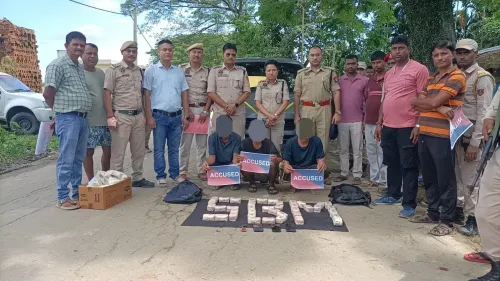
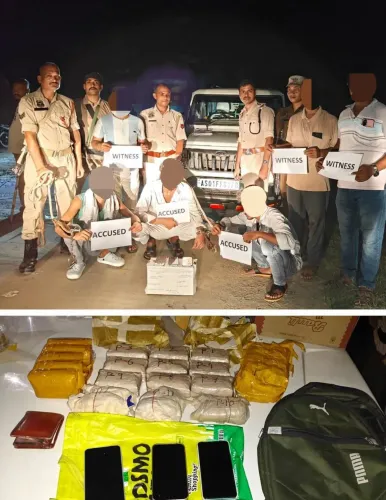
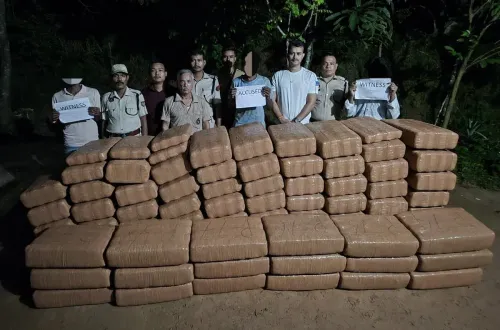
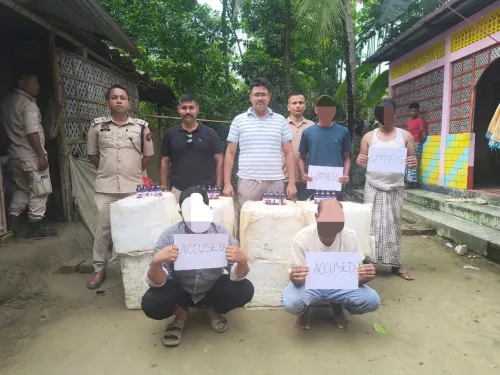
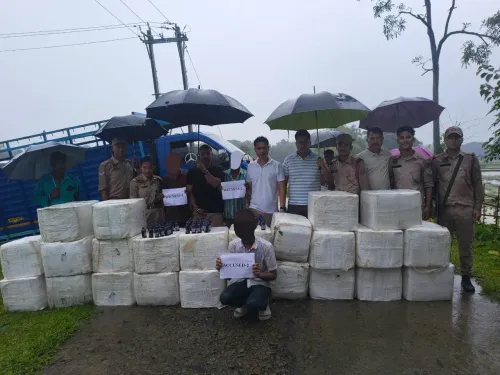
Sribhumi Police conducted two anti-drug operations, seizing 31,800 bottles of suspected contraband valued at ₹3.18 crore .
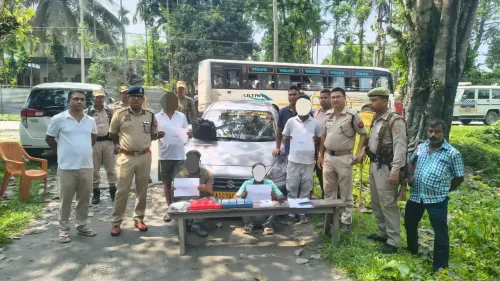
Two accused were apprehended alongside the seized goods.
CM Himanta Biswa Sarma publicly credited Sribhumi Police and tagged Assam Police in his commendation on 28 July 2026 .
Assam has run sustained anti-narcotics drives since 2021 , targeting pharmaceutical contraband linked to cross-border networks from Myanmar and Bangladesh .
The #AssamAgainstDrugs campaign frames district-level seizures as part of a broader effort to dismantle supply networks, not just confiscate goods.
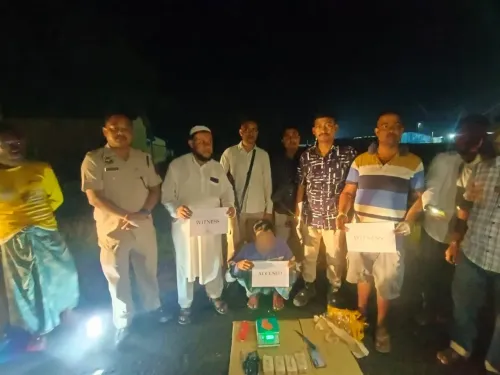
Thirty-one thousand eight hundred bottles of suspected contraband, worth ₹3.18 crore — seized in two swift operations by a single district police unit. Assam Chief Minister Himanta Biswa Sarma on Tuesday, 28 July 2026, publicly commended Sribhumi Police for the back-to-back anti-drug strikes that also netted two accused.
What Sribhumi Police seized — and why the numbers matter
The haul centres on bottles of suspected contraband pharmaceuticals — the kind of cough-syrup-category drugs that have become a persistent enforcement headache across the Northeast. 31,800 bottles is not a street-corner stash; it points to supply-chain volume, the sort of consignment that feeds multiple distribution nodes before reaching end users. Two arrests alongside the seizure suggest investigators moved beyond the goods and reached the handlers.
Sarma framed the significance plainly: 'Every such interception disrupts a larger criminal network.' That line is policy shorthand as much as praise — it signals that Assam's enforcement lens is trained on networks, not just individual catches.
Assam's post-2021 push against pharmaceutical contraband
Assam ramped up its anti-narcotics machinery after 2021, with particular focus on cough syrups and synthetic drug precursors exploiting the state's porous borders with Myanmar and Bangladesh. The #AssamAgainstDrugs campaign has since become a recurring public-facing signal of the Sarma administration's law-and-order priorities, with district-level units like Sribhumi Police and the broader Assam Police apparatus reporting periodic seizures.
The Northeast sits at a geographic crossroads for narcotics movement in South and Southeast Asia, making state-level interdiction both a public-health imperative and a national-security adjacency. Contraband pharmaceuticals — cheaper and more accessible than hard drugs — have drawn particular attention from health and law-enforcement agencies across the region.
District vigilance as the enforcement model
By calling out Sribhumi Police by name, Sarma is doing something deliberate: making district-level accountability visible. It is a governance signal — that praise flows to units that deliver results, and that results are being watched. For a state with 34 districts, distributed vigilance is the only scalable model, and public recognition is one lever to sustain operational tempo.
The question now is whether these seizures feed into a wider prosecutorial chain — or remain isolated interceptions. The answer will define whether Assam's drug enforcement is building lasting disruption or racking up statistics.
Point of View
And accountability sustains operational momentum across a large, multi-district state. The framing of each seizure as a blow to a 'larger criminal network' reflects a shift in political messaging: enforcement is being sold not as reactive policing but as proactive network dismantlement. For the BJP in Assam, law-and-order optics in the Northeast carry both electoral and federal weight, signalling competence to New Delhi while reassuring local communities. Whether the arrests translate into prosecutions and supply-chain disruptions will ultimately determine the campaign's credibility beyond the headline.
NationPress
27 Oct 2026
Frequently Asked Questions
What did Sribhumi Police seize in the Assam anti-drug operation?
Sribhumi Police seized 31,800 bottles of suspected contraband pharmaceuticals worth ₹3.18 crore across two operations, and arrested two accused .
What is the Assam Against Drugs campaign?
The #AssamAgainstDrugs campaign is a sustained anti-narcotics enforcement initiative by the Assam government under CM Himanta Biswa Sarma, launched with increased intensity after 2021 , targeting pharmaceutical contraband and synthetic drugs entering via the state's borders.
Why is Assam a hotspot for pharmaceutical drug smuggling?
Assam shares porous borders with Myanmar and Bangladesh , making it a transit point for contraband pharmaceuticals and narcotic precursors moving through Northeast India .
Who is Sribhumi Police?
Sribhumi Police is the district police unit of Sribhumi district in Assam, operating under the broader Assam Police apparatus.
What did CM Himanta Biswa Sarma say about the drug seizure?
CM Sarma stated that 'every such interception disrupts a larger criminal network,' commending Sribhumi Police for the seizure of 31,800 bottles worth ₹3.18 crore and the arrest of two accused.