CM Himanta Meets Bodo Delegation Ahead of 66th Sahitya Sabha Meet
Synopsis
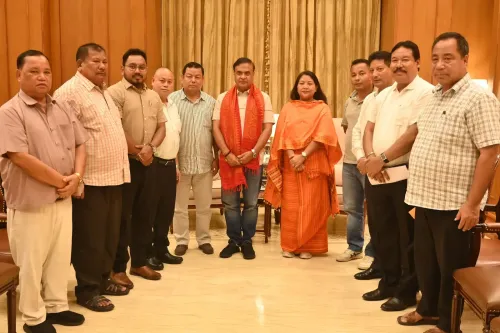
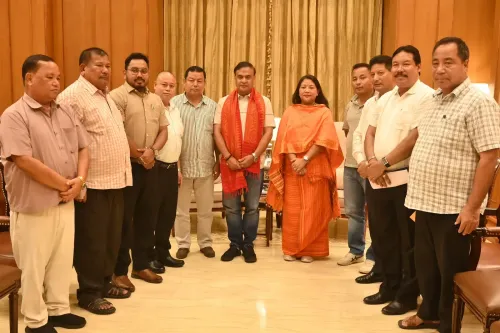
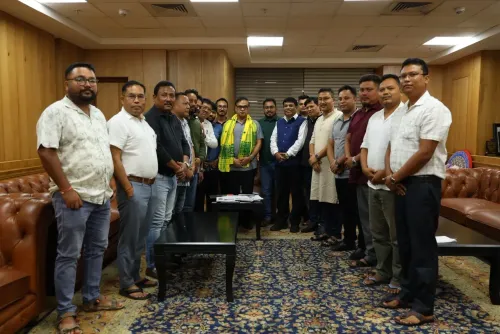
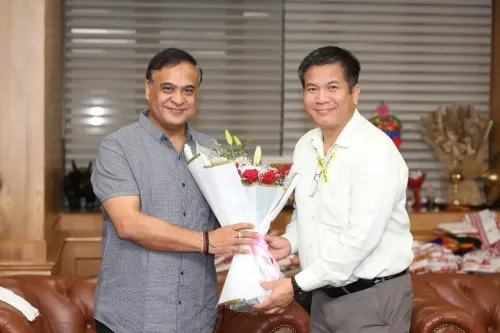
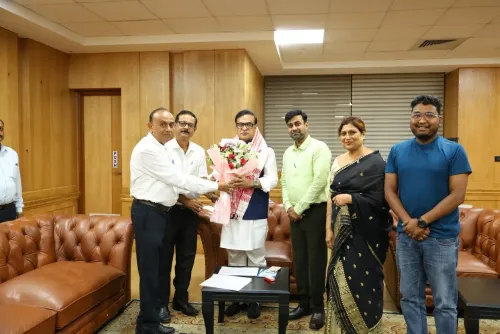
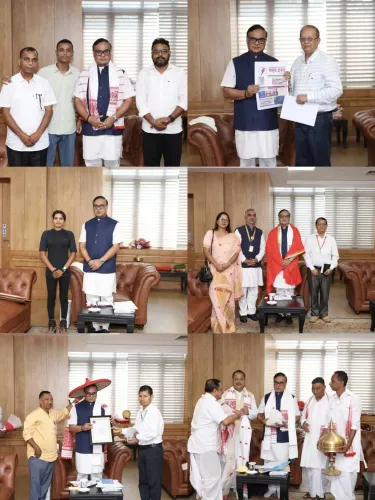
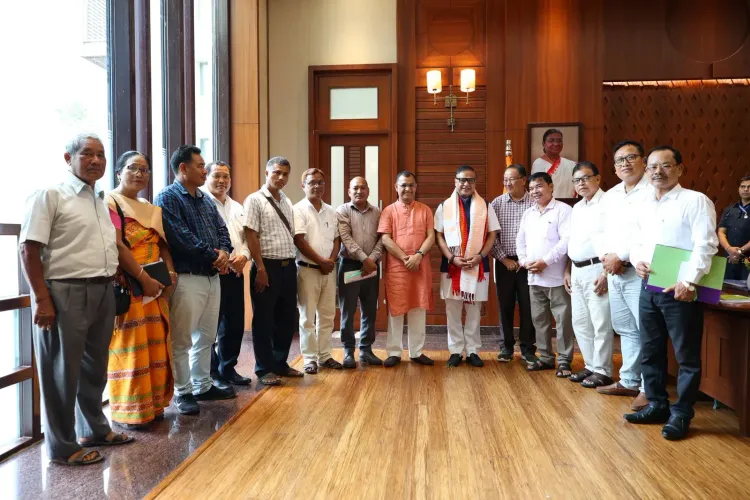
Chief Minister Himanta Biswa Sarma met a joint delegation from the Bodo Sahitya Sabha, United Bodo People's Organisation, and Bodo Kachari Welfare Autonomous Council on 8 July 2026. Led by Minister Biswajit Daimary, the meeting discussed community issues ahead of the 66th Bodo Sahitya Sabha Conference, reflecting ongoing state engagement with Bodo organisations under the 2020 Bodo Accord framework.
Key Takeaways
A joint delegation from the Bodo Sahitya Sabha , United Bodo People's Organisation , and Bodo Kachari Welfare Autonomous Council met CM Himanta Biswa Sarma on 8 July 2026 .
The meeting was led by Cabinet Minister Biswajit Daimary , who heads the Reception Committee for the 66th Bodo Sahitya Sabha Conference .
The Bodo Kachari Welfare Autonomous Council was established under the Bodo Accord of January 2020 to serve Bodo-Kachari communities outside the BTC area.
The Bodo Sahitya Sabha , founded in 1952 , is the principal literary body for the Bodo community and organises annual conferences that shape language and education policy advocacy.
Assam has maintained structured engagement with ethnic and linguistic groups as part of implementing Northeast peace accords, a pattern this meeting continues.
Resolutions from the upcoming 66th Bodo Sahitya Sabha Conference and subsequent assembly decisions on Bodo-medium education and council funding will be closely watched.
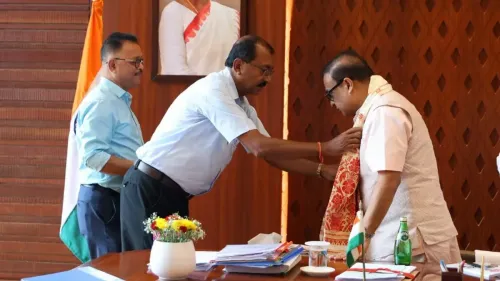
The Chief Minister's Office of Assam announced on Wednesday, 8 July 2026 that a joint delegation representing the Bodo Sahitya Sabha, the United Bodo People's Organisation (UBPO), and the Bodo Kachari Welfare Autonomous Council called upon Chief Minister Dr. Himanta Biswa Sarma to discuss a range of community issues. The meeting was accompanied by the Reception Committee for the 66th Bodo Sahitya Sabha Conference, led by Cabinet Minister Shri Biswajit Daimary.
Context
The delegation brought together three of the most prominent Bodo representative bodies in Assam, signalling a coordinated effort to place community concerns before the state's top executive. The Bodo Sahitya Sabha, founded in 1952, is the principal literary and cultural organisation of the Bodo people, known for organising annual conferences that double as platforms for community advocacy on language and education. The United Bodo People's Organisation is an umbrella socio-political body that has historically engaged with governments on issues of land, linguistic rights, and administrative autonomy.
The Bodo Kachari Welfare Autonomous Council was created as a direct outcome of the Bodo Accord signed in January 2020 between the central government, the Assam government, and Bodo groups. Its mandate covers welfare and development measures for Bodo-Kachari communities living outside the Bodoland Territorial Council (BTC) area, making it a critical institution for a dispersed population.
Policy Backdrop
The 2020 Bodo Accord marked a landmark in Assam's peace process, expanding the BTC's jurisdiction and establishing new autonomous bodies to address longstanding demands for self-governance and cultural recognition. The accord built on an earlier 2003 agreement that had first granted Bodo the status of an associate official language in Assam, a recognition that the Bodo Sahitya Sabha had long championed. Successive state governments have held periodic structured meetings with Bodo organisations as part of the accord's implementation framework.
Minister Biswajit Daimary, a former Speaker of the Bodoland Territorial Council and a senior figure in Bodo political circles, leading the Reception Committee underscores the significance the state attaches to the upcoming 66th Bodo Sahitya Sabha Conference. Such conferences have historically served as forums where resolutions on Bodo-medium education, council funding, and linguistic policy are adopted and subsequently taken up with the government.
Stakeholders and Impact
For the Bodo community — one of the largest plains tribal groups in Assam — direct access to the Chief Minister through a joint delegation is a meaningful signal of institutional engagement. The involvement of the Bodo Kachari Welfare Autonomous Council alongside literary and political bodies suggests the discussions spanned both cultural and administrative welfare concerns. Communities residing outside the BTC area, who depend on the autonomous council for development outreach, stand to benefit from any policy commitments that may emerge.
The meeting also carries weight for the broader multi-ethnic governance model that Assam has pursued since the Northeast peace processes of the 2000s. Structured dialogue between the state executive and ethnic representative bodies has been a recurring mechanism for managing linguistic and cultural aspirations within a constitutional framework.
What's Next
Attention will now turn to the 66th Bodo Sahitya Sabha Conference and any resolutions it adopts on Bodo-language education, council funding, or administrative autonomy. Follow-up decisions in the Assam Legislative Assembly on Bodo-medium schooling or budgetary allocations for the autonomous councils will be a key indicator of how the government responds to the delegation's concerns. The Assam government's track record of post-meeting implementation under the 2020 accord framework will be closely watched by Bodo civil society groups across the state.
Point of View
CM Himanta Biswa Sarma signals that the state views the 66th Bodo Sahitya Sabha Conference as politically significant, not merely ceremonial. The convergence of literary, welfare, and socio-political bodies in a single delegation suggests the community is coordinating its asks, raising the stakes for any follow-up government response. How the Assam government translates this dialogue into budgetary or legislative action will test the durability of the 2020 Bodo Accord's implementation momentum.
NationPress
7 Oct 2026
Frequently Asked Questions
Why did the Bodo delegation meet CM Himanta Biswa Sarma on 8 July 2026?
A joint delegation from the Bodo Sahitya Sabha, United Bodo People's Organisation, and Bodo Kachari Welfare Autonomous Council met CM Himanta Biswa Sarma to discuss various community issues, with the meeting coinciding with preparations for the 66th Bodo Sahitya Sabha Conference.
What is the Bodo Sahitya Sabha?
The Bodo Sahitya Sabha is the principal literary and cultural organisation of the Bodo community, founded in 1952. It organises annual conferences and promotes Bodo language, literature, and education, and its conferences often produce resolutions that influence state language and education policy.
What is the Bodo Kachari Welfare Autonomous Council?
The Bodo Kachari Welfare Autonomous Council is an autonomous body created under the Bodo Accord of January 2020 to provide welfare and development measures for Bodo-Kachari communities living outside the Bodoland Territorial Council area.
Who is Biswajit Daimary and what is his role in this meeting?
Biswajit Daimary is an Assam Cabinet Minister and former Speaker of the Bodoland Territorial Council. He led the Reception Committee for the 66th Bodo Sahitya Sabha Conference and accompanied the delegation during the meeting with CM Himanta Biswa Sarma.
What was the Bodo Accord of 2020?
The Bodo Accord, signed in January 2020 between the central government, the Assam government, and Bodo groups, expanded the Bodoland Territorial Council and created new autonomous councils, including the Bodo Kachari Welfare Autonomous Council, to address Bodo community demands for self-governance and cultural recognition.