CM Himanta meets citizens in Guwahati for direct feedback
Synopsis
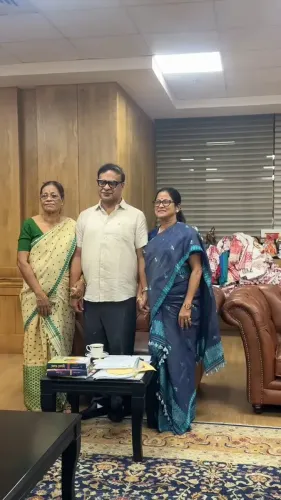
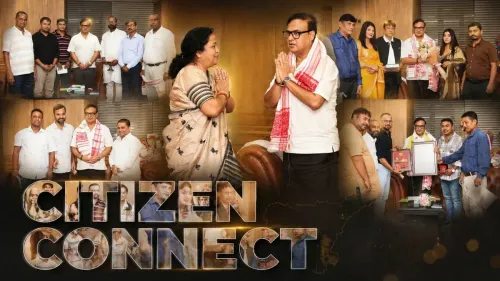
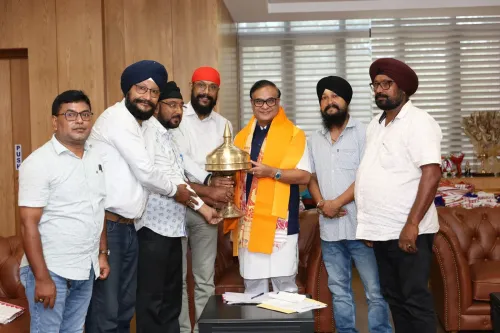
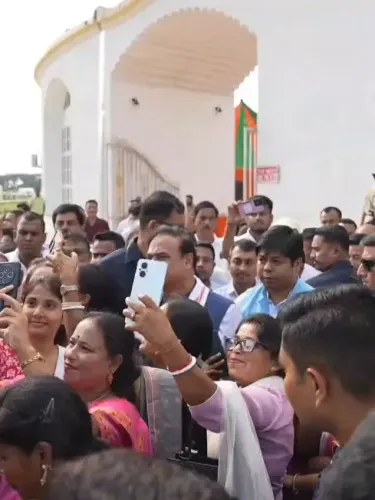
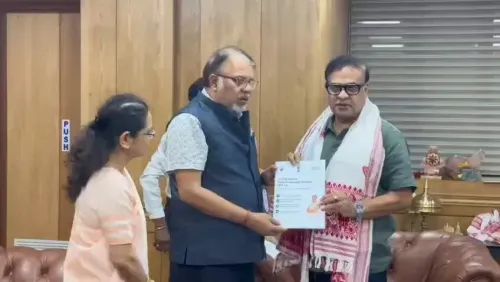
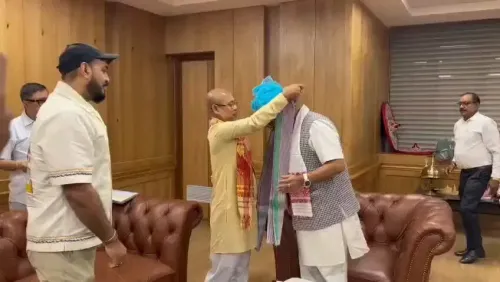
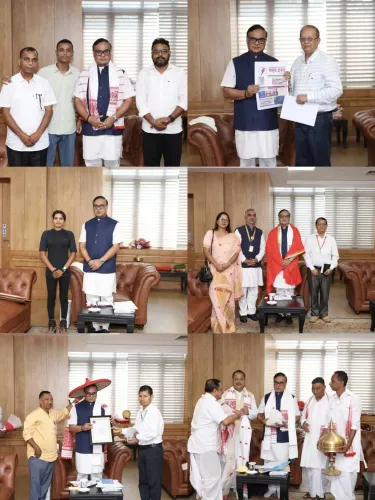
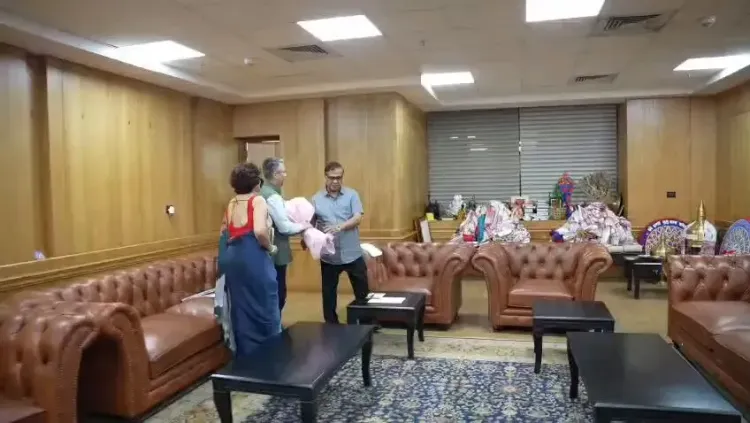
Assam Chief Minister Himanta Biswa Sarma met residents from diverse backgrounds at his Guwahati office on the night of 25 July 2026, saying direct citizen engagement helps the government understand ground realities and make timely, informed decisions.
Key Takeaways
Assam Chief Minister Himanta Biswa Sarma held a citizen interaction session at his office in Guwahati on the night of 25 July 2026 .
Residents from 'various walks of life' attended the informal meeting to share concerns directly with the Chief Minister.
Sarma stated that hearing from citizens helps the government 'understand ground realities and take timely, informed decisions.' Direct public outreach has been a recurring feature of Sarma's governance approach since he took office in May 2021 .
Such sessions are designed to complement formal bureaucratic channels and surface ground-level feedback on scheme delivery and local issues.
Assam Chief Minister Himanta Biswa Sarma held an informal public interaction at his office in Guwahati on the night of Friday, 25 July 2026, meeting residents from diverse backgrounds to hear their concerns and gather ground-level feedback on governance.
Context
Sarma described the session as an opportunity to 'interact with people from various walks of life,' adding that 'hearing directly from our citizens helps us better understand ground realities and take timely, informed decisions.' The meeting took place at his official office in Guwahati, the capital and administrative hub of Assam.
Such direct outreach sessions have been a visible feature of Sarma's governance style since he assumed office in May 2021. The Chief Minister has consistently presented citizen engagement as a complement to formal bureaucratic channels, allowing unfiltered feedback to reach the top of the administration.
Policy Backdrop
Across Assam, the BJP-led state government has pursued a broad agenda covering infrastructure development, flood management, and welfare scheme delivery since coming to power in 2016. Informal public meetings of this kind are positioned as a tool to identify implementation gaps that routine administrative reporting may miss.
The practice is not unique to Assam — chief ministers across Indian states and parties hold similar open-door or walkathon-style interactions — but Sarma has made it a recurring and publicly communicated feature of his administration. As convenor of the North-East Democratic Alliance (NEDA), he also carries a regional leadership profile that gives such signals broader political visibility.
Stakeholders and Impact
The primary beneficiaries of such interactions are ordinary Assam residents who gain direct access to the Chief Minister outside formal grievance portals or bureaucratic queues. Citizens from different socioeconomic backgrounds — described in the post as 'various walks of life' — are able to raise concerns that might otherwise be filtered through multiple administrative layers.
For the state administration, the sessions can surface localised issues — from delayed welfare payments to infrastructure complaints — that inform subsequent departmental directions. The feedback loop, however, remains informal and its translation into concrete policy action depends on follow-up mechanisms within the government.
What's Next
Observers of Assam politics will watch for any policy announcements or administrative instructions in the weeks ahead that may be traced to concerns raised during such citizen meetings, particularly as the state approaches its next legislative assembly session or budget cycle. Sarma's emphasis on 'timely, informed decisions' suggests the interactions are intended to feed directly into near-term governance priorities rather than serve a purely ceremonial function.
Point of View
Reinforcing his image as an accessible, ground-connected chief minister ahead of what could be a politically active legislative calendar. The move fits a broader pattern among BJP-governed states of presenting direct outreach as a counter-narrative to perceptions of top-down administration. As NEDA convenor, Sarma's signals carry weight beyond Assam, and visible citizen engagement strengthens his positioning as a regional anchor for the alliance. The key question is whether these sessions translate into traceable policy outcomes or remain primarily a communication exercise.
NationPress
25 Jul 2026
Frequently Asked Questions
Why did Himanta Biswa Sarma meet citizens at his Guwahati office?
Sarma held the meeting to hear directly from residents across different backgrounds, stating it helps the government understand ground realities and make timely, informed decisions.
When did Himanta Biswa Sarma hold the citizen interaction in Guwahati?
The interaction took place on the night of Friday, 25 July 2026 , at the Chief Minister's office in Guwahati.
What is Himanta Biswa Sarma's governance approach to citizen engagement?
Since becoming Chief Minister in May 2021 , Sarma has emphasised direct public interactions as a complement to formal bureaucratic grievance channels to gather unfiltered feedback.
What issues are discussed at Assam CM's citizen interaction sessions?
While specific details of individual sessions are not always disclosed, such meetings typically cover local concerns including welfare scheme delivery, infrastructure complaints, and administrative grievances.
What could follow Himanta Biswa Sarma's citizen meeting in Guwahati?
Observers will watch for policy announcements or administrative directions in the coming weeks, particularly ahead of the next Assam legislative assembly session or state budget cycle.