CM Himanta Orders Swift, Inclusive Assam Flood Relief
Synopsis
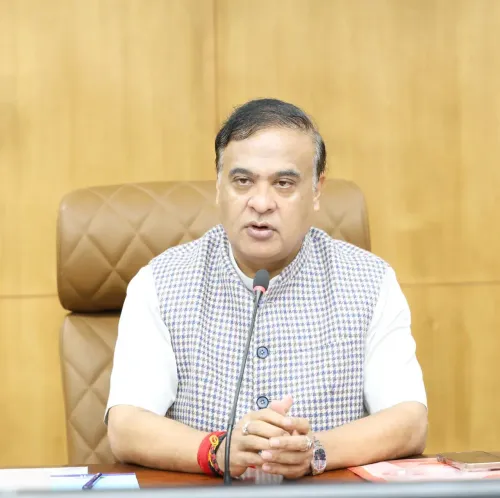
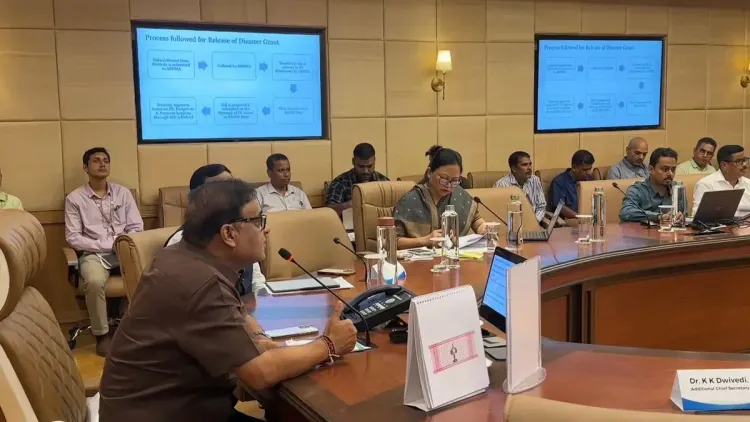
Assam CM Himanta Biswa Sarma chaired a flood response review on 10 August 2026, ordering officials to complete damage assessments exhaustively, exclude no affected family, and disburse interim relief without delay as the monsoon crisis deepens.
Key Takeaways
Assam CM Himanta Biswa Sarma chaired a flood response review on 10 August 2026 .
Officials were directed to mobilise all available manpower for a swift and exhaustive damage assessment.
The Chief Minister mandated that no affected family be excluded from relief coverage.
Interim relief must reach every eligible beneficiary without delay .
Assam faces annual monsoon flooding driven by the Brahmaputra and Barak river systems, making inclusive and rapid response a recurring governance challenge.
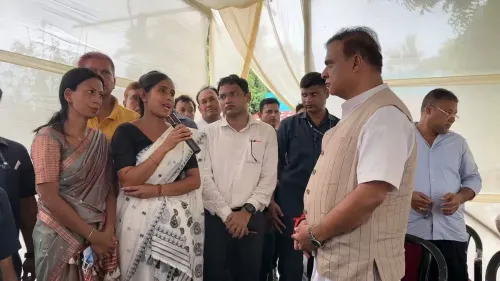
No affected family left behind — that is the directive Assam Chief Minister Himanta Biswa Sarma issued after chairing a high-level flood response review on Monday, 10 August 2026, as the state's annual monsoon crisis demands urgent administrative action.
Three mandates from the review room
Sarma distilled the session into three non-negotiable priorities: mobilise every available official to complete damage assessments swiftly and exhaustively; ensure no affected family is excluded from the count; and push interim relief to every eligible beneficiary without delay. The language is blunt by design — 'without delay' leaves district administrations no bureaucratic wiggle room.
Why Assam's flood cycle demands speed above all else
Assam sits astride the Brahmaputra and Barak river systems, which breach their banks with near-clockwork regularity each monsoon season. Successive state governments have institutionalised the post-flood review-and-relief cycle over decades, but the perennial challenge remains the same: the sheer geographic spread of displacement and crop damage routinely outpaces administrative bandwidth, leaving the most remote families at the back of the queue. Sarma's explicit instruction to be 'inclusive' targets precisely that gap.
The district machinery now on the clock
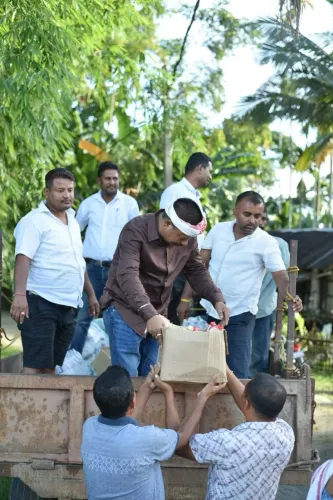
With the review directives now on record, district administration officials and field teams carry the immediate burden of execution. The twin tasks — damage assessment and interim relief disbursement — must run in parallel rather than sequence if the Chief Minister's timeline is to hold. Progress on both fronts will be closely watched through the remainder of the 2026 monsoon season.
Assam has been here before, every year. The question, as always, is whether the machinery moves fast enough to reach the last family before the next wave arrives.
Point of View
Relief that stalls at block offices. By posting the review's mandates verbatim on social media, Sarma applies political accountability pressure on officials in real time. Whether that pressure translates into faster disbursement on the ground, or remains a communication exercise, will define how this monsoon season is remembered administratively.
NationPress
11 Aug 2026
Frequently Asked Questions
What did Assam CM Himanta Biswa Sarma announce about flood relief?
After a flood response review on 10 August 2026, CM Sarma directed officials to complete damage assessments swiftly and inclusively, ensure no affected family is left out, and disburse interim relief to every eligible beneficiary without delay.
Why does Assam flood so frequently?
Assam is traversed by the Brahmaputra and Barak river systems, which overflow their banks almost every monsoon season, causing widespread displacement and crop damage across the state.
What is interim flood relief in Assam?
Interim relief is an immediate financial or material assistance provided by the Assam state government to families affected by floods, distributed ahead of a full formal damage assessment to address urgent needs.
Who is responsible for carrying out flood damage assessments in Assam?
District administration officials and field teams are responsible for conducting damage assessments; the Chief Minister's review meeting directs them to mobilise all available manpower to complete the process quickly.
What is the Assam flood review meeting?
It is a high-level administrative meeting chaired by the Chief Minister to assess the state's flood response, set priorities for relief distribution, and hold district officials accountable for timely action.