CM Himanta outlines roads, drainage and new DC office for Tinsukia
Synopsis
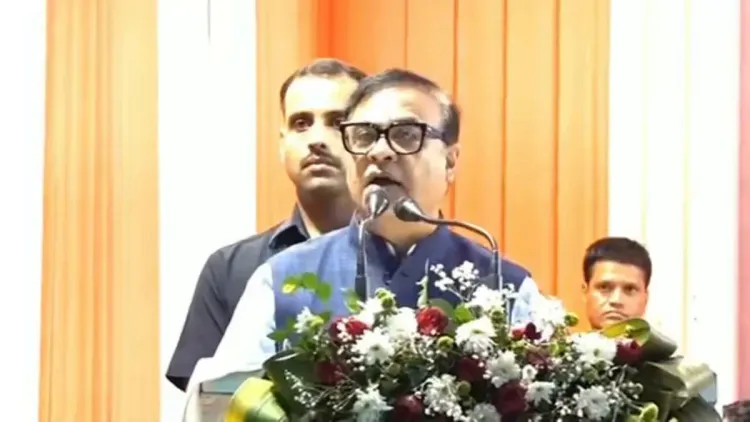
Chief Minister Dr Himanta Biswa Sarma has outlined a development package for Tinsukia — improved roads, upgraded drainage and a new Integrated District Commissioner's Office — continuing the Assam government's district-level infrastructure push in Upper Assam.
Key Takeaways
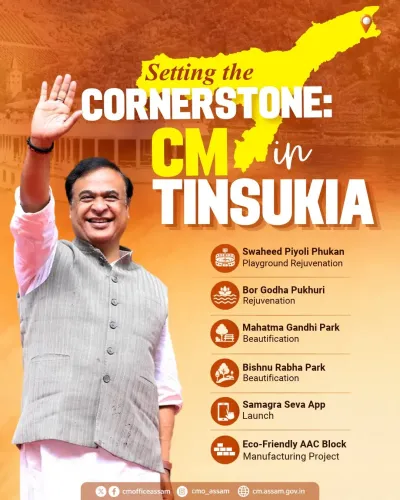
CM Himanta Biswa Sarma outlined infrastructure initiatives for Tinsukia district on 28 October 2026 .
The package covers improved roads , upgraded drainage infrastructure and a proposed Integrated District Commissioner's Office .
The Integrated DC Office aims to consolidate multiple district-level government offices under one roof, easing public access.
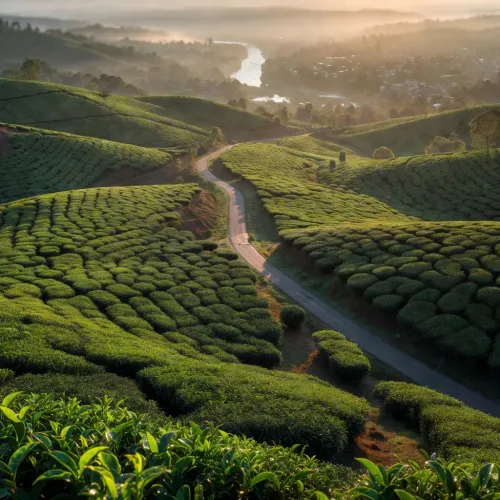
Tinsukia is a major commercial hub in eastern Assam, known for tea, oil and coal, and has faced recurring urban flooding linked to poor drainage.
The announcement continues the Sarma government's stated focus on district-level infrastructure upgrades across Upper Assam since 2021.
Tendering and land acquisition for the integrated office complex are the key milestones to watch going forward.
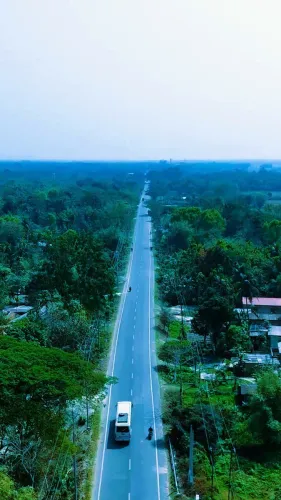
Eastern Assam's oil-and-tea heartland is getting a concrete development blueprint. On Wednesday, 28 October 2026, the Chief Minister's Office of Assam announced that Chief Minister Dr Himanta Biswa Sarma has outlined a package of infrastructure initiatives for Tinsukia district — covering improved roads, upgraded drainage and a new Integrated District Commissioner's Office that would consolidate multiple district-level offices under one roof.
What Tinsukia gets — and why it matters
Tinsukia, tucked in Upper Assam along the Arunachal Pradesh border, has long punched above its economic weight as a hub of tea estates, petroleum operations and coal. Yet its urban core has been repeatedly hammered by flooding — a direct consequence of inadequate drainage infrastructure — while residents and businesses have had to navigate a scatter of district offices to access basic administrative services. The three-pronged package Dr Sarma outlined squarely targets both problems.
Better roads and drainage form the foundation, addressing the chronic waterlogging that turns Tinsukia's streets into seasonal hazards. The proposed Integrated District Commissioner's Office goes a step further: by consolidating administrative functions under a single complex, it promises to cut the time and travel cost citizens currently spend shuttling between offices.
Assam's district-infrastructure push since 2021
The Tinsukia announcement fits a pattern that has defined the Sarma government since it took office in May 2021. The administration has steadily rolled out district-level road and drainage projects across Upper Assam as part of a wider connectivity agenda, while integrated office complexes have been announced or inaugurated in several other districts to reduce administrative fragmentation. The stated goal: lift governance delivery standards in districts that historically received far less investment than the state capital Guwahati.
Tinsukia's strategic position — a commercial gateway to Arunachal Pradesh and a node in India's northeast trade corridor — gives these upgrades a significance beyond local convenience. Better urban infrastructure here supports the broader Act East connectivity ambition that New Delhi and Dispur both champion.
What to watch next
The immediate questions are operational: the tendering process for the Integrated DC Office, land acquisition status, and whether these projects find an explicit line in the next Assam state budget or annual plan. Announcements of this kind in the Sarma era have generally moved to tender within one to two budget cycles — Tinsukia residents will be watching the same clock.
A district that generates significant revenue for the state through hydrocarbons and agriculture is finally being asked what it needs in return. The answer, it turns out, is roads that drain, offices that work, and a government willing to show up with a plan.
Point of View
As a petroleum and tea hub, makes it a high-visibility choice. The integrated office model, if executed, could become a governance template for other Upper Assam districts. The real test, however, lies in budget allocation and timely tendering — two stages where ambitious district plans in India frequently stall.
NationPress
28 Oct 2026
Frequently Asked Questions
What infrastructure projects has CM Himanta announced for Tinsukia?
CM Himanta Biswa Sarma has outlined improved roads, upgraded drainage infrastructure and a new Integrated District Commissioner's Office for Tinsukia district in eastern Assam.
What is the Integrated District Commissioner's Office in Assam?
The Integrated District Commissioner's Office is a proposed consolidated administrative complex designed to house multiple district government offices under one roof, making it easier for citizens to access services in one location.
Why does Tinsukia need better drainage infrastructure?
Tinsukia has faced chronic urban flooding due to inadequate drainage, disrupting residential areas and businesses in the district regularly during monsoon seasons.
Has the Assam government built integrated DC offices in other districts?
Yes, the Sarma government has announced or inaugurated similar integrated office complexes in several other Assam districts since 2021 as part of its broader administrative modernisation drive.
Where is Tinsukia district located in Assam?
Tinsukia is a district in eastern Assam bordering Arunachal Pradesh, known for its tea estates, petroleum industry and coal resources, and serving as a commercial gateway to the northeast.