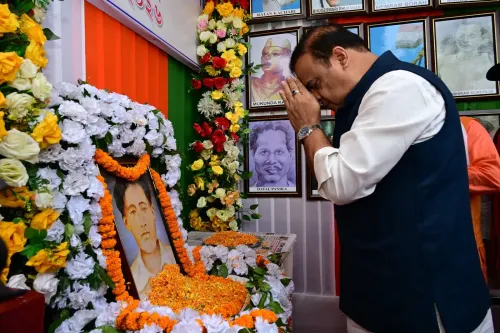
CM Himanta Pays Tribute to Bir Raghab Moran on Diwas
Synopsis
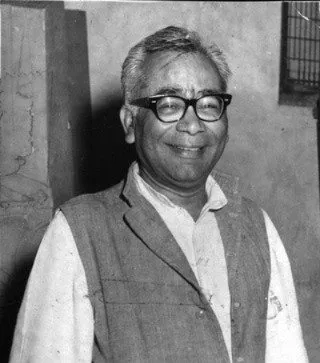
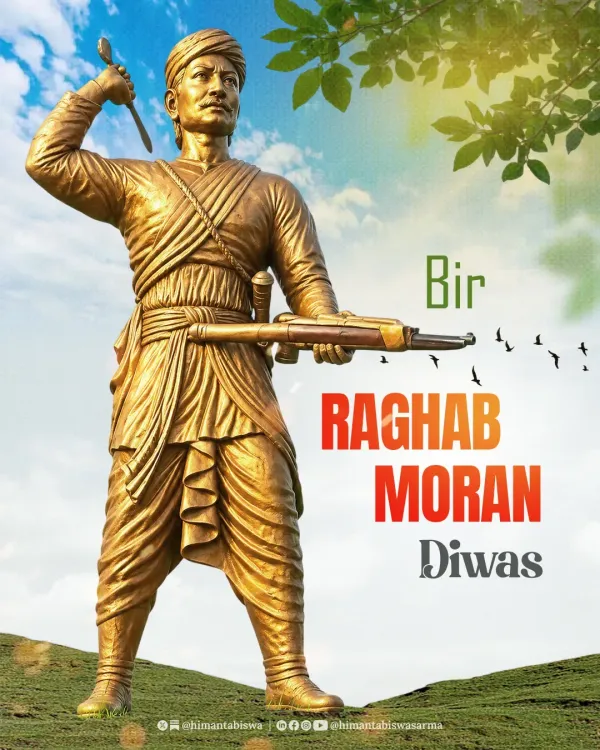
Assam Chief Minister Himanta Biswa Sarma on 19 November 2026 paid tribute to Bir Raghab Moran on Raghab Moran Diwas, honouring the 18th-century leader who spearheaded the 1769 Moamoria Rebellion against exploitation and oppression in the Ahom kingdom.
Key Takeaways
CM Himanta Biswa Sarma posted a tribute to Bir Raghab Moran on 19 November 2026 , marking Raghab Moran Diwas .
Bir Raghab Moran led the Moamoria Rebellion in 1769 , a grassroots uprising by Moamoria sattra disciples against the Ahom royal authority.
The rebellion challenged feudal exploitation and sought rights and dignity for marginalised communities in Assam .
CM Sarma described Raghab Moran as 'one of the bravest and most revered figures in Assam's history.' The tribute reflects Assam's ongoing state-level effort to commemorate indigenous resistance narratives from its pre-colonial past.
Three centuries after a fearless leader rallied the oppressed against one of Assam's most entrenched power structures, Assam Chief Minister Himanta Biswa Sarma paused on Thursday, 19 November 2026, to honour the man at the centre of that storm — Bir Raghab Moran, the 18th-century icon of the Moamoria Rebellion.
In a post on X, CM Sarma described Raghab Moran as someone who 'united the masses against injustice, exploitation and oppression and led the resistance against tyranny,' adding that he 'remains one of the bravest and most revered figures in Assam's history.' The tribute was offered on the occasion of Raghab Moran Diwas.
The 1769 uprising that shook the Ahom kingdom
The occasion points back to 1769, when Bir Raghab Moran spearheaded what history records as the Moamoria Rebellion — a series of armed uprisings by disciples of the Moamoria sattra, a Vaishnavite religious institution, against perceived exploitation at the hands of the Ahom royal court and its nobility. The rebellion was not a palace coup; it was a grassroots eruption from the margins of a feudal society, driven by communities who felt systematically excluded from power and dignity.
Raghab Moran's role, as CM Sarma framed it, was to channel that fury into organised resistance — his 'courage, leadership and unwavering resistance against injustice,' the Chief Minister wrote, 'will forever remain an important chapter in the history of Assam.'
Remembering the margins of Assam's pre-colonial past
The tribute fits a recognisable pattern in Assam's public culture: state leaders periodically spotlight indigenous resistance figures whose stories sit outside the mainstream retelling of Ahom glory. These commemorations serve a dual purpose — they acknowledge the complexity of Assam's pre-colonial social fabric, and they signal political attentiveness to the communities whose ancestors carried those struggles. The Moamoria faithful drew from sections of society that the dominant structures of the day largely ignored.
The Moamoria Rebellion itself unfolded in waves across the late 18th century, severely destabilising the Ahom state at a time when it was already facing external pressures — a confluence that would, within decades, open the door to Burmese invasions and eventually British annexation in 1826. Raghab Moran's uprising, then, was not a footnote; it was a hinge moment in the region's long arc toward colonial encounter.
A legacy written in resistance
For the communities that trace their identity to the Moamoria movement, days like this carry weight that transcends calendar ritual. CM Sarma's message — brief, but deliberate in its language of dignity and oppression — signals continued state recognition of that legacy in 2026.
Assam's classrooms and cultural institutions may yet have more to do in weaving Raghab Moran's story into the broader curriculum of the state's past. But on this morning, the Chief Minister offered what tributes are designed to offer: a moment of public memory.
Bir Raghab Moran picked up a cause the powerful had dismissed. The least history can do is remember his name.
Point of View
Where internal social ruptures proved as consequential as external invasions. Consistent recognition of such figures, if backed by curriculum and institutional action, could meaningfully reshape how the state's youngest citizens understand their own past.
NationPress
19 Nov 2026
Frequently Asked Questions
Who was Bir Raghab Moran?
Bir Raghab Moran was an 18th-century leader of the Moamoria sect in Assam who spearheaded the Moamoria Rebellion in 1769 against exploitation by the Ahom royal court and nobility, making him one of the most significant resistance figures in Assam's pre-colonial history.
What was the Moamoria Rebellion of 1769?
The Moamoria Rebellion of 1769 was a series of armed uprisings by disciples of the Moamoria sattra, a Vaishnavite religious institution in Assam, against perceived exploitation and oppression by the Ahom state and its ruling nobility. It severely destabilised the Ahom kingdom.
What is Raghab Moran Diwas?
Raghab Moran Diwas is an observance in Assam that commemorates the legacy of Bir Raghab Moran, the leader of the 1769 Moamoria Rebellion. Assam CM Himanta Biswa Sarma paid tribute on this day on 19 November 2026.
Why did CM Himanta Biswa Sarma pay tribute to Raghab Moran?
CM Himanta Biswa Sarma paid tribute to Bir Raghab Moran on Raghab Moran Diwas to honour the 18th-century leader's courage and resistance against injustice, calling him one of the bravest and most revered figures in Assam's history.
How did the Moamoria Rebellion affect Assam's history?
The Moamoria Rebellion significantly weakened the Ahom kingdom at a critical time, contributing to political instability that later made Assam vulnerable to Burmese invasions and, eventually, British annexation in 1826.