CM Himanta Backs Grand Statue of Chaolung Siu-Ka-Pha at Tipam
Synopsis
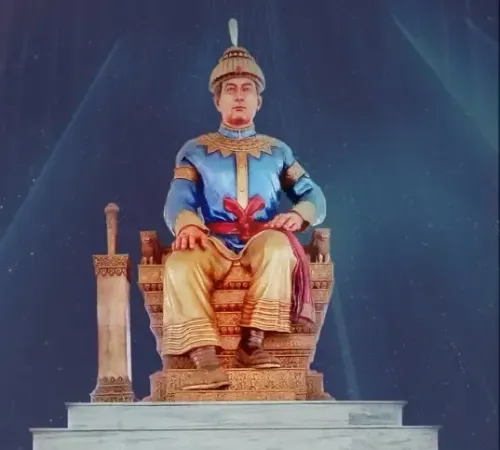
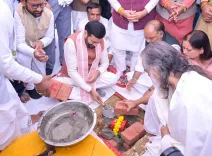
Assam Chief Minister Himanta Biswa Sarma has announced a grand statue of Ahom kingdom founder Chaolung Siu-Ka-Pha at Tipam in upper Assam, framing the project under his 'Vikas Bhi, Virasat Bhi' — development alongside heritage — governance philosophy.
Key Takeaways
Assam CM Himanta Biswa Sarma announced a grand statue of Chaolung Siu-Ka-Pha at Tipam in upper Assam on 21 November 2026 .
Chaolung Siu-Ka-Pha founded the Ahom kingdom in Assam in 1228 AD and is revered as a cultural progenitor by the Ahom community.
The project is framed under the 'Vikas Bhi, Virasat Bhi' (Development Too, Heritage Too) philosophy, linking infrastructure with cultural preservation.
Tipam , in upper Assam, is historically associated with early Ahom settlements and is being developed as a heritage destination.
Specific timelines and costs for the statue project have not yet been officially confirmed.
The initiative aligns with a wider pattern of Indian state governments using historical monuments to anchor regional identity and tourism investment.
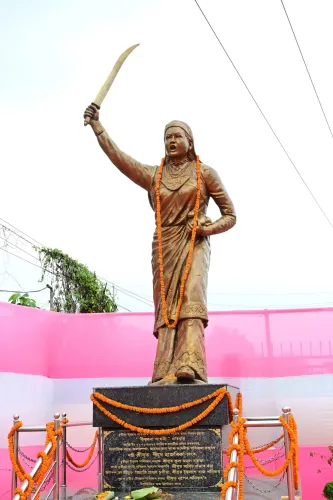
An ancient kingdom's founding father is set to rise again in stone — this time in Tipam, upper Assam — as Assam Chief Minister Himanta Biswa Sarma reaffirmed on Saturday, 21 November 2026 his government's commitment to erecting a grand statue of Chaolung Siu-Ka-Pha, the 13th-century Tai prince who established the Ahom kingdom in Assam in 1228 AD.
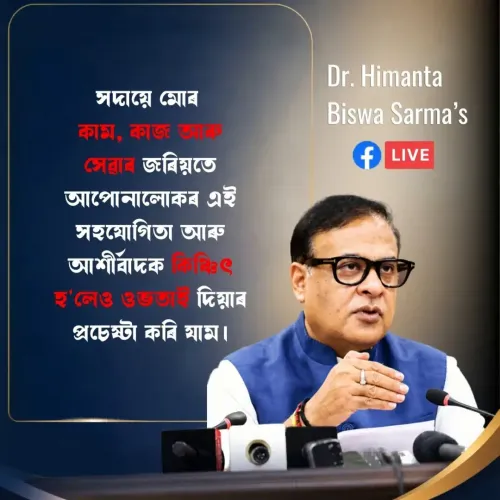
Invoking the phrase 'Vikas Bhi, Virasat Bhi' — 'Development Too, Heritage Too' — Sarma framed the Tipam project not as a standalone gesture but as part of a larger governing philosophy: that infrastructure spending and cultural memory-keeping must move in lockstep. 'This is the mantra we have been working with to honour our past and shape our future,' he wrote, positioning the upcoming statue as one piece of a broader statewide effort.
Who Was Chaolung Siu-Ka-Pha — and Why Tipam?
Chaolung Siu-Ka-Pha is revered across Assam, particularly among the Ahom community, as the progenitor of a civilisation that held Assam for nearly 600 years — one of the longest-ruling dynasties in Indian history. He led his people from Mong Mao (present-day Yunnan, China) through the Patkai hills and into the Brahmaputra valley, founding what would become a formidable, culturally distinct kingdom.
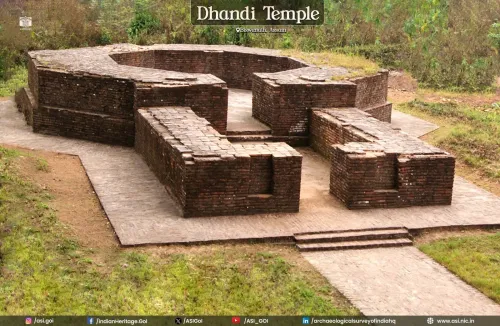
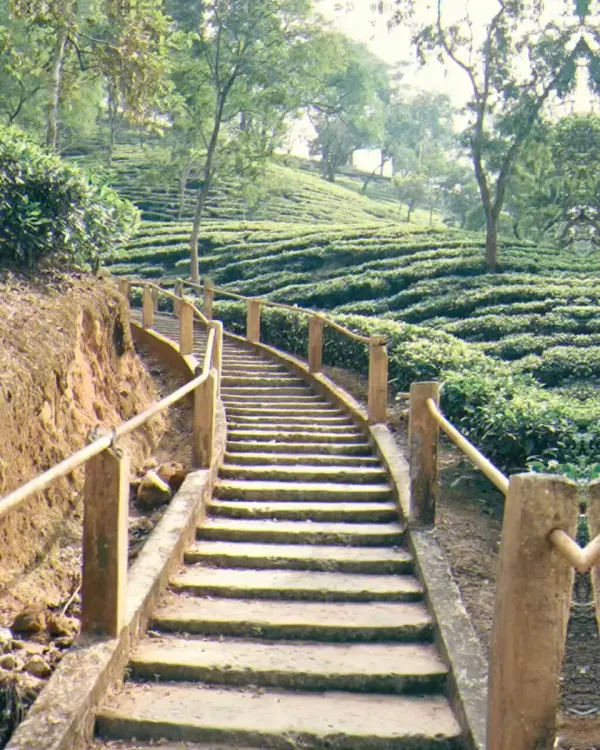
Tipam, located in upper Assam, carries deep historical resonance as a region associated with early Ahom settlements and heritage corridors. For successive Assam governments, the area has served as a natural canvas for monument-linked tourism investment, pairing statue or memorial construction with road access, connectivity upgrades, and site development works.
Development as Cultural Politics — Sarma's Consistent Playbook
Sarma, who has served as Chief Minister since 2021, has consistently woven Ahom heritage into his administration's development narrative. The 'Vikas Bhi, Virasat Bhi' framing — also a phrase associated with broader BJP governance philosophy at the national level — allows the government to simultaneously signal fiscal ambition and cultural pride to communities in upper Assam, where the Ahom identity remains a powerful electoral and social force.
The pattern is well-established across Indian states: a historical figure becomes the anchor for a development cluster — statue, tourism infrastructure, improved connectivity — that delivers both visible government activity and a reaffirmation of local identity. In Assam's case, with its rich but often under-commemorated Ahom legacy, the stakes of that symbolism are particularly high.
What Comes Next at Tipam
The Chief Minister's post signals momentum but specific timelines, project costs, or inauguration dates for the Chaolung Siu-Ka-Pha statue at Tipam have not yet been publicly confirmed. Progress reports and official announcements from the Assam government will be the next markers to watch as the project moves from pledge to ground reality.
For the Ahom community and residents of upper Assam, the promise carries both cultural and economic weight — a grand heritage site can catalyse tourism, local employment, and civic infrastructure in a region that has long awaited its moment in the development spotlight. When stone meets soil at Tipam, it will mark more than a statue. It will mark a statement.
Point of View
Virasat Bhi' framing is also a deft political move: it pre-empts criticism that heritage spending crowds out development by collapsing the distinction entirely. Watch whether the Tipam project becomes the centrepiece of a larger upper Assam tourism corridor push — if it does, the political and economic logic will be complete.
NationPress
21 Nov 2026
Frequently Asked Questions
Who is Chaolung Siu-Ka-Pha and why is he important to Assam?
Chaolung Siu-Ka-Pha was a Tai prince who founded the Ahom kingdom in Assam in 1228 AD , leading his people from present-day Yunnan, China through the Patkai hills into the Brahmaputra valley. He is revered across Assam, especially by the Ahom community, as the father of an extraordinary civilisation that ruled the region for nearly 600 years.
Where is the Chaolung Siu-Ka-Pha statue being built in Assam?
The grand statue of Chaolung Siu-Ka-Pha is planned at Tipam , a region in upper Assam associated with early Ahom settlements and heritage sites.
What does 'Vikas Bhi, Virasat Bhi' mean?
'Vikas Bhi, Virasat Bhi' is a Hindi phrase meaning 'Development Too, Heritage Too.' Assam CM Himanta Biswa Sarma uses it to describe his government's approach of pursuing infrastructure growth and cultural preservation simultaneously.
When will the Chaolung Siu-Ka-Pha statue at Tipam be completed?
No specific inauguration date, timeline, or project cost for the Chaolung Siu-Ka-Pha statue at Tipam has been officially announced as of November 2026 .
What is the significance of Tipam in Assamese history?
Tipam is a region in upper Assam with deep historical links to early Ahom settlements, making it a natural site for heritage commemoration and tourism development projects tied to the Ahom kingdom's legacy.