CM Himanta marks 12 years of Vikas Bhi, Virasat Bhi in Assam

Synopsis
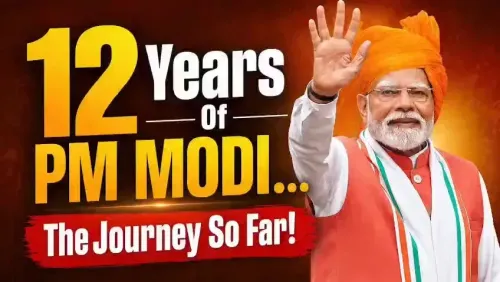
Assam Chief Minister Himanta Biswa Sarma on June 18, 2026, shared state highlights marking 12 years of the Vikas Bhi, Virasat Bhi framework — PM Modi's governance philosophy that pairs economic development with cultural heritage preservation across BJP-led states, including in the North-East.
Key Takeaways
CM Himanta Biswa Sarma posted on June 18, 2026 , highlighting Assam government activities under the Vikas Bhi, Virasat Bhi framework.
The post marks 12 years of the dual development-heritage governance philosophy first articulated by PM Narendra Modi in 2014 .
CM Sarma invoked Aai Asomi (Mother Assam), underscoring the state government's identity-linked development messaging.
As convenor of NEDA , Sarma has aligned multiple North-Eastern states with this central BJP governance vision.
The milestone is expected to prompt further state-level events and heritage-linked infrastructure announcements across BJP -governed states.
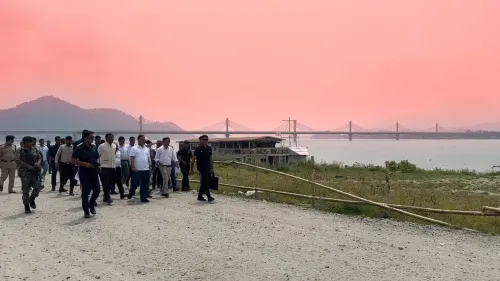
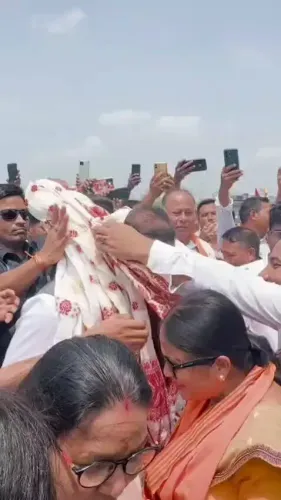
Assam Chief Minister Himanta Biswa Sarma on Thursday, June 18, 2026, shared highlights from the previous day's activities in the state, framing them under the Vikas Bhi, Virasat Bhi governance philosophy championed by Prime Minister Narendra Modi — marking 12 years of the dual-track approach that pairs economic development with cultural heritage preservation.
Context
In his post on X, CM Sarma invoked the concept of Aai Asomi (Mother Assam), signalling the state government's commitment to serving the people of Assam through both infrastructure advancement and the safeguarding of indigenous traditions. The hashtag #12YearsOfVikasBhiVirasatBhi anchors the post to a broader national milestone being observed across BJP-governed states.
The phrase Vikas Bhi, Virasat Bhi — roughly translated as 'Development too, Heritage too' — was first articulated by Prime Minister Modi during the 2014 general election campaign and has since served as a guiding principle for central and state-level governance.
Policy Backdrop
Over the past 12 years, the Vikas Bhi, Virasat Bhi framework has been applied across BJP-led governments to justify simultaneous investment in roads, connectivity, and economic zones alongside restoration of temples, cultural sites, and indigenous festivals. In Assam and other North-Eastern states, this approach has carried particular weight given the region's distinct linguistic, ethnic, and cultural identities.
As convenor of the North-East Democratic Alliance (NEDA), CM Sarma has been a key architect of aligning North-Eastern state governments with this central vision. NEDA currently encompasses multiple North-Eastern states and has used the dual-development framework as a unifying political and administrative message across the region.
Stakeholders and Impact
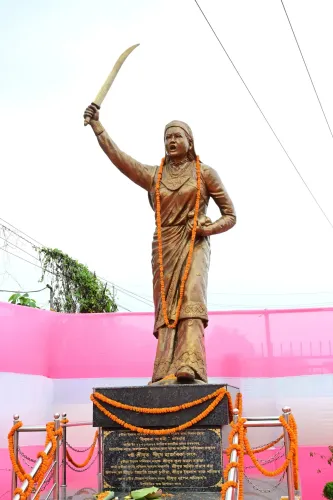
The primary beneficiaries cited in the state government's framing are Assam's residents, with particular emphasis on indigenous communities whose cultural heritage the policy claims to protect. Development projects in the state have ranged from road and rail connectivity in remote districts to preservation of satras (Vaishnavite monasteries) and other heritage sites.
Critics and civil society observers in the region have at times questioned whether the heritage component adequately reflects the diversity of Assam's many ethnic groups, or whether it disproportionately centres specific cultural traditions. The state government's position, as reflected in CM Sarma's consistent messaging, is that both tracks are pursued in tandem and with equal priority.
What's Next
The 12-year milestone of the Vikas Bhi, Virasat Bhi approach is likely to prompt a series of state-level events and announcements across BJP-governed states in the coming weeks. For Assam specifically, attention will turn to the rollout of heritage-linked infrastructure projects and any formal commemorative events that CM Sarma's government may organise to mark the occasion. The broader political messaging signals that Assam's administration intends to keep this dual framework at the centre of its public communication ahead of future electoral cycles.
Point of View
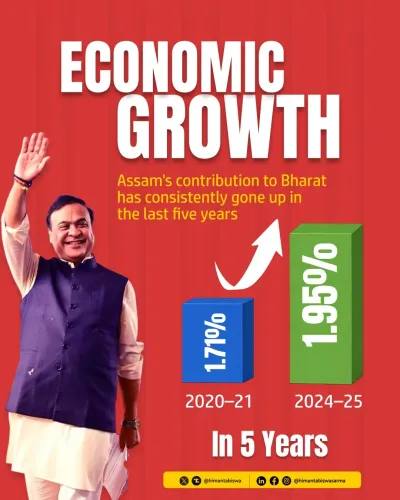
Tethering Assam's governance record to PM Modi's 12-year-old Vikas Bhi, Virasat Bhi framework at a moment when the BJP is likely to amplify the milestone nationally. By invoking Aai Asomi, Sarma also localises a pan-India slogan into a regional identity narrative — a consistent tactic in North-Eastern politics where cultural belonging is a powerful electoral currency. As NEDA convenor, his messaging serves a dual purpose: reinforcing Assam's development credentials while signalling solidarity with the central leadership. The 12-year framing suggests a coordinated communication push across BJP-governed states that will intensify in the weeks ahead.
NationPress
20 Sept 2026
Frequently Asked Questions
What is Vikas Bhi, Virasat Bhi?
Vikas Bhi, Virasat Bhi is a BJP governance philosophy, meaning 'Development too, Heritage too,' first articulated by PM Narendra Modi during the 2014 general election campaign. It calls for simultaneous pursuit of economic growth and cultural heritage preservation.
What did Assam CM Himanta Biswa Sarma post on June 18, 2026?
CM Sarma shared highlights from the previous day's activities in Assam, framing them under the Vikas Bhi, Virasat Bhi philosophy and marking 12 years of the governance approach with the hashtag #12YearsOfVikasBhiVirasatBhi.
What does Aai Asomi mean?
Aai Asomi is an Assamese phrase meaning 'Mother Assam.' CM Sarma used it to express the state government's dedication to serving the people and identity of Assam.
What is NEDA and what is Himanta Biswa Sarma's role in it?
NEDA, the North-East Democratic Alliance, is a BJP-led political alliance of parties governing several North-Eastern states. Himanta Biswa Sarma serves as its convenor, coordinating political and governance alignment across the region.
How has the Vikas Bhi, Virasat Bhi framework been applied in Assam?
In Assam, the framework has been used to justify investments in road and rail connectivity alongside preservation of indigenous cultural sites such as Vaishnavite satras, positioning economic and heritage goals as complementary rather than competing priorities.