CM Himanta Reviews 13 Depts for Assam Budget 2026
Synopsis
Chief Minister Himanta Biswa Sarma reviewed 13 key departments at Lok Sewa Bhawan on 24 June 2026, marking a significant step in Assam Budget 2026 preparations. The exercise focuses on sectoral priorities and efficient resource allocation to deliver a growth-oriented, inclusive budget for Assam's people.
Key Takeaways
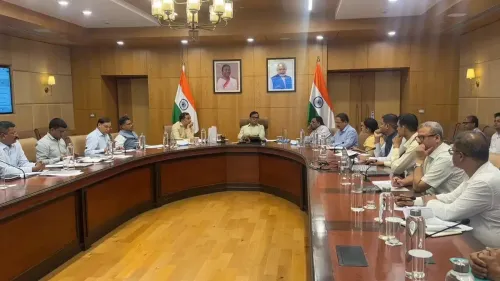
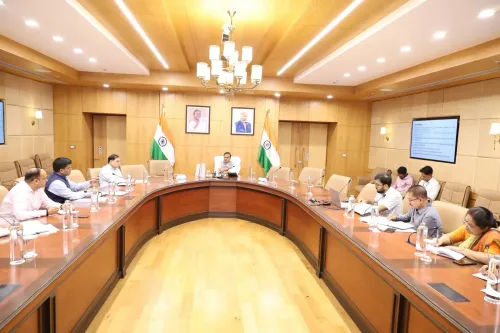
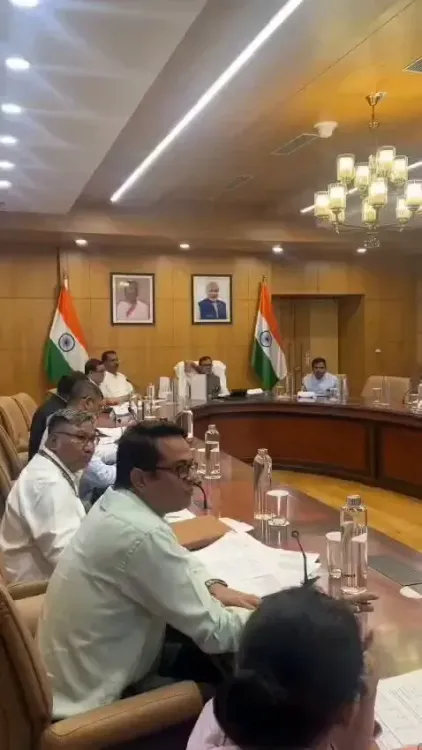
CM Himanta Biswa Sarma chaired a comprehensive budget planning meeting on 24 June 2026 at Lok Sewa Bhawan, Guwahati .
13 key state departments were reviewed for sectoral priorities and resource allocation.
The exercise is aimed at shaping a 'growth-oriented, inclusive and future-ready' Assam Budget 2026 .
Structured pre-budget departmental reviews have been a feature of CM Sarma's governance since May 2021 .
The final budget will be presented in the Assam Legislative Assembly ; specific allocations remain to be announced.
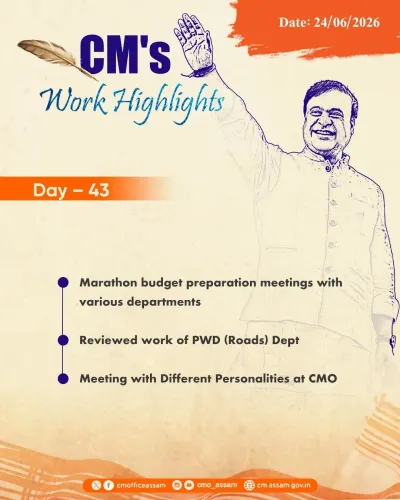
The Chief Minister's Office of Assam announced on Wednesday, 24 June 2026, that Chief Minister Dr. Himanta Biswa Sarma chaired a comprehensive budget planning meeting at Lok Sewa Bhawan, Guwahati, reviewing 13 key state departments as preparations for Assam Budget 2026 gather pace.
Context
The meeting, convened at the state secretariat, focused on sectoral priorities, efficient resource allocation, and accelerating Assam's broader development agenda. The Chief Minister's Office described the exercise as aimed at shaping a 'growth-oriented, inclusive and future-ready Budget for the people of Assam.' The review marks one of the early formal steps in the state's annual budget cycle for the financial year beginning April 2027.
Lok Sewa Bhawan in Guwahati serves as the seat of high-level administrative deliberations for the Government of Assam, housing key secretariat offices. Holding such reviews at this venue signals the meeting's official weight within the state's fiscal planning machinery.
Policy Backdrop
Since assuming office in May 2021, Chief Minister Himanta Biswa Sarma has institutionalised structured pre-budget departmental reviews as a core feature of Assam's fiscal governance. These exercises are designed to align departmental spending demands with the state government's stated priorities of infrastructure development, welfare delivery, and administrative efficiency.
Across India, state governments routinely conduct multi-month budget exercises involving chief ministerial oversight of sectoral demands well ahead of the legislative presentation. Assam has consistently emphasised growth-oriented and inclusive budgeting in recent years to address persistent infrastructure gaps and the region's development needs within the northeastern corridor.
Stakeholders and Impact
The pre-budget review directly shapes the resource envelope available to 13 departments whose programmes touch the lives of Assam's roughly 3.5 crore residents. Sectoral allocations emerging from such meetings typically influence spending on agriculture, health, education, roads, and social welfare — areas central to the state government's development narrative.
For civil servants and departmental heads, the Chief Minister's direct engagement in the review process signals that allocations will be scrutinised against demonstrable outcomes, not merely historical expenditure patterns. Citizens and local bodies downstream of state funding can expect the eventual budget to reflect the priorities surfaced in these consultations.
What's Next
Further rounds of departmental reviews are expected in the coming months as the budget formulation process advances toward the Assam Legislative Assembly session, where the final Budget 2026 will be presented. The specific allocations, scheme announcements, and numerical targets that emerge from these internal consultations will become public only at the time of the budget speech. Observers will watch whether the 'future-ready' framing translates into increased capital expenditure or new flagship welfare commitments for the state's northeastern population.
Point of View
Not just routine allocation. For a BJP-ruled state in the northeast, demonstrating proactive fiscal governance also serves a broader political purpose: reinforcing Assam's image as a model for development in a region historically marked by resource constraints. The outcome will depend on whether the pre-budget consultative rigour translates into credible capital expenditure commitments when the assembly session arrives.
NationPress
25 Jun 2026
Frequently Asked Questions
What is the Assam Budget 2026 review about?
Chief Minister Himanta Biswa Sarma reviewed 13 key state departments on 24 June 2026 at Lok Sewa Bhawan to plan sectoral priorities and resource allocation for Assam Budget 2026, with the goal of producing a growth-oriented and inclusive budget.
Which departments were reviewed for Assam Budget 2026?
The Chief Minister's Office stated that 13 key departments were reviewed, but the exact list of departments has not been officially disclosed as of the meeting date.
Where is Lok Sewa Bhawan located?
Lok Sewa Bhawan is the state secretariat building in Guwahati, Assam, and serves as the venue for high-level government meetings and administrative deliberations.
When will Assam Budget 2026 be presented?
The Assam Budget 2026 will be presented in the Assam Legislative Assembly during the upcoming budget session; the exact date has not yet been announced.
How does Assam conduct its pre-budget review process?
Since 2021, Chief Minister Himanta Biswa Sarma has institutionalised structured pre-budget departmental reviews where departments present their sectoral priorities and spending demands before the budget is finalised.