White House Flags Tumbling Oil Prices in Sharp Post
Synopsis
The White House on 24 June 2026 declared 'OIL PRICES TUMBLING' in a sharp social media post, drawing attention to a notable decline in global crude benchmarks with direct implications for US consumers, OPEC+ producers, and import-dependent economies like India.
Key Takeaways
The White House posted 'OIL PRICES TUMBLING' on 24 June 2026 , signalling administration attention to falling crude benchmarks.
OPEC+ had enacted successive voluntary production cuts from late 2023 to support prices; any breakdown in that discipline could drive declines.
The US Strategic Petroleum Reserve has previously been used to moderate price spikes, most notably during 2022 after the Ukraine conflict.
India , as a major crude importer, stands to benefit from lower global oil prices through a reduced import bill and eased inflation pressure.
Upcoming OPEC+ ministerial meetings and US Department of Energy announcements will be key signals for where prices head next.
White House communications on oil prices historically serve as signals of administration economic priorities and a bid to claim credit for consumer relief.
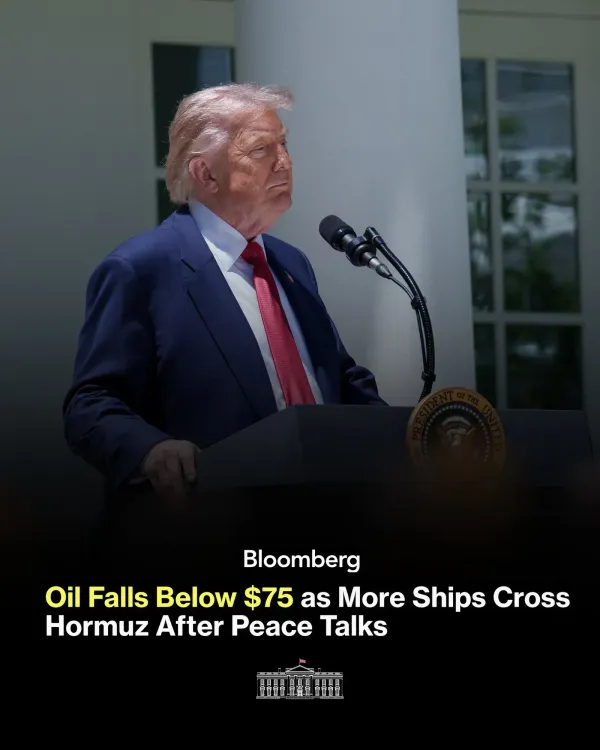
The White House, the official communications account of the Executive Office of the President of the United States, posted a terse but pointed message on Wednesday, 24 June 2026, declaring 'OIL PRICES TUMBLING' — signalling the administration's attention to a notable downward movement in global crude benchmarks.
Context
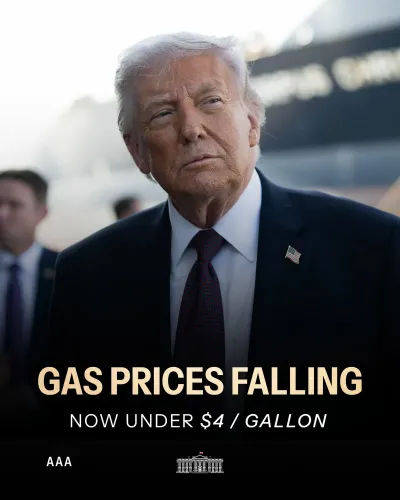
The two-word declaration, posted in all-capitals alongside an image, is a deliberate communication choice. White House accounts have historically used blunt, emphatic language to draw public attention to economic data that the administration views as favourable to consumers — particularly when falling energy costs translate directly into lower petrol and household energy bills.
Oil prices have an outsized impact on everyday spending. When crude benchmarks fall, the relief tends to flow through to fuel pumps within days, easing pressure on inflation and disposable incomes across the United States and, through global commodity linkages, in import-dependent economies including India.
Policy Backdrop
The relationship between the White House and global oil markets has been active for years. During 2022, the then-administration authorised large releases from the Strategic Petroleum Reserve (SPR) — the US government-held crude stockpile — to moderate gasoline prices following the Russian invasion of Ukraine. Those releases were among the largest in the SPR's history.
From late 2023 onward, the OPEC+ coalition — the grouping of major oil-producing nations that coordinates production quotas — enacted successive voluntary output cuts aimed at propping up benchmark prices. Any reversal of that trend, or a breakdown in OPEC+ discipline, would be consistent with the kind of price decline the White House post appears to reference, though the specific cause of the June 2026 movement has not been officially stated.
Stakeholders and Impact
US consumers are the most direct beneficiaries of falling crude prices, with lower costs at the petrol pump and reduced home heating bills. For the administration, cheaper energy is a political asset, easing one of the most visible components of household inflation.
For oil-producing nations — including OPEC+ members such as Saudi Arabia, Russia, and the UAE — a sustained price decline compresses government revenues and tests the cohesion of their output agreements. India, as one of the world's largest crude importers, stands to benefit materially: every significant drop in global oil prices narrows the country's import bill, supports the rupee, and gives the Reserve Bank of India more room on inflation management.
What's Next
Analysts and energy traders will watch upcoming OPEC+ ministerial meetings closely for any signal of fresh production adjustments in response to falling prices. The US Department of Energy may also issue guidance on Strategic Petroleum Reserve policy or export licensing depending on how markets evolve.
For India and other Asian importers, sustained lower prices would represent a meaningful tailwind for economic management heading into the second half of 2026. The White House's decision to amplify the price movement publicly suggests the administration intends to claim political credit should the decline hold.
Point of View
All-caps declaration about falling oil prices is a textbook example of an administration front-running a favourable economic headline. Energy costs are among the most politically salient of household expenses, and the post positions the administration to absorb credit should the decline persist at the pump. The timing matters: it arrives against a backdrop of sustained OPEC+ output management and ongoing global demand uncertainty, suggesting the administration sees an opening to shift the economic narrative. For India and other oil-importing nations, the subtext is equally significant — a prolonged softening of crude benchmarks would ease external account pressures that have complicated monetary and fiscal policy for much of the past two years.
NationPress
25 Jun 2026
Frequently Asked Questions
Why did the White House post about oil prices tumbling?
The White House posted to draw public attention to a decline in global crude benchmarks, a move consistent with the administration's pattern of highlighting economic data favourable to consumers, particularly on energy costs that feed directly into inflation and household spending.
How do falling oil prices affect India?
India is one of the world's largest crude oil importers, so falling global prices reduce the country's import bill, ease pressure on the rupee, and give policymakers more room to manage inflation — making it a broadly positive development for the Indian economy.
What is OPEC+ and how does it influence oil prices?
OPEC+ is a coalition of major oil-producing nations that coordinates production quotas to influence global supply and benchmark prices. From late 2023, members enacted voluntary output cuts to support prices; any weakening of that discipline can contribute to price declines.
What is the US Strategic Petroleum Reserve?
The Strategic Petroleum Reserve is a US government-held crude oil stockpile designed to address supply shocks and moderate price spikes. In 2022, large releases from the reserve were authorised to ease gasoline prices following the Russian invasion of Ukraine.
What should investors and energy markets watch after this White House post?
Markets should monitor upcoming OPEC+ ministerial meetings for production policy signals, as well as any announcements from the US Department of Energy on reserve policy or export licensing, both of which could materially influence where crude prices move next.