CM Himanta Reviews PPP Roadmap for Viksit Assam Push
Synopsis
Chief Minister Himanta Biswa Sarma on 8 June 2026 reviewed Assam's roadmap for expanding PPP projects, directing departments to identify innovative opportunities and build a bankable project pipeline under the ViksitAssam vision aligned with India's Viksit Bharat 2047 goal.
Key Takeaways
Himanta Biswa Sarma chaired a review of Assam's PPP project roadmap on 8 June 2026 .
The focus was on creating a robust pipeline of bankable projects to attract private capital.
State departments were directed to identify innovative PPP opportunities across sectors.
The initiative is anchored in the ViksitAssam vision, aligned with India's Viksit Bharat 2047 goal.
Assam has been deepening PPP engagement in roads, health, and tourism since 2021 .
Next steps include potential release of updated PPP policy guidelines and project pipeline announcements ahead of investor summits.
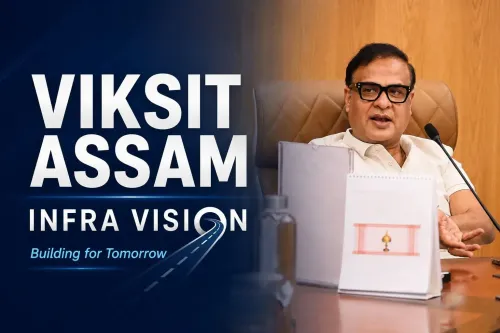
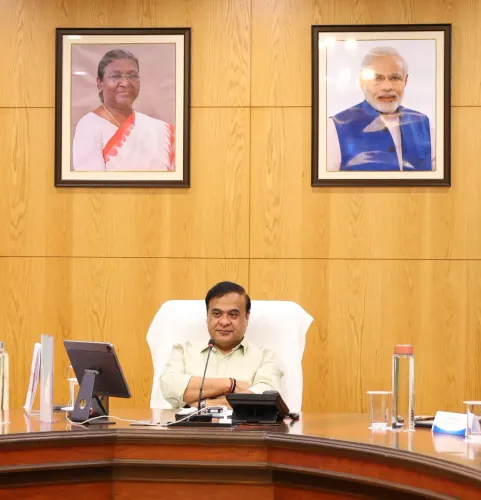
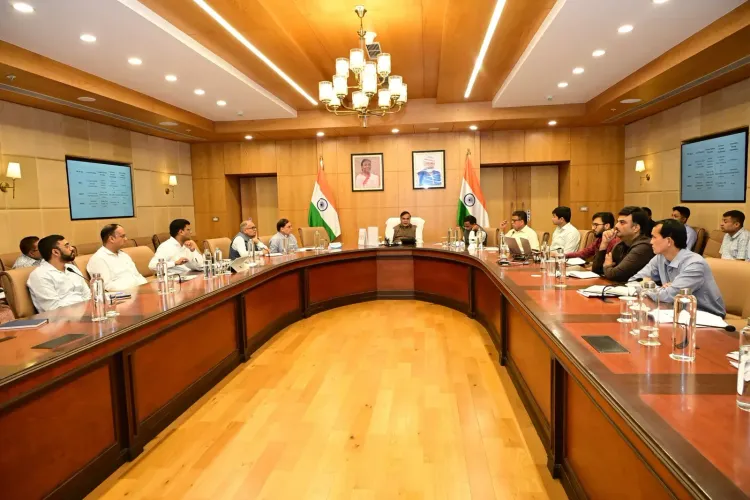
The Chief Minister's Office of Assam announced on Monday, 8 June 2026 that Chief Minister Dr. Himanta Biswa Sarma reviewed the roadmap for expanding Public-Private Partnership (PPP) projects in the state, with a focus on building a robust pipeline of bankable projects aligned with the ViksitAssam vision.
Context
At the review meeting, Dr. Himanta Biswa Sarma called upon state departments to identify innovative PPP opportunities across sectors. The emphasis on a 'bankable project pipeline' signals the government's intent to attract private capital by ensuring projects meet financial viability standards required by institutional investors and infrastructure developers.
The term 'bankable' in infrastructure parlance refers to projects structured with sufficient revenue certainty, risk allocation, and legal frameworks to secure debt financing from banks and capital markets — a prerequisite for drawing serious private-sector participation.
Policy Backdrop
The review is rooted in a broader federal push. The Government of India launched the National Infrastructure Pipeline (NIP) in 2019 to systematically expand PPP-based project execution across states, and the Viability Gap Funding (VGF) scheme — operational since 2004 and revised in subsequent years — continues to support bankable PPP projects in social and economic infrastructure.
Assam, under the current administration since May 2021, has signed multiple industrial and infrastructure MoUs emphasising PPP models in roads, health, and tourism. The state's ViksitAssam framework is explicitly aligned with India's Viksit Bharat 2047 goal of achieving developed-economy status, making the mobilisation of private capital a central plank of state planning.
Northeastern states, including Assam, have historically faced infrastructure deficits relative to other Indian regions. The shift toward state-curated, ready-to-bid project lists reflects a federal pattern in which states are expected to do the groundwork to attract private investment rather than relying solely on public funding allocations.
Stakeholders and Impact
The primary beneficiaries of a strengthened PPP pipeline would be private infrastructure developers, institutional investors, and ultimately citizens who stand to gain from faster delivery of roads, healthcare facilities, urban services, and connectivity projects. State government departments are directly tasked with identifying and structuring new opportunities.
For the private sector, a well-defined pipeline reduces the cost and uncertainty of project discovery, making Assam a more competitive destination for infrastructure investment. Developers and financiers require clear timelines, transparent procurement, and credible revenue models — all elements that a structured roadmap review is designed to address.
What's Next
Observers will watch for the release of updated PPP policy guidelines from the Assam government and any formal project pipeline announcements, particularly ahead of the state budget cycle or upcoming investor summits. The direction set by CM Himanta at this review is likely to translate into departmental action plans in the weeks ahead.
If Assam succeeds in institutionalising a bankable PPP pipeline, it could serve as a replicable model for other Northeastern states seeking to close infrastructure gaps under the Viksit Bharat framework — reinforcing the region's growing role in India's infrastructure growth story.
Point of View
The government is trying to compress the gap between policy intent and investor-ready execution, which has historically been the weak link in Northeastern infrastructure delivery. This also positions Assam favourably ahead of any investor summit cycle, where a credible project shelf is a prerequisite for serious capital commitments. The alignment with Viksit Bharat 2047 gives the state political cover to push departments harder — framing infrastructure reform as a national imperative, not just a local priority.
NationPress
23 Oct 2026
Frequently Asked Questions
What is the ViksitAssam vision?
ViksitAssam is the state government's development framework aligned with India's national Viksit Bharat 2047 goal, which aims to make India a developed economy by 2047. Assam uses this framework to guide infrastructure, industrial, and social sector planning.
What is a bankable PPP project?
A bankable project is one structured with sufficient revenue certainty, risk allocation, and legal frameworks to secure debt financing from banks and investors. In PPP terms, bankability is essential for attracting private-sector participation in public infrastructure.
What did CM Himanta Biswa Sarma announce about PPP projects in Assam?
On 8 June 2026, CM Himanta Biswa Sarma reviewed Assam's PPP roadmap and directed state departments to identify innovative PPP opportunities and build a robust pipeline of bankable projects under the ViksitAssam vision.
What is India's National Infrastructure Pipeline?
The National Infrastructure Pipeline (NIP) is a Government of India initiative launched in 2019 to expand PPP-based infrastructure project execution across states, providing a framework for states to develop ready-to-bid project lists.
Which sectors does Assam focus on for PPP projects?
Assam has been actively pursuing PPP models in roads, healthcare, and tourism, with the current administration signing multiple MoUs in these sectors since May 2021.