CM Himanta Reviews Flood Relief in Four Upper Assam Districts
Synopsis
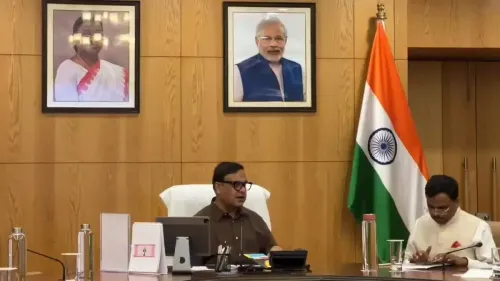
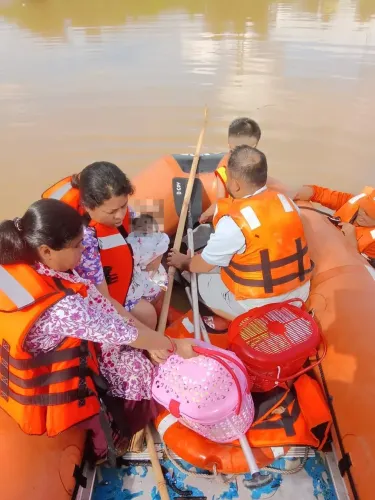
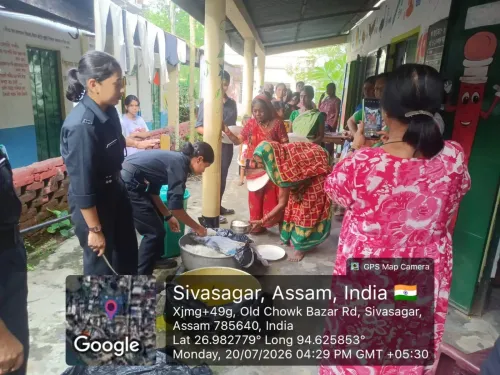
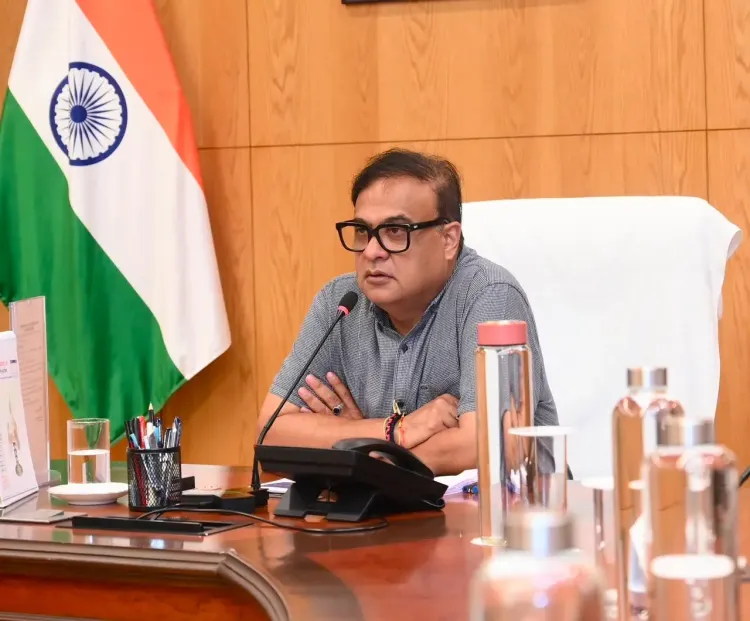
Chief Minister Himanta Biswa Sarma held a virtual meeting with ministers and MLAs on August 8, 2026, to review flood relief and rehabilitation in four Upper Assam districts — Sivasagar, Charaideo, Golaghat, and Jorhat — as the monsoon season continues to batter the Brahmaputra belt.
Key Takeaways
CM Himanta Biswa Sarma chaired a virtual flood review meeting on August 8, 2026 .
The review covered relief and rehabilitation in Sivasagar, Charaideo, Golaghat , and Jorhat — four Upper Assam districts.
Concerned state ministers and local MLAs participated in the virtual session.
The four districts lie in the Brahmaputra flood belt and face recurring annual inundation.
The Disaster Management Act, 2005 mandates state-level coordination of relief during such calamities.
Key outcomes to watch include relief disbursement timelines, crop-loss compensation, and embankment repair schedules.
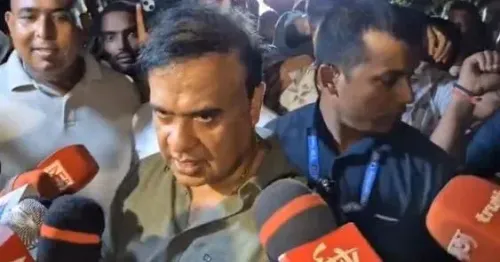
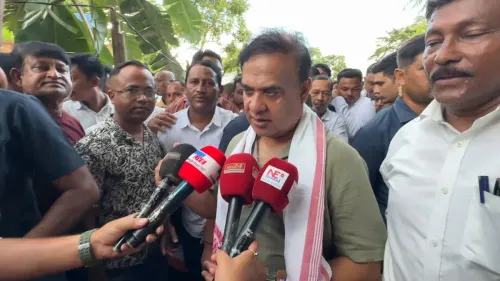
Four Upper Assam districts are underwater, and Chief Minister Himanta Biswa Sarma is not waiting for the waters to recede before acting. The Chief Minister's Office of Assam confirmed on Sunday, August 9, 2026, that Dr. Himanta Biswa Sarma chaired a virtual review meeting the previous day with concerned ministers and MLAs to assess flood relief and rehabilitation efforts in Sivasagar, Charaideo, Golaghat, and Jorhat.
Four districts, one virtual war room
The four districts named — Sivasagar, Charaideo, Golaghat, and Jorhat — form a contiguous belt of Upper Assam that bears the brunt of Brahmaputra flooding every monsoon season. Charaideo, carved out of the older Sivasagar district, and Golaghat, where agriculture and settlements crowd the riverbanks, face recurring damage to crops, homes, and road connectivity. Jorhat, Assam's tea-estate heartland, adds an economic dimension: inundated estates mean lost harvests and displaced workers. By convening ministers and local MLAs together in a single virtual session, the Chief Minister's office compressed the coordination chain — local ground-level intelligence from elected representatives feeding directly into ministerial decision-making in real time.Assam's annual flood cycle and the governance response
Assam's flooding is not a crisis that arrives without warning. The Brahmaputra and its tributaries breach banks with near-clockwork regularity each monsoon, and the Disaster Management Act, 2005 places a clear obligation on state governments to coordinate and review relief measures during such calamities. Virtual review meetings involving district-level stakeholders have become a standard tool in that response architecture — a way to cut through bureaucratic lag when roads are submerged and physical travel is impossible. The pattern across successive governments has been consistent: periodic high-level reviews, followed by relief disbursement timelines and, eventually, embankment repair assessments once floodwaters recede. The quality of what comes after the meeting is what separates routine protocol from genuine relief.What flood-affected families are watching for
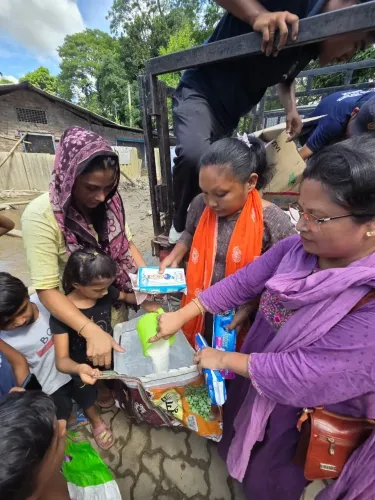
For the thousands of farming families and daily-wage workers across these four districts, the meeting's value will be measured in concrete outputs: how fast relief materials reach cut-off villages, whether crop-loss compensation is processed before the next planting cycle, and when embankment repair work begins. Those are the numbers that matter on the ground — not the meeting itself. With the monsoon still active, further flooding in these and neighbouring districts remains a live risk. The Chief Minister's virtual format signals an intent to keep the review cadence tight through the season.Point of View
Who has built a reputation for high-visibility crisis response, such meetings serve a dual function: operational coordination and a visible accountability signal to flood-affected constituencies. The inclusion of both ministers and MLAs in a single session is notable — it flattens the hierarchy and compresses the feedback loop between ground reality and state-level resource allocation. Whether this translates into faster, more targeted relief remains the test that will define the political dividend.
NationPress
9 Aug 2026
Frequently Asked Questions
Which districts did CM Himanta Biswa Sarma review for flood relief?
CM Himanta Biswa Sarma reviewed flood relief and rehabilitation efforts in Sivasagar, Charaideo, Golaghat, and Jorhat — all Upper Assam districts severely affected by monsoon flooding.
When did the Assam flood relief virtual meeting take place?
The virtual meeting was held on August 8, 2026, the day before the Chief Minister's Office announced it on social media on August 9, 2026.
Why does Assam flood every year?
Assam floods annually because the Brahmaputra river and its tributaries swell during the monsoon season, regularly breaching embankments and inundating large parts of the state, particularly Upper Assam districts.
What is the role of MLAs in Assam flood relief meetings?
MLAs provide ground-level intelligence about conditions in their constituencies, which feeds directly into ministerial decisions on relief distribution and rehabilitation priorities.
What law governs flood relief coordination in Assam?
The Disaster Management Act, 2005 mandates state governments to coordinate and review relief measures during natural calamities, including floods, providing the legal framework for such review meetings.