CM Himanta Seeks Central Help After Amit Shah Talk
Synopsis
Chief Minister Himanta Biswa Sarma has spoken with Home Minister Amit Shah over Assam's flood crisis. An Inter-Ministerial Central Team will soon visit the state to assess damage and determine central financial assistance under the Disaster Management Act, 2005.
Key Takeaways
CM Himanta Biswa Sarma held a conversation with Union Home Minister Amit Shah regarding the 2026 Assam flood crisis .
An Inter-Ministerial Central Team (IMCT) will soon visit Assam to conduct an on-ground flood damage assessment.
The IMCT mechanism operates under the Disaster Management Act, 2005 and guides central fund releases via NDRF and SDRF norms.
Assam faces near-annual monsoon flooding from the Brahmaputra and Barak river systems, making state-centre coordination a recurring necessity.
The assessment report by the central team will determine the quantum of central financial assistance released to the state.
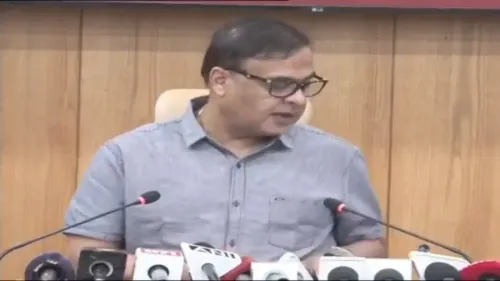
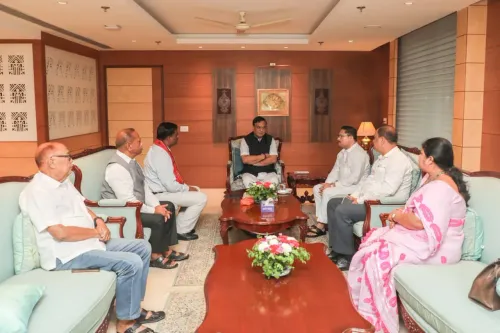
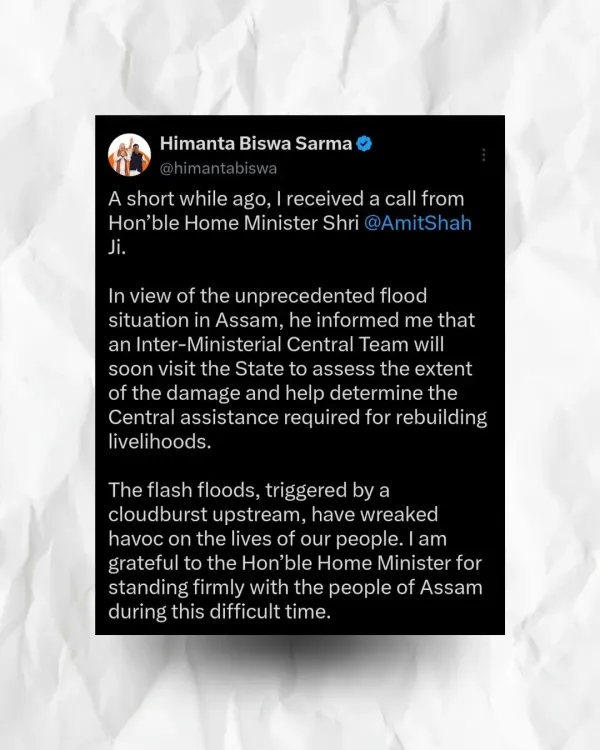
The Chief Minister's Office of Assam announced on Thursday, 23 July 2026 that Chief Minister Dr. Himanta Biswa Sarma has spoken with Union Home Minister Amit Shah regarding the ongoing flood crisis in the state, and that an Inter-Ministerial Central Team (IMCT) will soon be dispatched to Assam to assess flood damage and facilitate central assistance.
The CMO's post stated that following the conversation with the Union Minister, HCM Dr. Himanta Biswa Sarma 'informed that an Inter-Ministerial Central Team will soon visit Assam to assess the flood damage and facilitate central assistance.' The announcement signals the state government's formal request for federal support under established disaster relief protocols.
Context
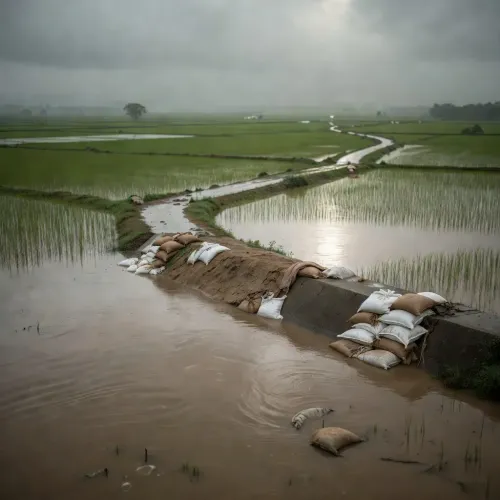
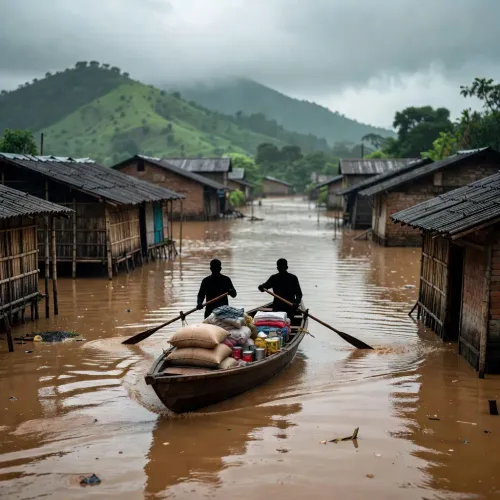
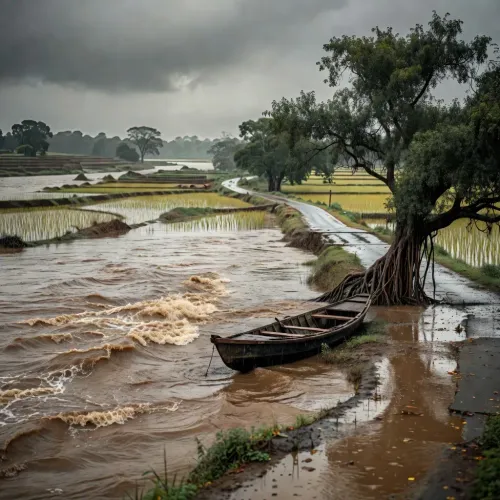
Assam is among India's most flood-prone states, with the Brahmaputra and Barak river systems inundating large swathes of the state during the June–September monsoon season almost every year. Floods typically cause extensive damage to homes, agriculture, roads, and embankments, displacing lakhs of residents and straining state resources.
The 2026 monsoon season has triggered a fresh wave of flooding, prompting CM Sarma to escalate the matter directly to the Union government through a conversation with Home Minister Amit Shah, who oversees central coordination during natural calamities.
Policy Backdrop
The deployment of an Inter-Ministerial Central Team is a standard federal mechanism under the Disaster Management Act, 2005. When a state government reports significant damage from a natural disaster, an IMCT — comprising officials from multiple central ministries — is sent to conduct an on-ground assessment. The team's findings form the basis for determining central financial support through the National Disaster Response Fund (NDRF) and State Disaster Response Fund (SDRF) norms.
Assam has invoked this mechanism multiple times in previous years, and the process of state-centre coordination for flood relief has become a recurring feature of the state's disaster management calendar. The Union Home Ministry, led by Amit Shah, plays a central role in approving and coordinating such deployments.
Stakeholders and Impact
The most immediate stakeholders are the flood-affected residents of Assam, whose access to relief funds, reconstruction support, and agricultural compensation depends significantly on the quantum of central assistance unlocked by the IMCT's assessment. Delays in the team's visit or a conservative damage estimate can slow the flow of funds to the state exchequer.
The Assam state administration will be responsible for compiling damage reports, coordinating logistics for the central team's visit, and presenting district-level loss data. Local bodies, farmers, and infrastructure agencies are among those awaiting relief disbursement.
What's Next
The key milestones to watch are the confirmed dates and composition of the Inter-Ministerial Central Team's visit to Assam, followed by the submission of the damage assessment report to the Union government. A subsequent cabinet or committee approval would then determine the size and nature of central financial assistance to be released.
Given the scale of annual flood damage in Assam, the state's ability to secure timely and adequate central funds will be critical to rebuilding infrastructure and supporting affected communities before the monsoon season peaks.
Point of View
Invoking the Home Minister's intervention serves a dual purpose: it accelerates the bureaucratic process while demonstrating proactive leadership to flood-hit voters. The speed and scale of the eventual central package will be closely watched as a measure of the state's political leverage in New Delhi. Assam's recurring flood burden also underscores a deeper structural question about long-term investment in embankment infrastructure versus annual relief cycles.
NationPress
21 Oct 2026
Frequently Asked Questions
What is an Inter-Ministerial Central Team and why is it being sent to Assam?
An Inter-Ministerial Central Team (IMCT) is a group of officials from multiple central government ministries deployed to assess damage caused by natural disasters in a state. It is being sent to Assam following the 2026 monsoon floods to evaluate losses and recommend central financial assistance under the National Disaster Response Fund.
Who announced the IMCT visit to Assam for flood assessment?
The Chief Minister's Office of Assam announced it, stating that Chief Minister Dr. Himanta Biswa Sarma informed of the decision after a conversation with Union Home Minister Amit Shah on 23 July 2026.
What central funds can Assam receive after the IMCT assessment?
Based on the IMCT's damage report, Assam can receive financial assistance from the National Disaster Response Fund (NDRF) and State Disaster Response Fund (SDRF) as per norms established under the Disaster Management Act, 2005.
How often does Assam face floods and seek central assistance?
Assam faces near-annual flooding during the June–September monsoon season due to the Brahmaputra and Barak river systems. The state routinely coordinates with the central government for relief and has requested IMCT visits multiple times in previous years.
What happens after the Inter-Ministerial Central Team submits its report on Assam floods?
After the IMCT submits its damage assessment report to the Union government, a central committee or cabinet body reviews it and approves the quantum of financial assistance to be released to Assam for flood relief and reconstruction.