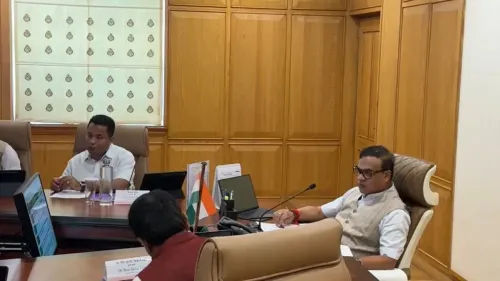
CM Himanta Invokes Maa Kamakhya Over Assam Relief Work
Synopsis
Assam Chief Minister Himanta Biswa Sarma invoked Maa Kamakhya's blessings for the state's relief and rehabilitation efforts on July 28, 2026, signalling active disaster response and reflecting Assam's recurring vulnerability to monsoon flooding.
Key Takeaways
Himanta Biswa Sarma posted on July 28, 2026 seeking Maa Kamakhya's blessings for Assam's relief and rehabilitation efforts.
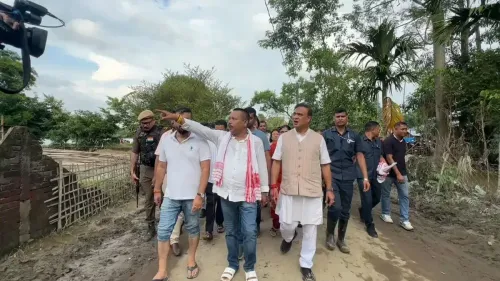
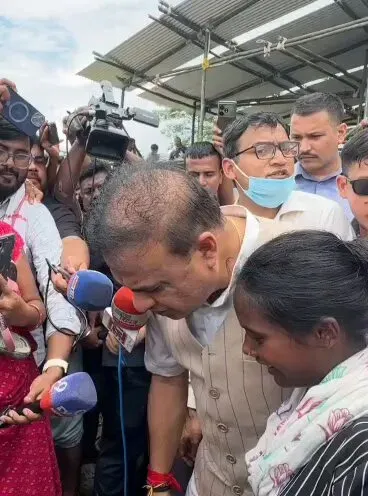
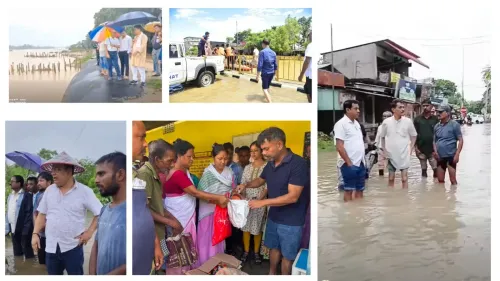
The post was accompanied by two images , suggesting ground-level documentation of ongoing relief work.
The Kamakhya Temple in Guwahati is Assam's most prominent Shakti shrine and a cultural touchstone for the state's leaders in moments of crisis.
Assam faces near-annual flooding from the Brahmaputra river system, making disaster relief a recurring governance priority.
The Chief Minister's framing — 'our relief and rehabilitation efforts' — indicates the state is in active, not preparatory, disaster-response mode.
As Assam battles what its government describes as ongoing relief and rehabilitation efforts, Chief Minister Himanta Biswa Sarma turned to the state's most revered deity — seeking the blessings of Maa Kamakhya for those working to restore lives on the ground.
Posting on Tuesday, July 28, 2026, Sarma wrote: 'May Maa Kamakhya bless our relief and rehabilitation efforts' — a brief but pointed invocation that signals the state is in active disaster-response mode. Two images accompanied the post, suggesting ground-level documentation of the work underway.
Kamakhya's Place in Assam's Public Life
The Kamakhya Temple, perched atop the Nilachal Hill in Guwahati, is one of the most powerful Shakti shrines in the country. For generations, Assamese leaders and communities have looked to the goddess as a source of protection and renewal — particularly in moments of crisis. Sarma's invocation is consistent with a long tradition in the region where public welfare statements and religious sentiment are woven together naturally, especially when the state is managing large-scale hardship.Assam's Recurring Battle With Disaster
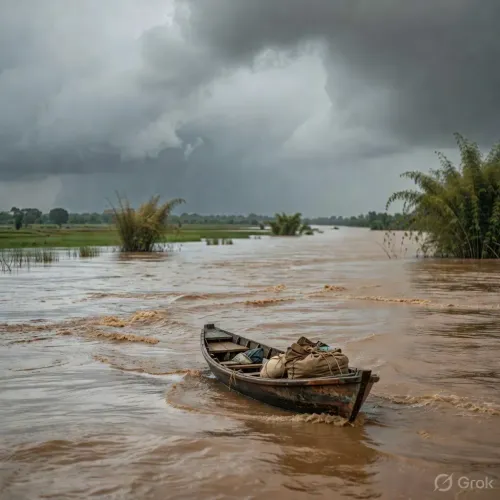
Assam's geography makes it one of India's most disaster-prone states. The Brahmaputra and its tributaries flood with near-clockwork regularity every monsoon season, displacing hundreds of thousands of residents and straining state relief machinery year after year. The Sarma government has repeatedly overseen large-scale relief and rehabilitation drives — coordinating aid distribution, damage assessments, and, where needed, appeals for central government assistance. While the specific triggering event behind this post has not been officially detailed, the Chief Minister's framing — 'our relief and rehabilitation efforts' — points to active, ongoing state intervention rather than a routine welfare announcement. For the disaster-affected residents at the centre of these efforts, the invocation carries weight beyond the political: it is a public acknowledgment from the state's highest office that the work of recovery is not yet done — and that it is being watched at the top.Point of View
This post reinforces his positioning as both a governing executive and a custodian of Assamese religious sentiment. It also fits a broader BJP pattern of anchoring welfare governance in local faith traditions, particularly in the Northeast where identity politics and disaster management intersect sharply. The post's brevity, paired with images, suggests the government is letting visuals carry the operational detail while the prayer frames the moral urgency.
NationPress
27 Oct 2026
Frequently Asked Questions
What did Assam CM Himanta Biswa Sarma post about relief efforts?
On July 28, 2026, Sarma posted seeking Maa Kamakhya's blessings for Assam's ongoing relief and rehabilitation efforts, accompanied by two images of what appeared to be ground-level relief work.
Why does Assam face frequent relief and rehabilitation drives?
Assam is highly flood-prone due to the Brahmaputra river and its tributaries, which overflow nearly every monsoon season, displacing large numbers of residents and triggering large-scale state relief operations.
What is the Kamakhya Temple and why is it significant in Assam?
The Kamakhya Temple is one of India's most important Shakti pilgrimage sites, located on Nilachal Hill in Guwahati, Assam. It is dedicated to the goddess Maa Kamakhya and holds deep religious and cultural significance for the people of Assam and the broader Northeast.
Is Himanta Biswa Sarma involved in disaster management in Assam?
Yes, as Chief Minister, Sarma directly oversees the state's disaster response machinery, including relief distribution, damage assessments, and coordination with the central government during flood and other natural disaster events.
What relief efforts is the Assam government currently running?
While the specific triggering event has not been officially detailed in this post, the Chief Minister's language indicates active relief and rehabilitation operations are underway in the state as of late July 2026.