CM Himanta Launches Post-Flood Disinfection Drive in Assam
Synopsis
Assam Chief Minister Himanta Biswa Sarma has launched disinfection and fogging drives across flood-hit villages as waters recede, targeting disease prevention in one of India's most flood-prone states during the 2026 monsoon season.
Key Takeaways
CM Himanta Biswa Sarma announced on July 28, 2026 that disinfection and fogging drives have begun across flood-affected villages in Assam .
The drives aim to prevent outbreaks of waterborne and vector-borne diseases as floodwaters recede.
Assam faces annual monsoon flooding from the Brahmaputra river and its tributaries, making post-flood disease prevention a recurring public health priority.
Post-flood disinfection operations are mandated under India's national disaster management guidelines for flood-prone regions.
Primary beneficiaries are flood-affected rural villagers; frontline executors include ASHA workers and district health officials.
Disease surveillance bulletins from state health authorities are expected in the coming weeks to track any outbreak trends.
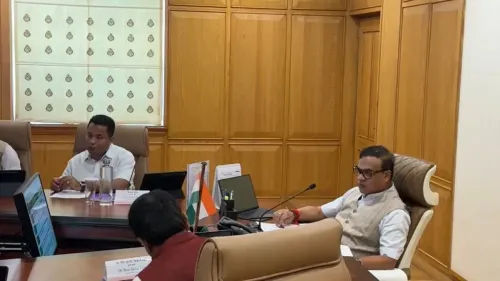
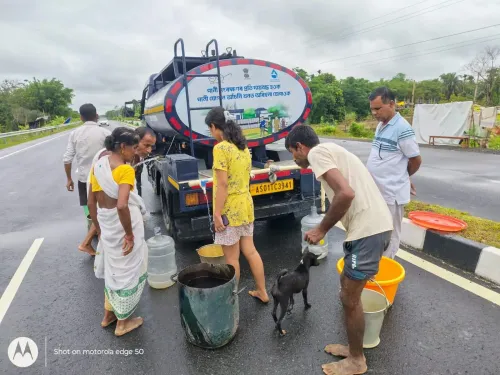
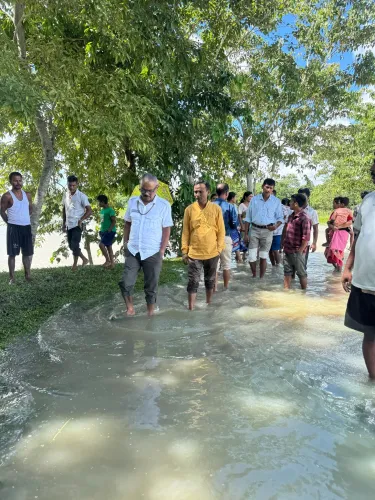
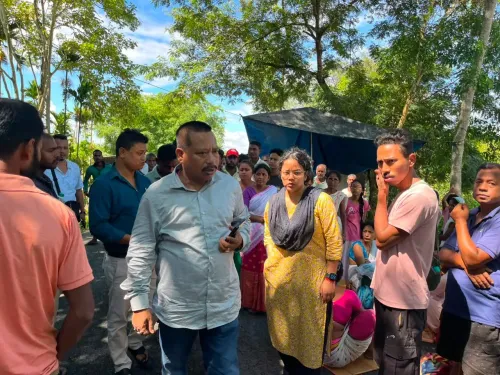
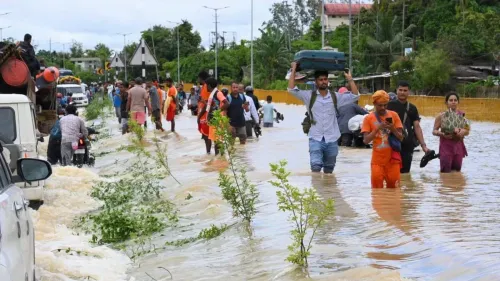
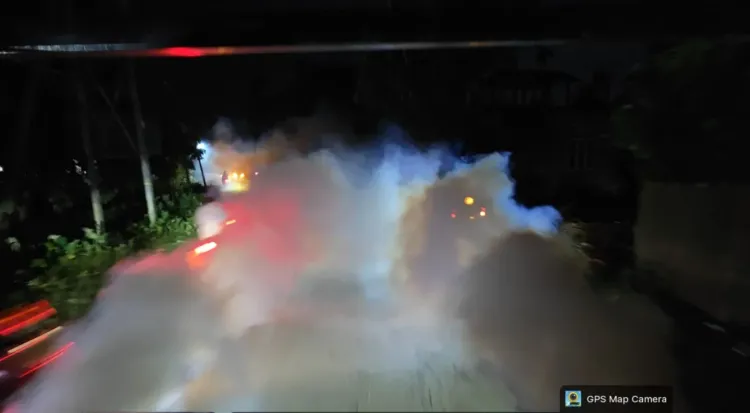
Assam Chief Minister Himanta Biswa Sarma announced on Tuesday, July 28, 2026, that the state government has launched disinfection and fogging drives across flood-affected villages as waters begin to recede, aiming to prevent the outbreak of waterborne and vector-borne diseases.
Context
Posting on X, CM Sarma stated: 'As flood waters recede across affected areas, we have swiftly started disinfectation and fogging drives across villages to prevent outbreak of any diseases.' The announcement signals the transition from emergency flood relief to the critical post-flood public health phase, a period historically associated with heightened disease risk in Assam.
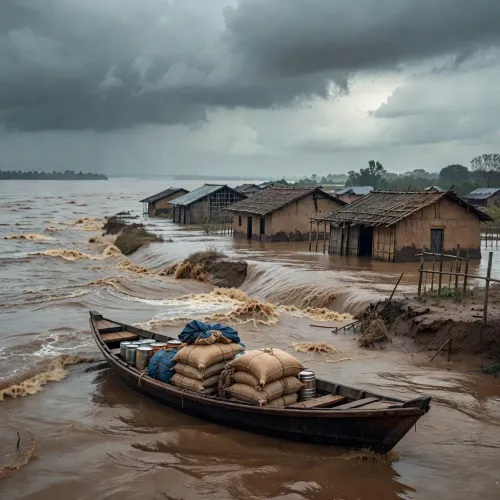
Assam is among India's most flood-prone states, with the Brahmaputra and its tributaries inundating large swathes of the state every monsoon season. Once floodwaters recede, stagnant pools and contaminated water sources create conditions conducive to outbreaks of diseases such as cholera, typhoid, malaria, and dengue.
Policy Backdrop
Post-flood disinfection and vector-control operations have been standard protocol in Assam's disaster management framework for decades. These measures — including chlorination of water sources, fogging against mosquitoes, and deployment of mobile medical teams — are also mandated under India's national disaster management guidelines for flood-prone regions.
Successive state administrations have conducted similar drives following annual monsoon flooding. The current government's emphasis on speed — framed as a 'swift' response — reflects an effort to compress the window between flood recession and disease prevention, a period that health administrators consider the most vulnerable for affected communities.
Stakeholders and Impact
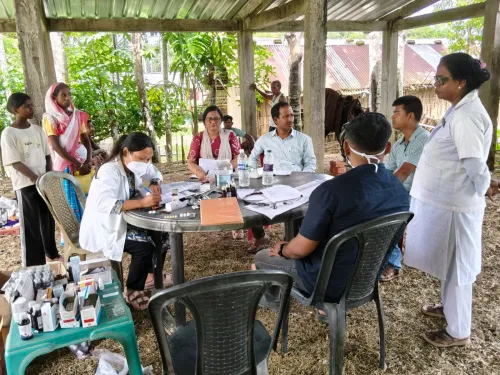
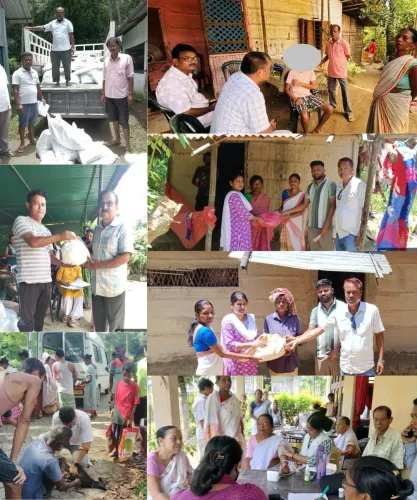
Flood-affected villagers across rural Assam stand as the primary beneficiaries of the drives. Rural health workers, including ASHA workers and district health officials, are typically at the frontline of executing such campaigns, conducting door-to-door outreach alongside fogging and sanitation operations.
Disease outbreaks following floods can place severe strain on already stretched rural health infrastructure. Timely disinfection and vector-control measures are widely regarded by public health experts as cost-effective interventions that can significantly reduce morbidity in the weeks following a flood event.
What's Next
Health authorities in Assam are expected to release disease surveillance bulletins tracking any uptick in waterborne or vector-borne illness across affected districts in the coming weeks. The state government may also announce additional relief packages or medical camp deployments depending on the scale of the affected population.
The effectiveness of the current disinfection and fogging drives will likely be assessed through district-level health data in the weeks ahead, with any disease clusters prompting intensified central and state coordination under India's disaster health response framework.
Point of View
Demonstrating administrative readiness in a state where annual flood mismanagement has long been a point of electoral criticism. Situated within India's broader disaster management framework, the drive also reflects growing institutional recognition that post-flood morbidity, not just displacement, is a key metric of flood response quality. How effectively the drives are executed at the village level — beyond the announcement — will determine their public health value.
NationPress
26 Oct 2026
Frequently Asked Questions
Why are fogging drives conducted after floods in Assam?
Fogging drives are conducted after floods to kill mosquitoes and other vectors that breed in stagnant water left behind by receding floodwaters, reducing the risk of diseases like malaria and dengue.
What diseases are common after floods in Assam?
Waterborne diseases such as cholera and typhoid, as well as vector-borne diseases like malaria and dengue, are commonly reported in flood-affected areas of Assam once waters recede and stagnant pools form.
What did CM Himanta Biswa Sarma announce regarding Assam floods?
CM Himanta Biswa Sarma announced on July 28, 2026, that the Assam government has swiftly launched disinfection and fogging drives across flood-affected villages to prevent disease outbreaks as floodwaters recede.
How does Assam government respond to post-flood health risks?
The Assam government deploys disinfection teams, fogging operations, chlorination of water sources, and mobile medical camps as part of standard post-flood disaster management protocol aligned with national guidelines.
What is the role of ASHA workers in Assam flood relief?
ASHA workers serve as frontline health workers during post-flood operations in Assam, conducting door-to-door outreach, health monitoring, and supporting sanitation and disease-prevention campaigns in affected villages.