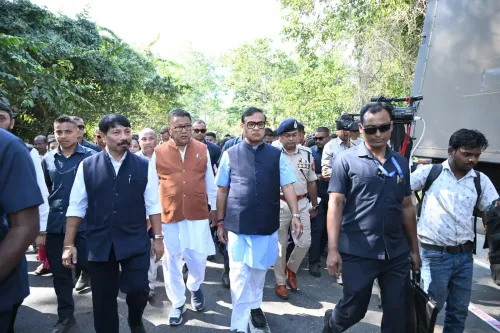
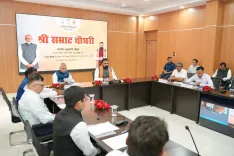
CM Himanta visits Kaziranga accident site, addresses media
Synopsis
Assam CM Dr. Himanta Biswa Sarma personally visited the Rangajan accident site near Kaziranga on 14 November 2026, a day after a tragic incident, and briefed the media — signalling direct state-level accountability for the disaster.
Key Takeaways
Himanta Biswa Sarma visited the accident site at Rangajan, Kaziranga on 14 November 2026 .
The accident occurred on 13 November 2026 ; the Chief Minister's Office described it as 'tragic'.
Sarma addressed the media directly at the site following his visit.
Kaziranga is a UNESCO World Heritage Site located along National Highway 715 in Golaghat and Nagaon districts , an area with a documented history of vehicular incidents.
Compensation, an administrative inquiry, and highway safety measures are the expected next steps under standard Assam government protocol.
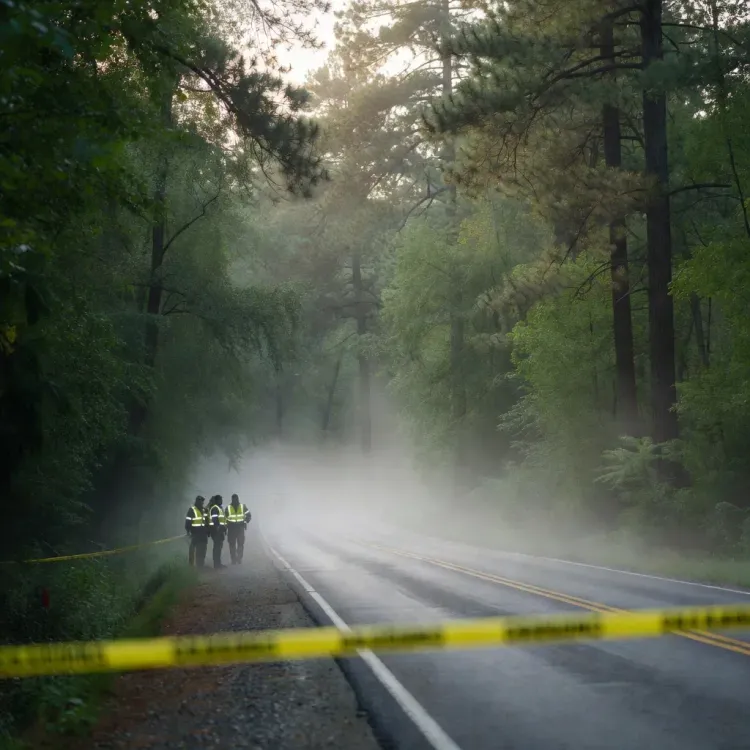
A tragedy on the fringes of one of India's most iconic wildlife sanctuaries drew Assam Chief Minister Dr. Himanta Biswa Sarma to Rangajan, Kaziranga on Saturday, 14 November 2026 — a day after a serious accident shook the area, prompting him to personally survey the site and brief reporters on the ground.
CM Himanta at the scene: what the visit signals
The Chief Minister's Office of Assam confirmed that Dr. Sarma visited the accident site at Rangajan in the Kaziranga belt and subsequently addressed the media, a step that underscores the seriousness with which the state government is treating the incident. Such direct visits by a sitting chief minister are a well-established signal in Indian governance: they convey administrative accountability, trigger faster on-ground relief mechanisms, and put state machinery on notice.
Kaziranga, a UNESCO World Heritage Site and home to the world's largest population of the one-horned rhinoceros, sits astride National Highway 715 in the Golaghat and Nagaon districts of Assam. The highway corridor — threading through dense forest and human settlements — has historically been a flashpoint for vehicular accidents, wildlife crossings, and infrastructure incidents, making safety a recurring concern for both local communities and the millions of tourists who visit annually.
Rangajan's geography and the highway hazard
The Rangajan locality sits within the broader Kaziranga ecosystem, an area where the boundary between human activity and wildlife habitat blurs sharply. Trucks, buses, and private vehicles share the highway with elephant herds and rhinos that cross freely, especially at night and during the monsoon months. Periodic accidents — involving both human fatalities and wildlife casualties — have prompted repeated demands from conservationists and residents alike for stronger safety infrastructure along this stretch.
Indian chief ministers routinely make on-site appearances after road or infrastructure tragedies to announce compensation packages and order administrative inquiries. Dr. Sarma's media address at Rangajan follows that pattern, though the specific details of the 13 November accident — its cause, casualty figures, and the vehicles involved — are yet to be officially detailed in public records.
What comes next: relief, inquiry, and safety review
The immediate priority following such a visit is typically a compensation announcement for victims' families and a directive to district administration to file an inquiry report. Longer-term, incidents on the Kaziranga highway corridor frequently reignite demands for speed-calming measures, better lighting, and wildlife underpasses — infrastructure investments that have been debated but unevenly implemented along NH-715.
Whether Saturday's site visit translates into concrete policy action — a formal probe, a compensation package, or a renewed push on highway safety — will be the real test of governmental intent in the days ahead.
Kaziranga's roads have claimed lives before; the question now is whether this tragedy finally forces the safety overhaul the region has long been waiting for.
Point of View
Accelerates bureaucratic response, and anchors the news cycle around government action rather than government failure. For Dr. Himanta Biswa Sarma, who has built his image on a hands-on administrative style, the Kaziranga visit fits a consistent pattern. The harder test is whether the visit generates durable change: NH-715 through Kaziranga has been flagged for safety improvements for years, and each fresh tragedy renews the question of why structural fixes have lagged behind political visits.
NationPress
14 Nov 2026
Frequently Asked Questions
What happened at Rangajan, Kaziranga on 13 November 2026?
A tragic accident occurred at Rangajan in the Kaziranga area of Assam on 13 November 2026 . Specific details on the cause and casualties are yet to be officially confirmed in public records.
Why did CM Himanta Biswa Sarma visit Kaziranga on 14 November 2026?
CM Dr. Himanta Biswa Sarma visited the site of the accident at Rangajan, Kaziranga to personally assess the situation and address the media, following a standard protocol for chief ministerial responses to major accidents in Assam.
Where exactly is Rangajan in Kaziranga?
Rangajan is a locality within the broader Kaziranga ecosystem in Assam, situated along or near National Highway 715 that runs through the Golaghat and Nagaon districts.
What safety concerns exist on the Kaziranga highway?
National Highway 715 through Kaziranga is known for vehicular accidents due to wildlife crossings, heavy traffic, limited lighting, and the proximity of dense forest to human settlements, leading to longstanding demands for speed-calming measures and wildlife underpasses.
What action is expected after CM Himanta's visit to the accident site?
Following such visits, Assam's state government typically announces compensation for victims' families, orders a district-level inquiry, and may issue directives for safety reviews along the highway corridor near Kaziranga .