Bihar CM on Chhath: Sun God is eternal source of energy
Synopsis
Bihar CM Nitish Kumar declared Lord Sun the eternal source of energy and called Chhath Mahaparv the embodiment of Bihar's folk faith, cultural heritage, and deep respect for nature, as the state prepares for the festival.
Key Takeaways
Chief Minister Nitish Kumar described Lord Sun as the 'eternal source of energy' in an official statement on 14 November 2026 .
Chhath Mahaparv was characterised as the symbol of Bihar's folk faith, cultural heritage, and respect for nature.
Bihar has maintained a tradition of solar worship for centuries, integral to the state's cultural identity.
Chhath Puja is a four-day festival involving riverbank rituals, strict fasting, and direct solar offerings — with no priestly intermediary.
The official framing connects ancient devotion with ecological consciousness, echoing the festival's emphasis on clean rivers and natural offerings.
Ahead of one of Bihar's most sacred observances, Chief Minister Nitish Kumar invoked the timeless bond between the state's people and the sun — framing Chhath Mahaparv not merely as a religious festival but as a living testament to folk faith, cultural heritage, and humanity's reverence for nature.
The Chief Minister's Office of Bihar posted on Saturday, 14 November 2026, quoting the Chief Minister: 'Bhagwan Surya urja ke shashwat srot hain' ('Lord Sun is the eternal source of energy'). The statement went on to note that Bihar has carried a rich tradition of solar worship for centuries, and that Chhath Mahaparv is the symbol of the state's folk faith, cultural legacy, and respect for nature.
Chhath: Bihar's most distinctive folk festival
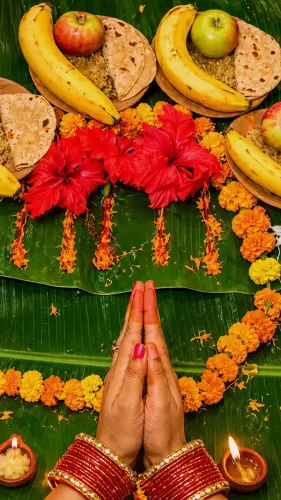
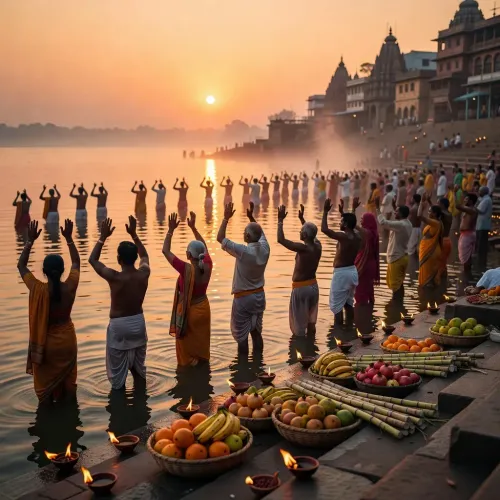
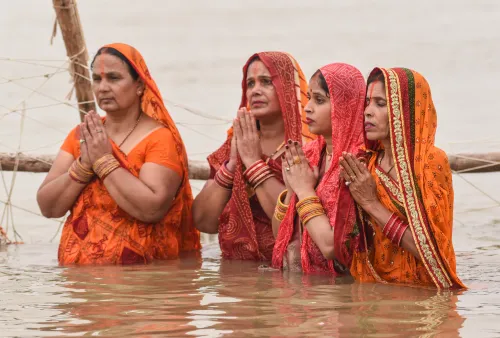
Chhath Puja is a four-day festival dedicated to the Sun God and his consort Usha, observed with strict fasting, riverbank rituals, and offerings of seasonal fruit and sugarcane — conspicuously free of elaborate idol-worship or material excess. Devotees, overwhelmingly women, stand waist-deep in rivers at dawn and dusk to offer arghya (water oblation) directly to the rising and setting sun. It is among the few major Hindu festivals with no priestly intermediary at its core.
The festival is practiced most intensely across Bihar and eastern Uttar Pradesh, and its diaspora has carried it to cities and countries far beyond the Gangetic plain — making it a marker of Bihari identity wherever the community settles.
Official messaging rooted in ecology and continuity
Bihar's government has long used Chhath statements to stitch together threads of local pride, ecological consciousness, and cultural continuity. By describing the Sun as an 'eternal source of energy,' the Chief Minister's framing neatly bridges ancient devotion and a modern environmental sensibility — the festival's insistence on clean riverbanks and unpolluted water has in recent years drawn attention as an organic model of community-led environmental stewardship.
This messaging also carries a quiet political weight: in a state where Chhath transcends caste and community lines, affirming it in official voice reinforces the administration's claim to custodianship of Bihar's folk soul.
Point of View
The Bihar government is doing more than issuing a seasonal greeting — it is staking an administrative claim to the festival's moral authority. For Nitish Kumar, who has governed Bihar through multiple cycles since 2005, such statements reinforce a consistent identity politics of cultural continuity, positioning the state as the guardian of a living, eco-sensitive tradition. The framing also signals readiness to mobilise the festival's mass resonance — Chhath crosses caste and class lines more than almost any other Bihar festival — ahead of any upcoming political or electoral moment.
NationPress
14 Nov 2026
Frequently Asked Questions
What is Chhath Mahaparv and why is it important in Bihar?
Chhath Mahaparv is a four-day Hindu festival dedicated to the Sun God, observed primarily in Bihar and eastern Uttar Pradesh. It involves riverbank rituals, strict fasting, and direct water offerings to the sun at dawn and dusk — making it a defining marker of Bihari cultural identity.
What did Bihar CM Nitish Kumar say about Chhath Puja in November 2026?
Chief Minister Nitish Kumar described Lord Sun as the 'eternal source of energy' and called Chhath Mahaparv the symbol of Bihar's folk faith, cultural heritage, and respect for nature, in a statement posted by the Chief Minister's Office on 14 November 2026.
Why is Chhath Puja considered eco-friendly?
Chhath Puja is conducted without elaborate idol worship or synthetic materials. Devotees offer seasonal fruits, sugarcane, and water directly to the sun, and the festival's riverbank rituals naturally emphasise the need for clean, unpolluted water bodies.
How long has Bihar had a tradition of solar worship?
According to official statements from the Bihar government, solar worship has been a part of Bihar's cultural and folk tradition for centuries, with Chhath Puja being its most prominent and widely observed expression.
Who celebrates Chhath Puja beyond Bihar?
While Chhath originated in Bihar and eastern Uttar Pradesh, the Bihari diaspora has carried the festival to major Indian cities and countries across the world, making it a global symbol of Bihari cultural identity.