CM Himanta Wades Through Floodwaters to Meet Affected Families
Synopsis
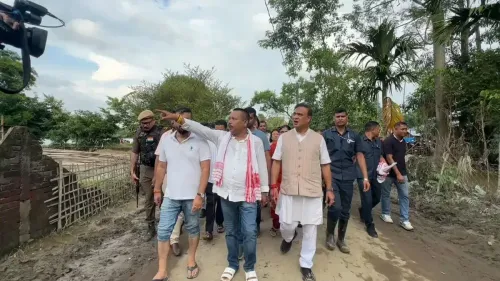
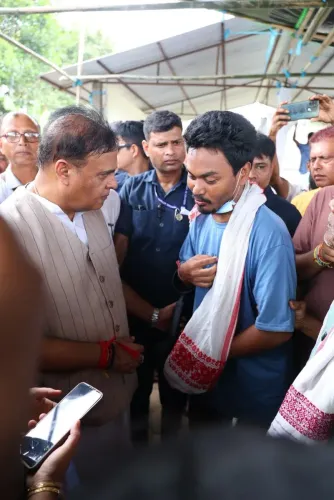
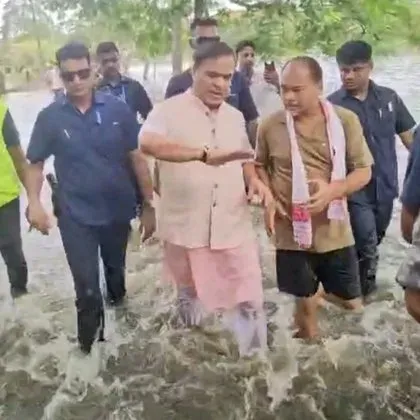
Assam Chief Minister Himanta Biswa Sarma waded through knee-deep floodwaters on August 5, 2026, to personally assess monsoon flood damage and meet affected families, with the Chief Minister's Office sharing the account on X as part of the state's annual disaster governance response.
Key Takeaways
CM Himanta Biswa Sarma walked through knee-deep floodwaters on August 5, 2026 to meet flood-affected families directly.
The Chief Minister's Office of Assam shared the image and account on X, framing it as a firsthand assessment visit.
Assam faces recurring monsoon flooding from the Brahmaputra River and its tributaries every year, causing displacement and crop damage.
On-ground CM visits are standard practice in Assam's flood governance cycle, used to coordinate relief and assess embankment failures.
Follow-up announcements on relief distribution and embankment repair in affected districts will indicate the visit's policy impact.
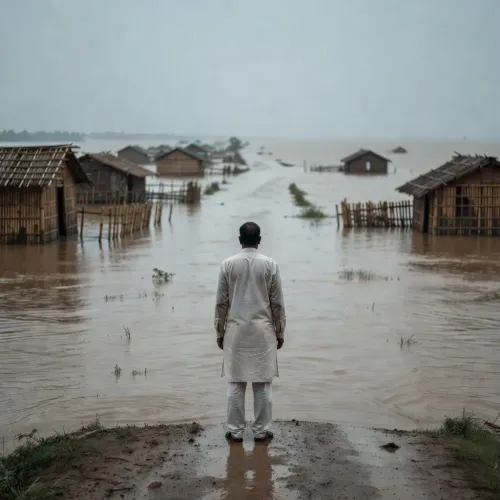
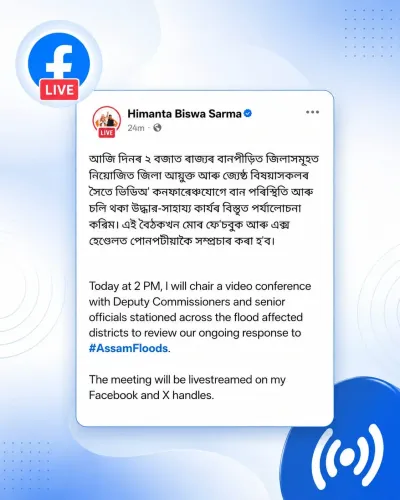
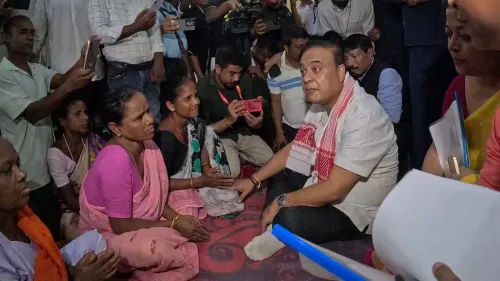
Knee-deep in floodwaters, Assam Chief Minister Himanta Biswa Sarma walked on foot through inundated areas on Wednesday, August 5, 2026, to meet families hit by the monsoon floods and assess the damage firsthand. The Chief Minister's Office of Assam shared the image and account on X, underscoring the administration's on-ground approach to the state's annual flood crisis.
Into the water, not behind a desk
The post from the Chief Minister's Office of Assam was unambiguous: CM Sarma did not send officials ahead or observe from a distance. He walked in. Water rose to his knees. He still moved forward. For the families who watch the Brahmaputra and its tributaries swallow their fields and homes every monsoon season, that image carries a specific weight — a leader arriving at the damage, not at a press conference about it.
Assam's flood cycle and what a CM visit means
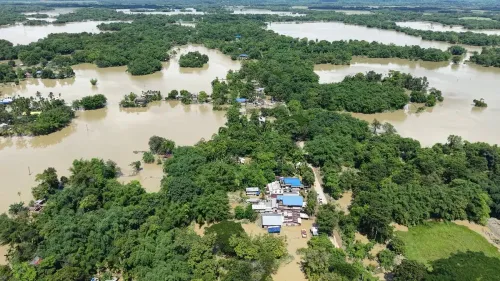
Assam is one of India's most flood-vulnerable states. The Brahmaputra River and its network of tributaries breach banks with near-clockwork regularity each monsoon, displacing communities, destroying standing crops, and straining district administration. Successive state governments have treated Chief Minister visits to affected zones as standard practice — part damage assessment, part coordination signal to district collectors and relief machinery, part public reassurance.
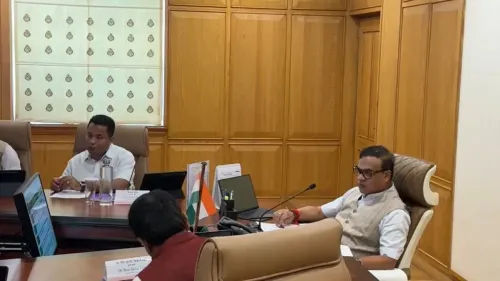
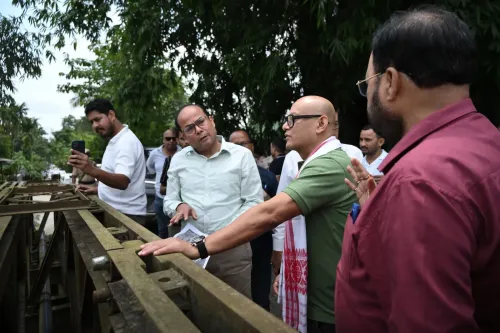
For CM Sarma, who has led the state's disaster response since taking office in May 2021, these ground visits have become a visible governance signature. The practical purpose is real: a firsthand walkthrough lets the Chief Minister directly interrogate relief gaps, embankment failures, and evacuation bottlenecks that filtered reports can obscure.
What follows the walkthrough
The immediate question after any such visit is what it triggers. In Assam's flood governance cycle, a Chief Minister's ground assessment typically precedes announcements on relief distribution to affected households, emergency repairs to breached embankments, and — in more severe seasons — formal requests to the Centre for disaster relief funds. Whether this August 2026 visit produces specific policy follow-through on drainage and embankment projects in the affected districts will be the measure of its consequence beyond the image.
Flood-affected families in Assam have heard promises tied to monsoon visits before. The walkthrough is the beginning of accountability — not the end of it.
Point of View
The optics of a leader physically present at the disaster site carry real electoral currency — but they also set an accountability benchmark: the visit creates a public record against which relief delivery will be measured. The broader pattern across India's flood-prone northeastern states is that on-ground visits by elected leaders have become almost obligatory, raising the question of whether they translate into structural fixes — better embankments, improved drainage — or remain a recurring ritual. For Sarma, who has staked part of his governance identity on decisive disaster response, the walk into the water is a statement; what comes after it is the verdict.
NationPress
5 Aug 2026
Frequently Asked Questions
Why did Assam CM Himanta Biswa Sarma walk through floodwaters?
CM Himanta Biswa Sarma walked through knee-deep floodwaters on August 5, 2026, to personally meet flood-affected families and assess the ground situation firsthand, as part of Assam's standard disaster governance response during the monsoon season.
Which river causes flooding in Assam every year?
The Brahmaputra River and its network of tributaries are the primary cause of Assam's recurring annual monsoon floods, which displace communities and damage crops across the northeastern state.
What does Assam CM do during flood visits?
During flood visits, the Assam Chief Minister conducts firsthand damage assessments, coordinates with district administration on relief distribution, identifies embankment and drainage failures, and signals urgency to the state's disaster relief machinery.
When did CM Himanta visit flood-affected areas in 2026?
CM Himanta Biswa Sarma visited flood-affected areas on Wednesday, August 5, 2026, wading through inundated zones to meet affected families, as shared by the Chief Minister's Office of Assam on X.
What relief measures follow a Chief Minister's flood assessment in Assam?
Following a Chief Minister's ground assessment, Assam typically announces relief distribution to affected households, emergency embankment repairs, and in severe cases, formal requests to the Central government for disaster relief funds.