CM Pema Khandu Pushes NE Universities to Lead Research
Synopsis
Arunachal Pradesh CM Pema Khandu hosted the first Vice-Chancellors' Roundtable of the Northeast in Pasighat on August 10, 2026, urging the region's universities to pivot from degree-giving to problem-solving, with focus on AI, indigenous knowledge, biodiversity, and border-area development.
Key Takeaways
The first-ever Vice-Chancellors' Roundtable of the Northeast was held in Pasighat, Arunachal Pradesh on August 10, 2026 .
CM Pema Khandu called on Northeast universities to shift from 'degree-giving institutions to problem-solving institutions'.
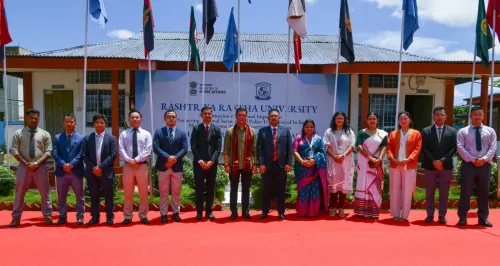
The roundtable was attended by Vice-Chancellors, academicians, the Association of Indian Universities , and Rashtriya Raksha University .
Priority research themes identified include AI and innovation, indigenous knowledge, entrepreneurship, biodiversity, and border-area development .
The initiative aligns with the National Education Policy 2020 's push for multidisciplinary, research-led higher education.
The Northeast's unique geographic and ecological position was framed as a research asset, not a disadvantage.
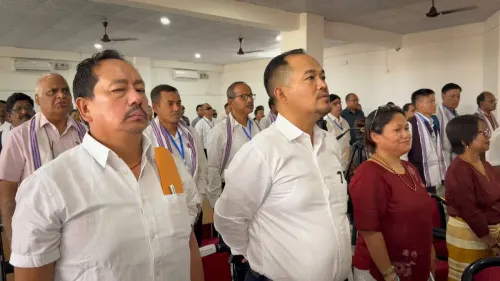
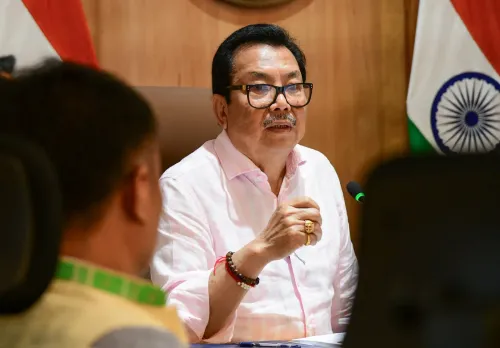
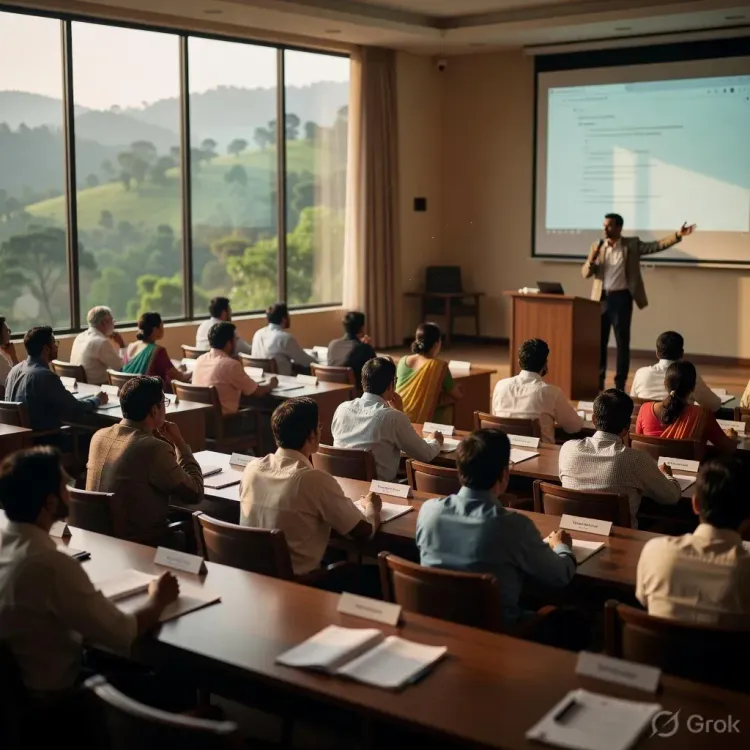
A region long seen as peripheral to India's academic map is being asked to rewrite its own story. Arunachal Pradesh Chief Minister Pema Khandu on Monday, August 10, 2026, convened the first-ever Vice-Chancellors' Roundtable of the Northeast in Pasighat, calling on the region's universities to stop consuming knowledge and start creating it.
Speaking at the gathering — attended by Vice-Chancellors, academicians, policy experts, representatives of the Association of Indian Universities, and Rashtriya Raksha University (RakshaUni) — Khandu framed the Northeast's most pressing challenges not as burdens but as research mandates. 'Our unique challenges can become opportunities for research and solutions,' he said, citing AI and innovation, indigenous knowledge, entrepreneurship, biodiversity, and border-area development as priority themes.
From Degree Mills to Problem-Solving Institutions
The sharpest line of the roundtable was also its clearest directive: universities in the Northeast must evolve from degree-giving institutions to problem-solving institutions. It is a distinction that cuts to the heart of a long-running critique of higher education across the region — campuses that produce graduates without producing solutions to the very conditions those graduates live in. This framing maps directly onto the National Education Policy 2020, which called for multidisciplinary research and innovation-led approaches across Indian higher education. The Northeast roundtable is, in effect, a regional operationalisation of that national mandate — with a sharper local edge.Pasighat as the Starting Point for a Bigger Shift
The choice of Pasighat, a town in East Siang district of Arunachal Pradesh, as the venue is itself a signal. It is not Itanagar, the state capital. Hosting a national-level academic convening here places the spotlight on a town that sits close to the Arunachal-Assam border and embodies precisely the kind of border-area geography Khandu wants universities to study and serve. The presence of Rashtriya Raksha University — an institution with a mandate spanning defence, security, and border-area studies — alongside the Association of Indian Universities, the national apex body for universities, signals that this roundtable was designed to bridge local academic capacity with national institutional frameworks.Indigenous Knowledge and Biodiversity as Research Frontiers
Perhaps the most distinctive element of Khandu's vision is the explicit elevation of indigenous knowledge systems and biodiversity as legitimate research frontiers. The Northeast is one of the world's recognised biodiversity hotspots, home to ecosystems, languages, and traditional knowledge systems that remain academically underexplored. Positioning these as assets — rather than footnotes — in a university research agenda is a meaningful reorientation. Whether this roundtable translates into curriculum reform, funded research chairs, or collaborative projects between Northeast universities and national bodies will determine whether August 10, 2026 marks a genuine inflection point or a well-attended conversation. The region has heard ambitious visions before. This time, the Vice-Chancellors were in the room — and the ask was specific.Point of View
It subtly argues that the region's research agenda cannot be imported from Delhi or Bengaluru. The inclusion of Rashtriya Raksha University alongside the Association of Indian Universities also hints at a dual-track ambition: civilian academic reform paired with strategic relevance in a sensitive border geography. The real test will be whether institutional follow-through matches the rhetorical ambition.
NationPress
24 Sept 2026
Frequently Asked Questions
What is the Vice-Chancellors' Roundtable of the Northeast?
It is the first-ever convening of Vice-Chancellors and academicians from Northeast India, held in Pasighat on August 10, 2026, organised to discuss how regional universities can shift toward research and problem-solving.
Why was the roundtable held in Pasighat?
Pasighat is a town in East Siang district of Arunachal Pradesh. Its location near the border area makes it symbolically and thematically relevant to the roundtable's focus on border-area development and regional challenges.
What did CM Pema Khandu say at the roundtable?
Khandu called on Northeast universities to move from being 'degree-giving institutions to problem-solving institutions' and said the region's unique challenges in AI, indigenous knowledge, biodiversity, and border areas should become research opportunities.
What is Rashtriya Raksha University and why was it at the roundtable?
Rashtriya Raksha University (RakshaUni) is a national university focused on defence, security, and border-area studies. Its participation aligned with the roundtable's theme of border-area development as a research frontier.
How does this roundtable connect to the National Education Policy 2020?
NEP 2020 called for Indian higher education institutions to adopt multidisciplinary, innovation-led approaches. The Northeast roundtable is a regional effort to operationalise that national mandate with locally relevant research priorities.