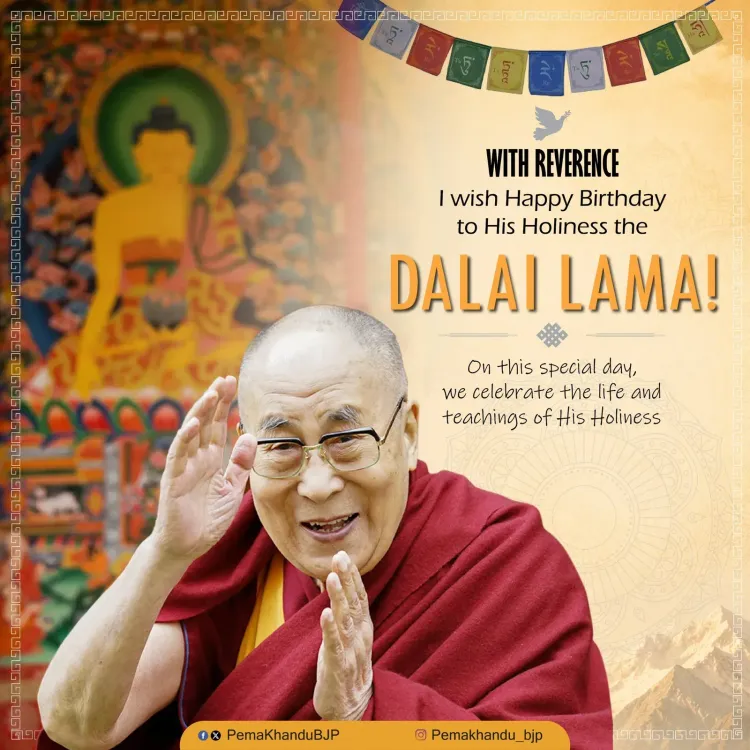
CM Pema Khandu Greets Dalai Lama on 91st Birthday
Synopsis
Arunachal Pradesh Chief Minister Pema Khandu on July 6, 2026, offered birthday prayers for the 14th Dalai Lama's 91st birthday, calling him the 'living embodiment of Chenrezig' — a tribute that reflects deep Buddhist ties in the border state and India's calibrated stance on the Tibet question.
Key Takeaways
CM Pema Khandu publicly greeted His Holiness the 14th Dalai Lama on his 91st birthday on July 6, 2026 .
Khandu described the Dalai Lama as 'the living embodiment of Chenrezig' and prayed for his long and healthy life.
The 14th Dalai Lama has lived in exile in India since 1959 and was awarded the Nobel Peace Prize in 1989 .
Arunachal Pradesh is home to Tawang Monastery , a major Tibetan Buddhist centre with historic links to the Dalai Lama lineage.
Such greetings from Indian state leaders routinely attract diplomatic attention from Beijing , which opposes official Indian engagement with the Dalai Lama.
India's official policy permits the Dalai Lama's religious activities while maintaining that Tibet is part of China .
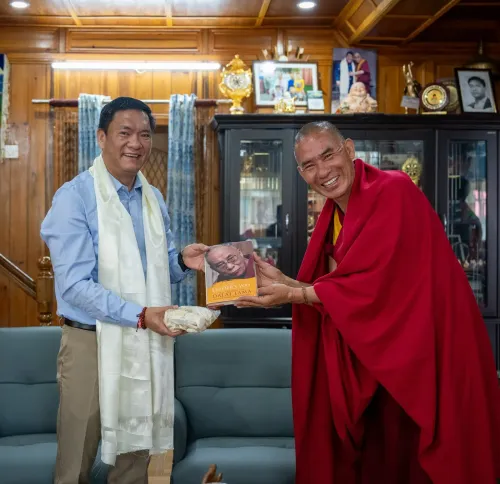
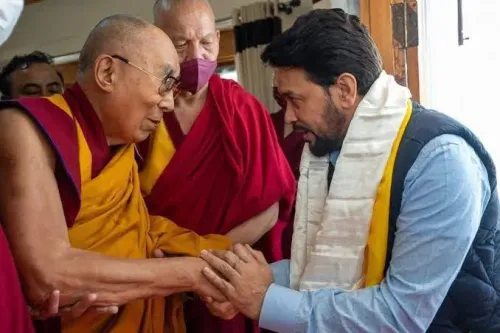
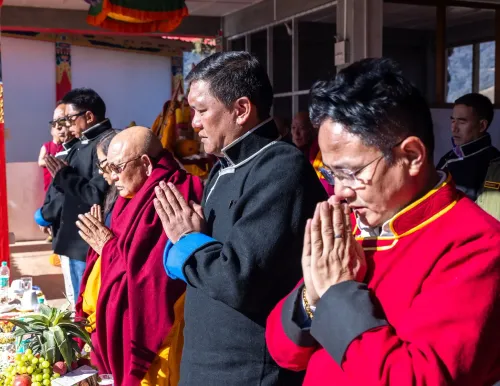
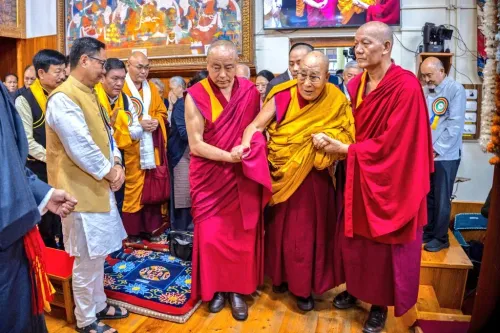
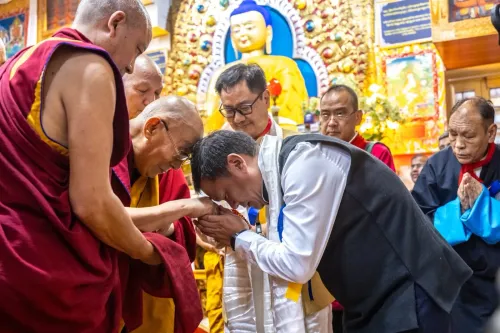
Arunachal Pradesh Chief Minister Pema Khandu on Monday, July 6, 2026, extended heartfelt birthday greetings to His Holiness the 14th Dalai Lama on the occasion of the Tibetan spiritual leader's 91st birthday, describing him as 'the living embodiment of Chenrezig' and a 'beacon of compassion, wisdom, and peace for all humanity.'
Context
Pema Khandu, who represents a state with a substantial Tibetan Buddhist population, wrote on X that he joins 'millions of devotees and well-wishers across the world' in offering prayers for the Dalai Lama's long, healthy, and stable life. He further prayed that the spiritual leader's 'enlightened teachings and compassionate guidance flourish for countless years, bringing peace, harmony, and the light of Dharma to all sentient beings.'
The 14th Dalai Lama, born in July 1935, has lived in exile in India since 1959, following the Lhasa uprising that year. He was awarded the Nobel Peace Prize in 1989 for his non-violent advocacy for Tibetan autonomy and his promotion of universal compassion.
Policy Backdrop
India has hosted the Dalai Lama since his arrival in 1959, permitting his religious activities while officially maintaining that Tibet is part of China. Successive governments in New Delhi have calibrated their approach carefully — extending humanitarian hospitality while stopping short of overt political endorsement — to manage the sensitivities of the India-China relationship.
Leaders from Himalayan states, particularly those with significant Buddhist constituencies, periodically issue such greetings, reflecting deep local religious sentiment. Arunachal Pradesh is home to the historic Tawang Monastery, a major Gelugpa centre founded in 1680–81 and closely linked to the Dalai Lama lineage, located near the sensitive India-China border.
Stakeholders and Impact
The birthday message carries significance for Tibetan exile communities across India and for the Monpa and other Tibetan Buddhist communities of Arunachal Pradesh, for whom the Dalai Lama holds profound spiritual authority. CM Khandu's public tribute reinforces the state government's acknowledgment of this cultural and religious bond.
Beijing has historically lodged diplomatic protests against any Indian official engagement with the Dalai Lama, viewing such interactions as interference in what it considers an internal matter. Greetings of this nature from senior state leaders routinely draw renewed attention to that diplomatic tension.
What's Next
Observers will watch for any response from China's Ministry of Foreign Affairs and the posture of India's Ministry of External Affairs around events marking the Dalai Lama's birthday. Separately, the possibility of a future visit by the Dalai Lama to Arunachal Pradesh monasteries — including Tawang — remains a perennial point of diplomatic sensitivity between New Delhi and Beijing. CM Khandu's public and warmly worded tribute signals that state-level expressions of reverence for the spiritual leader are unlikely to diminish, even as the broader diplomatic equation continues to evolve.
Point of View
Whose constituency includes Tawang — a monastery town that Beijing also claims — the gesture carries both religious authenticity and political weight. It signals that grassroots reverence for the Dalai Lama in India's northeastern borderlands is a durable political reality that no diplomatic accommodation with China is likely to suppress. The tribute will be read in Beijing as another data point in an ongoing pattern of Indian state-level engagement that China consistently, if ineffectively, protests.
NationPress
5 Oct 2026
Frequently Asked Questions
Why did CM Pema Khandu greet the Dalai Lama on his birthday?
CM Pema Khandu greeted the Dalai Lama as a mark of personal reverence and in recognition of the deep Tibetan Buddhist heritage of Arunachal Pradesh, the state he governs.
How old is the 14th Dalai Lama in 2026?
The 14th Dalai Lama turned 91 in July 2026, having been born in July 1935 in Tibet.
Where does the Dalai Lama live and why?
The Dalai Lama has lived in exile in India since 1959, when he fled Tibet following the Lhasa uprising against Chinese rule.
Why does China object to Indian officials greeting the Dalai Lama?
China considers the Dalai Lama a separatist figure and views any official Indian engagement with him as interference in what Beijing regards as China's internal affairs regarding Tibet.
What is the connection between Arunachal Pradesh and the Dalai Lama?
Arunachal Pradesh is home to Tawang Monastery, a major Gelugpa Buddhist centre historically linked to the Dalai Lama lineage, and has a large Tibetan Buddhist population that holds the Dalai Lama in deep reverence.