CM Pema Khandu Offers Prayers in Memory of Ama Lezang
Synopsis
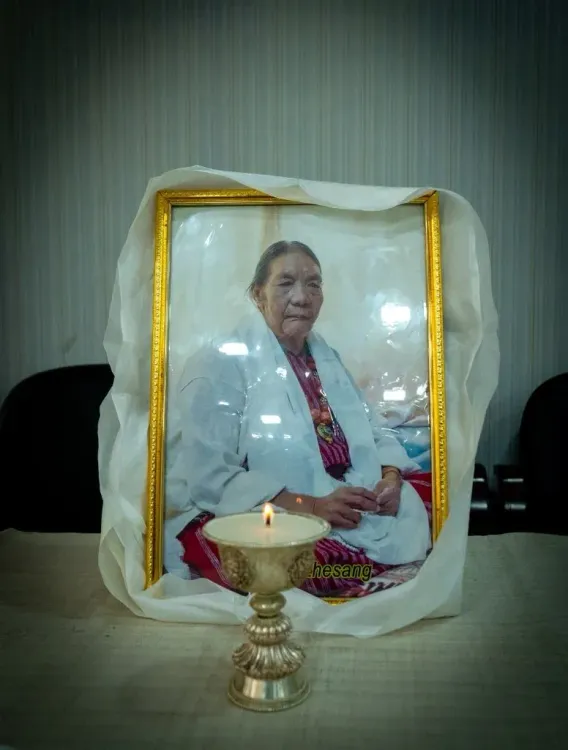
Arunachal Pradesh Chief Minister Pema Khandu on 26 June 2026 shared a Buddhist prayer tribute on X in loving memory of Ama Lezang, invoking the mantra Om Mani Padme Hum and wishing her a blessed rebirth and swift enlightenment.
Key Takeaways
Chief Minister Pema Khandu posted a prayer tribute on X on 26 June 2026 for a person referred to as Ama Lezang .
The post invoked the Tibetan Buddhist mantra Om Mani Padme Hum , associated with the bodhisattva of compassion, Avalokitesvara .
Khandu expressed hope that Ama Lezang would attain a 'precious rebirth' and 'swiftly attain enlightenment', reflecting Tibetan Buddhist beliefs about merit transference for the deceased.
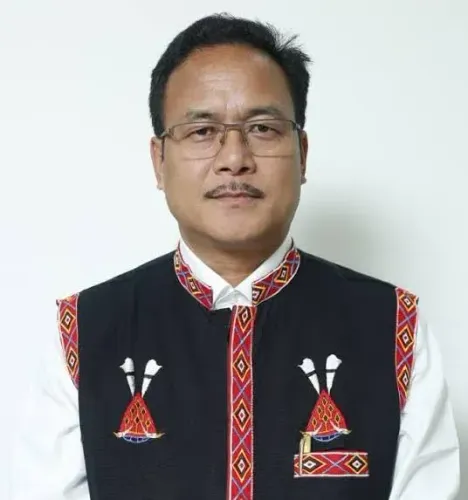
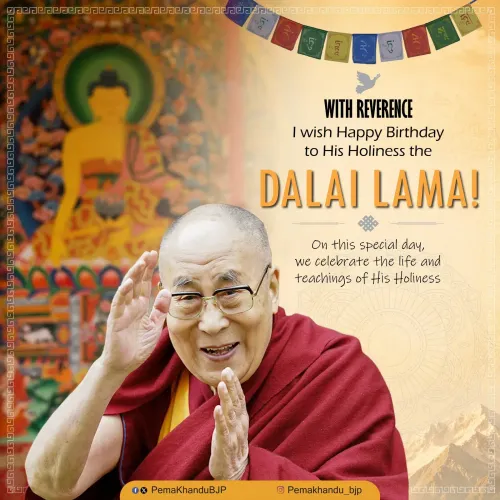
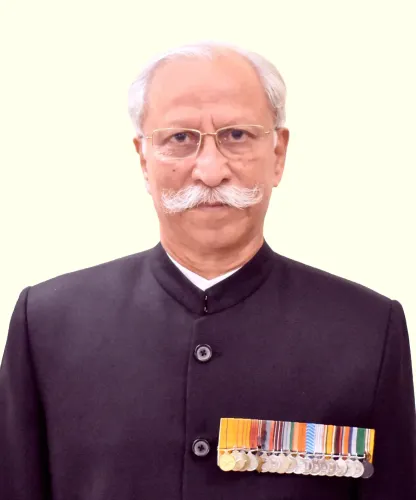
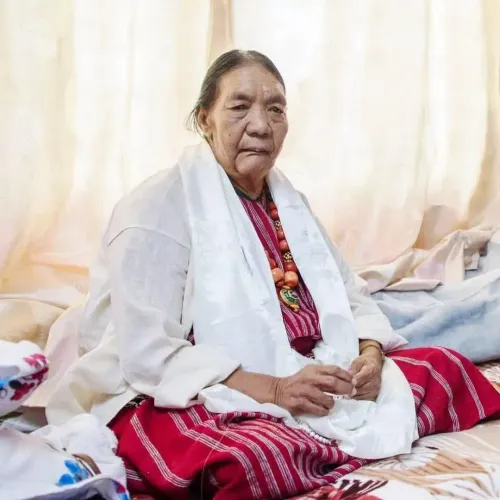
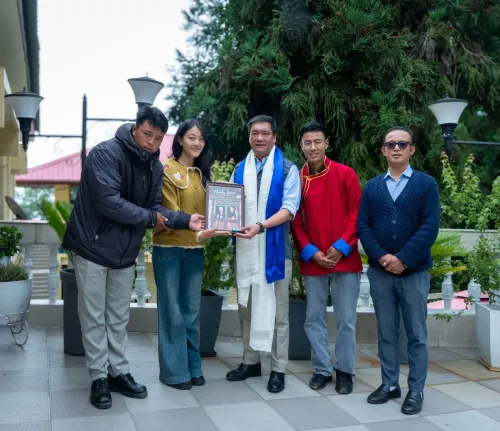
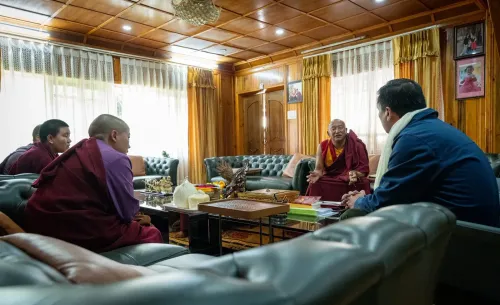
The post was accompanied by four images and shared in English .
Political leaders from Arunachal Pradesh , particularly from Buddhist-majority districts like Tawang and West Kameng , routinely share religious observances publicly.
Arunachal Pradesh Chief Minister Pema Khandu on Friday, 26 June 2026, shared a heartfelt tribute on X, offering prayers in loving memory of a person he referred to as 'Ama Lezang', invoking the Buddhist mantra Om Mani Padme Hum and expressing hope for her blessed rebirth and swift attainment of enlightenment.
Context
In his post, Chief Minister Khandu wrote: 'With profound reverence and gratitude, offer my humble prayers in loving memory of our beloved Ama Lezang. May the merits of today's prayers illuminate her path. May she be blessed with a precious rebirth and swiftly attain enlightenment.' The tribute was accompanied by four images and the Tibetan Buddhist mantra Om Mani Padme Hum, associated with Avalokitesvara, the bodhisattva of compassion.
The term Ama in Tibetan and related dialects broadly means 'mother' or is used as a term of endearment for an elder woman. The identity and background of Ama Lezang could not be independently confirmed from publicly available records.
Policy Backdrop
Political leaders from Arunachal Pradesh routinely share personal religious observances on public platforms, a practice that reflects the state's substantial Buddhist population, particularly in districts such as Tawang and West Kameng. These expressions occur alongside routine governance communications and are consistent with long-standing local traditions of honouring the deceased through prayers.
Public figures in Northeast India have long blended private faith with visible social-media activity, and such posts carry cultural resonance within communities that observe Tibetan Buddhist rites of remembrance and prayer for the departed.
Stakeholders and Impact
The tribute is likely to resonate deeply with Arunachal Pradesh's Buddhist community, for whom prayers invoking Avalokitesvara and wishes for a 'precious rebirth' carry specific spiritual significance rooted in the Tibetan Buddhist tradition of merit transference for the deceased.
Chief Minister Khandu, himself a practising Buddhist, has previously used public platforms to share religious observances, reinforcing his cultural identity alongside his political role. Such posts typically draw engagement from both local constituents and the broader Buddhist diaspora.
What's Next
Local community events or religious gatherings in Arunachal Pradesh may reference this tribute in cultural programming. The Chief Minister's public expression of grief and prayer underscores the continuing role of faith and personal observance in the public life of Northeast India's political leadership, a pattern that is expected to persist as the region's cultural calendar progresses through 2026.
Point of View
A practising Buddhist who represents a state with a significant Tibetan Buddhist population, such posts serve a dual function: they affirm cultural identity and maintain a personal connection with constituents for whom these traditions are central to community life. The tribute carries no direct policy implication but reinforces the soft-power dimension of his leadership — one that draws as much from spiritual and cultural authority as from administrative governance. As Arunachal Pradesh continues to hold strategic and cultural significance, the visibility of its Chief Minister's Buddhist identity remains a consistent thread in his public communication.
NationPress
25 Sept 2026
Frequently Asked Questions
Who is Ama Lezang mentioned by Pema Khandu?
Ama Lezang is the person in whose memory Chief Minister Pema Khandu offered prayers on 26 June 2026 . The term Ama means 'mother' or a respected elder woman in Tibetan and related dialects. Her identity and background could not be confirmed from publicly available records.
What does Om Mani Padme Hum mean?
Om Mani Padme Hum is a revered Tibetan Buddhist mantra associated with Avalokitesvara , the bodhisattva of compassion. It is widely chanted in prayers for the well-being and liberation of the deceased in Buddhist traditions practised across Arunachal Pradesh , Tibet, and the Himalayan region.
Why does Pema Khandu share religious posts on social media?
Chief Minister Pema Khandu is a practising Buddhist and represents Arunachal Pradesh , a state with a significant Buddhist population, especially in districts like Tawang and West Kameng . Sharing religious observances publicly is a long-standing practice among political leaders in the Northeast that reflects local cultural traditions.
What is the significance of praying for rebirth in Buddhism?
In Tibetan Buddhist tradition, prayers for a 'precious rebirth' and enlightenment are offered to transfer merit to the deceased, helping guide their consciousness toward a favourable next life. This practice is central to funerary and memorial rites observed across Buddhist communities in Northeast India and the broader Himalayan region.
What is Pema Khandu's religion?
Pema Khandu , the Chief Minister of Arunachal Pradesh , is a practising Tibetan Buddhist. He has regularly shared Buddhist prayers, mantras, and religious observances on his public social-media platforms alongside his governance communications.